


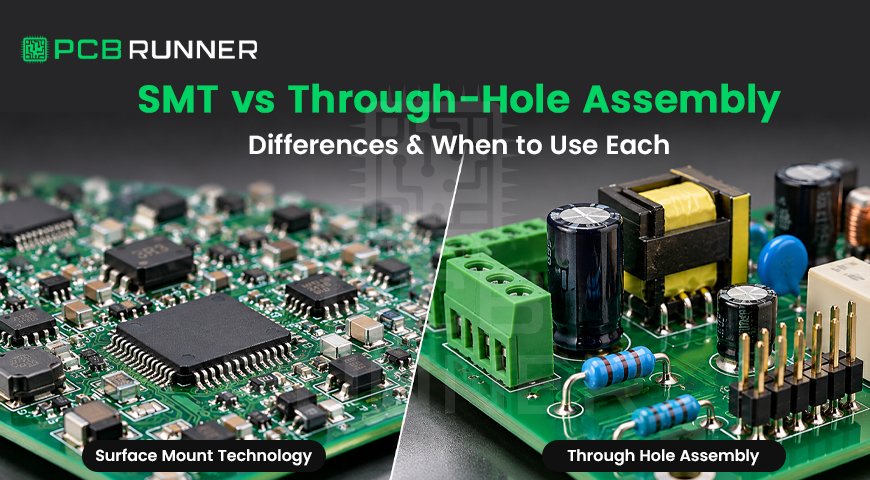
SMT vs Through-Hole Assembly: Differences and When to Use Each
Use SMT for most of your board and keep through-hole for the parts that get pulled, plugged in or run

Use SMT for most of your board and keep through-hole for the parts that get pulled, plugged in or run
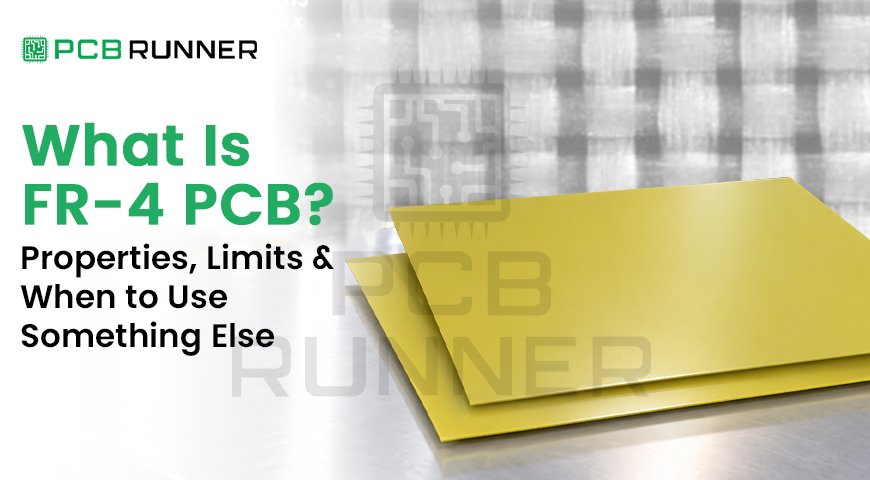
Key Takeaways FR-4 PCB material is a family of flame-retardant glass-epoxy laminates, not one fixed product. Two boards labelled “FR-4”
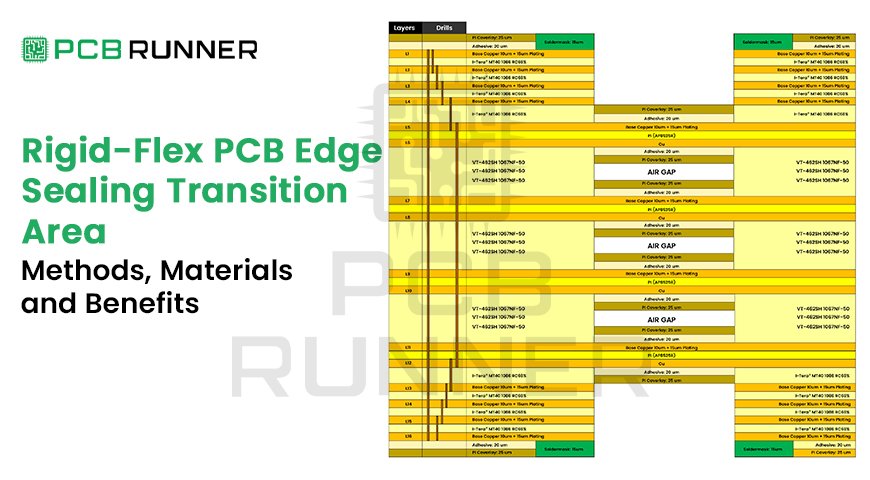
At the rigid-to-flex transition, a flexible sealant or strain-relief fillet may be applied to protect exposed laminate edges and reduce
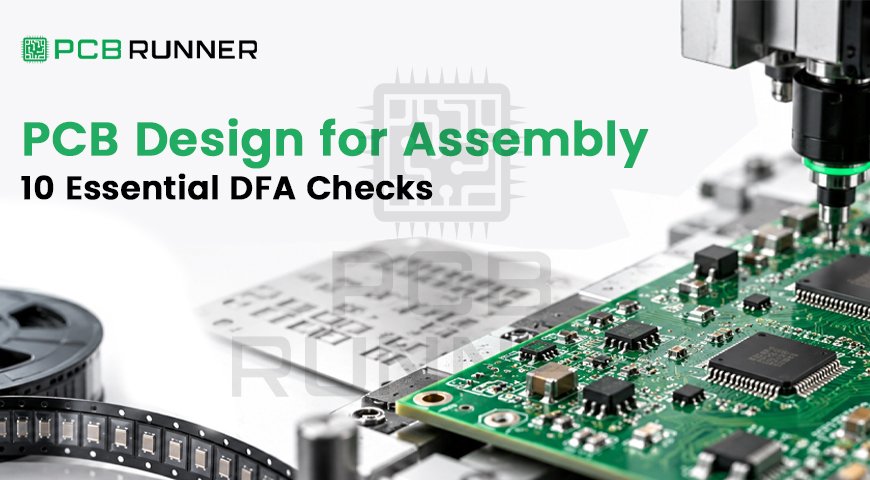
PCB design for assembly means laying out a board so machines can place, solder and inspect every component without defects.

Objective: Give engineers and product teams a clear, technically grounded understanding of rigid-flex construction, when it’s the right call, and

Objective Give engineers and procurement teams a clear, technically grounded understanding of how boards get built and assembled, so they
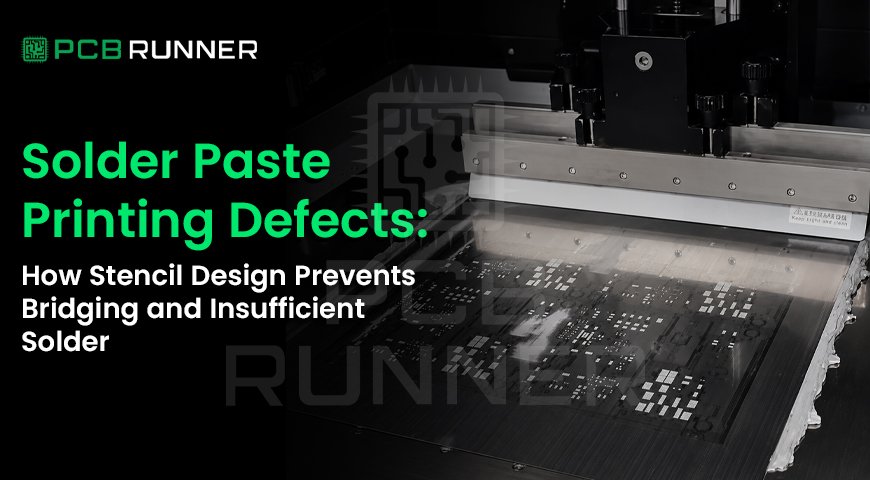
Objective Show process engineers and PCB buyers how stencil aperture design directly causes or prevents the two most common solder
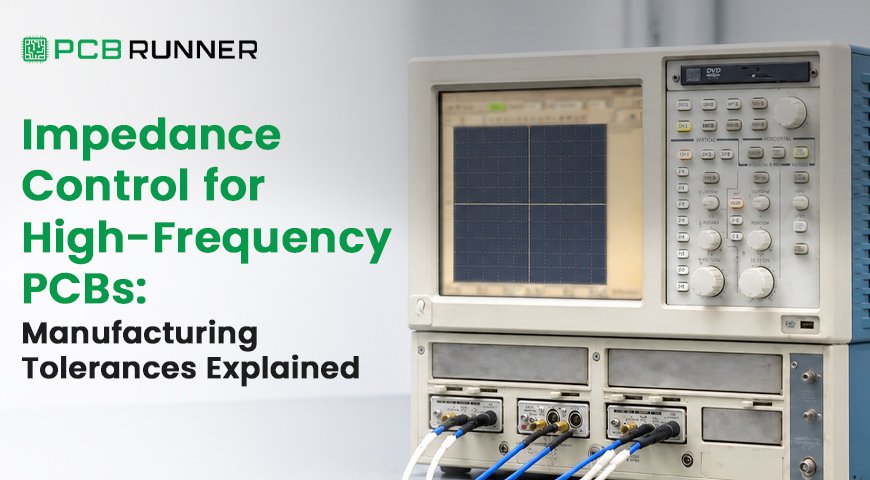
Objective This blog explains what high frequency PCB impedance control actually means, why manufacturing tolerances exist, and how to read

Objective This blog is for engineers and product teams who’ve built a working prototype and are about to scale it

Choose turnkey when you want your assembler to carry sourcing risk. Choose consignment when you need to control exactly which
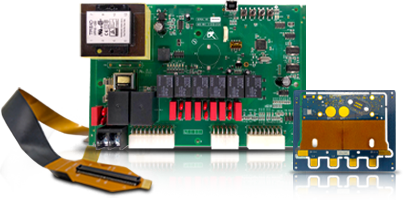
Fill out our comprehensive online PCB & Assembly specification form and receive instant pricing via email.
 +44 203 2397011
 sales@pcbrunner.com
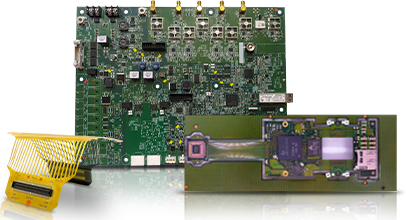
Have any advanced capability PCB design? Upload your files for our review and get a personalized quote from our Sales Engineer Executive via email.
+44 203 2397011sales@pcbrunner.com