CALL US
 EMAIL US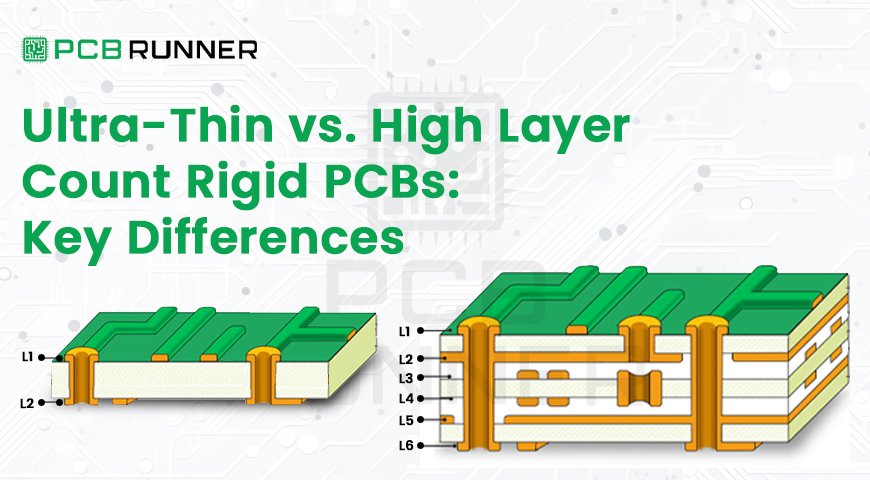
Objective Explain the difference between an ultra-thin rigid PCB and a high-layer-count rigid PCB in plain language. You’ll see what […]
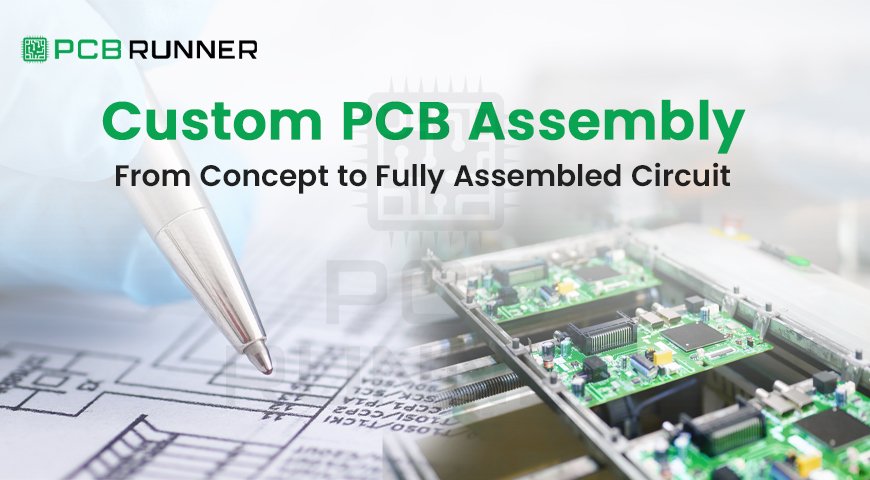
Objective Help you understand Custom PCB Assembly in a clear, step-by-step way-from your first idea to a fully assembled, tested […]
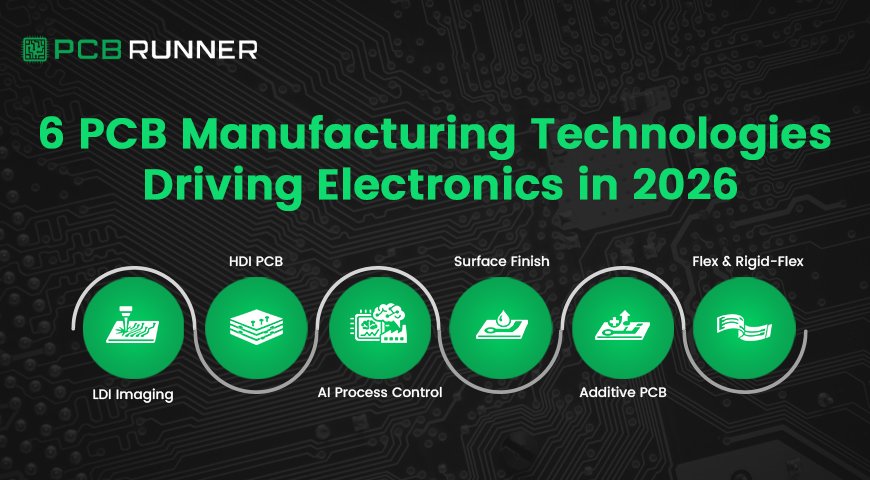
Electronics in 2026 are moving fast. Devices are smaller, chips run hotter, and designs pack more connections into less space. […]
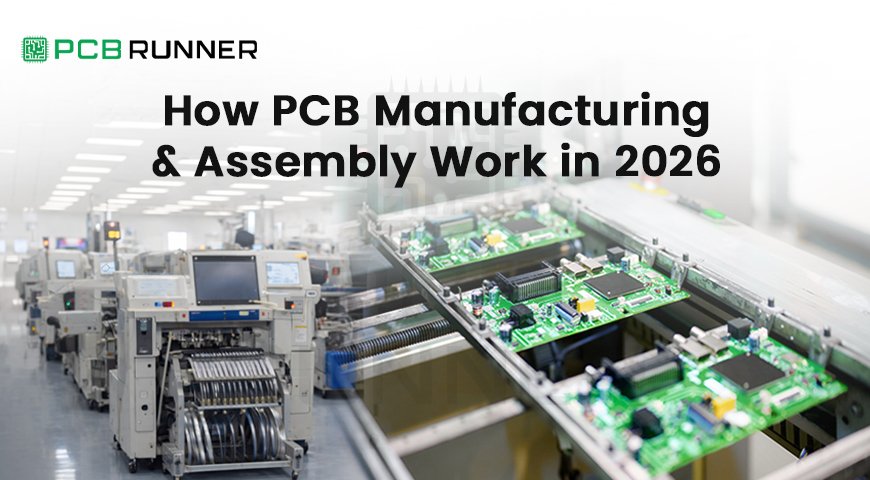
You are not imagining it. PCBs are more complex to build in 2026 than they were a few years ago. […]
It is clear that the electronics sector is growing quickly, and sustainability is becoming an essential factor throughout every stage […]
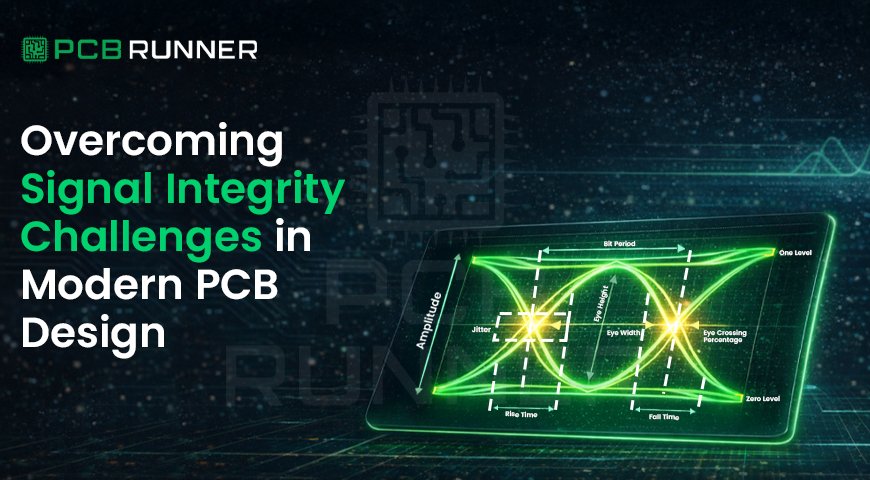
PCB design has evolved significantly over time. What was successful in the past ten or fifteen years is not always […]
When people think about PCB delays, they usually blame parts, layers, or “fab capacity.” But one of the most common […]

When you send your design for PCB fabrication in Europe, there are many hidden steps that make sure your board […]
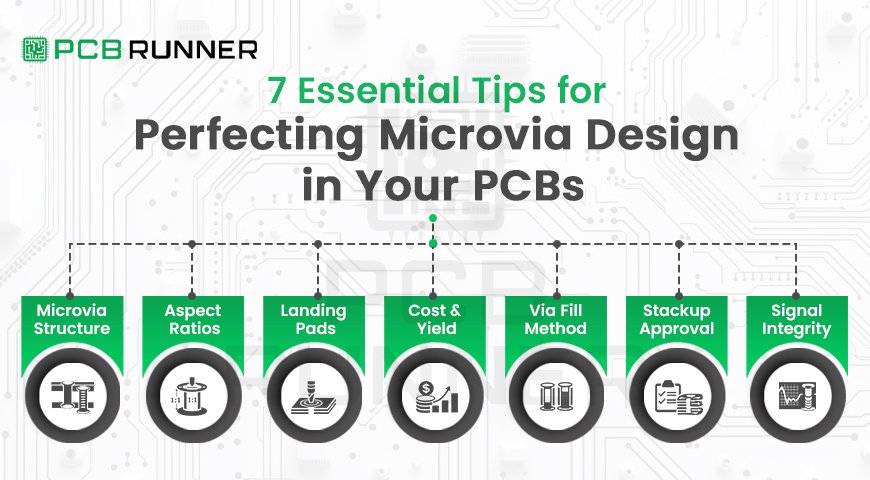
Electronics get smaller every year. Your smartphone, fitness tracker, and car dashboard all pack more tech into less space. This […]