CALL US
 EMAIL US
Objective This blog explains how to choose a Rigid Flex PCB Manufacturer with the right technical capabilities for reliable production. […]
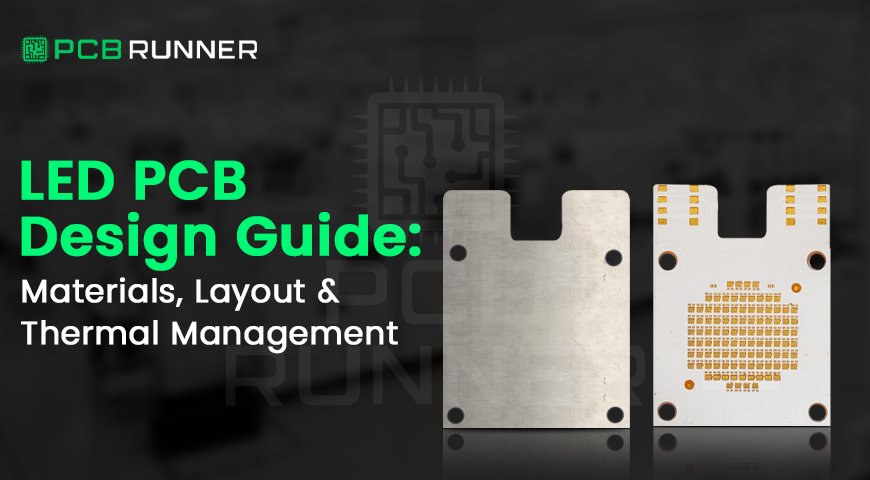
Objective This guide explains the practical side of LED PCB Design products. It covers board materials, layout choices, and heat […]

Objective This guide explains what really affects cost and lead time when choosing a PCBA Turnkey Manufacturing partner. It is […]
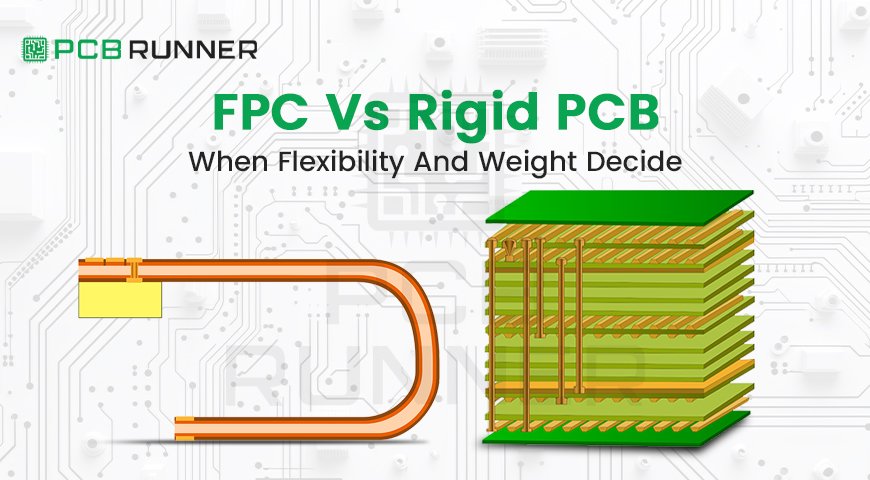
Objective This blog explains how to choose between a Rigid PCB and Flexible PCBs (FPCs) when space, movement, and weight […]
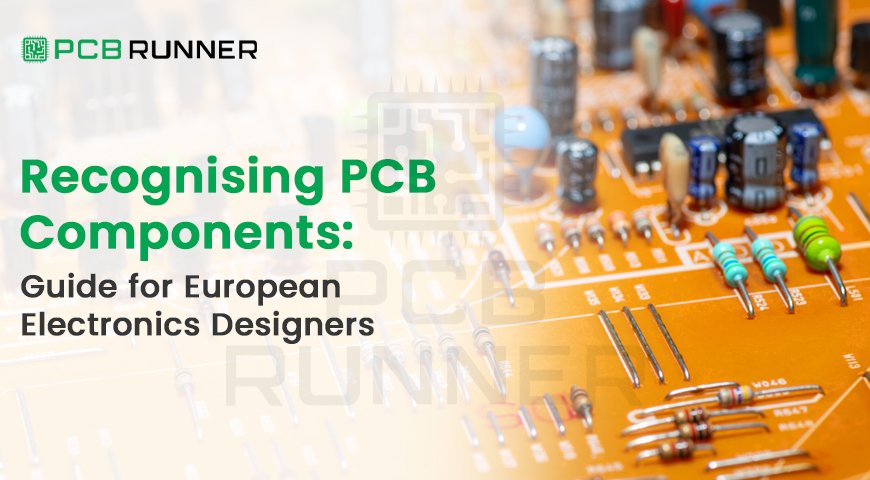
Objective If you design electronics in Europe, you often work with tight timelines, strict compliance requirements, and rapidly changing parts. […]
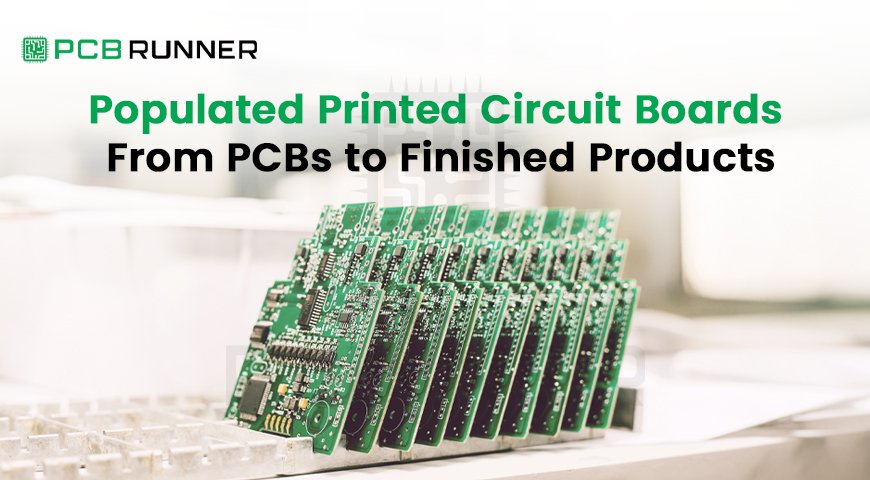
Objective Explain what a populated PCB is, how the PCB assembly process works from start to finish, and how populated […]
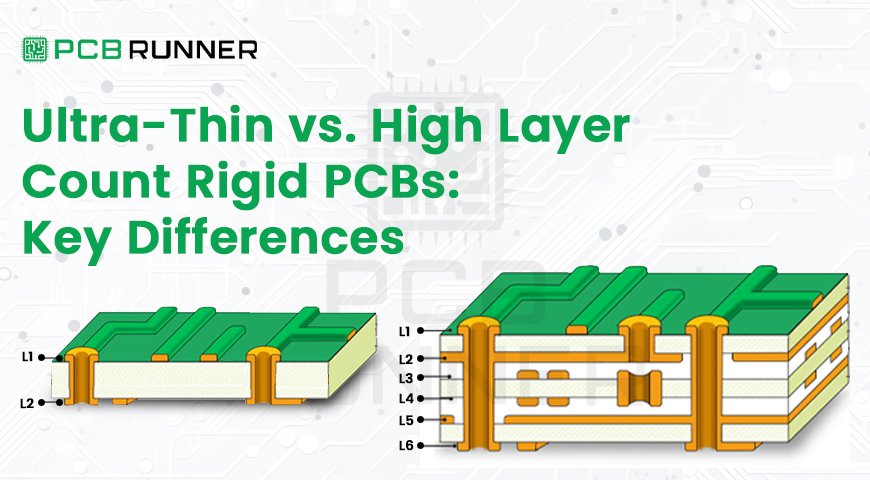
Objective Explain the difference between an ultra-thin rigid PCB and a high-layer-count rigid PCB in plain language. You’ll see what […]
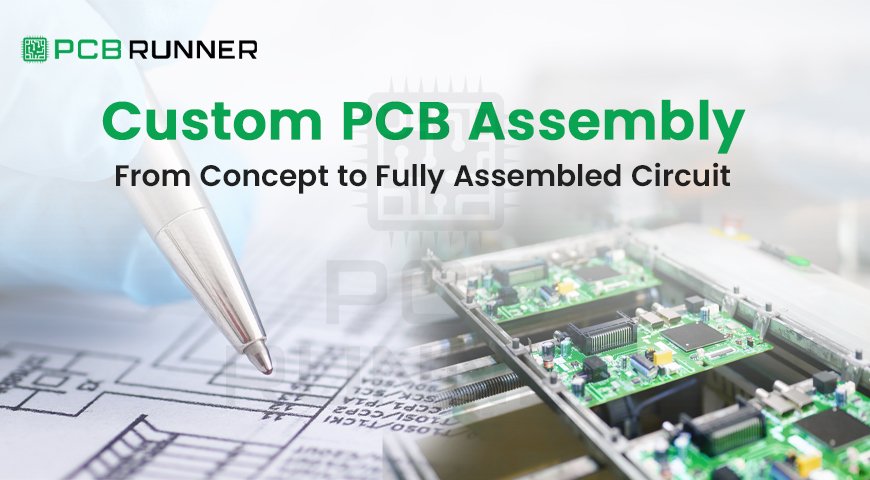
Objective Help you understand Custom PCB Assembly in a clear, step-by-step way-from your first idea to a fully assembled, tested […]
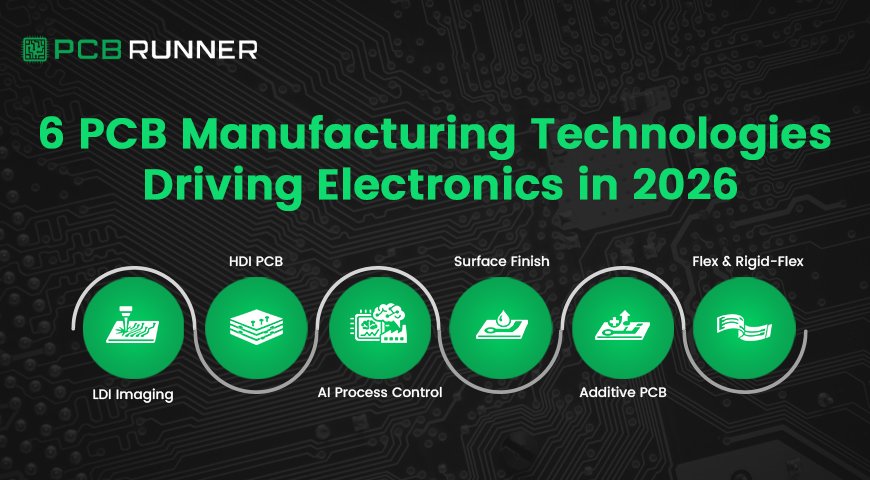
Electronics in 2026 are moving fast. Devices are smaller, chips run hotter, and designs pack more connections into less space. […]