Objective
This blog explains the biggest PCB Design trends shaping electronics manufacturing in 2026. It is written for those who want to understand how modern boards are being designed for smaller products, faster signals, better heat control, cleaner compliance, and smoother production.
At PCB Runner, these changes matter because good PCB Design now affects cost, speed, reliability, and how easily a product moves into professional PCB production.
Key Takeaways
- PCB Design is becoming smaller, denser, and more complex.
- High-speed products need better layout rules, stackups, and cleaner signal paths.
- Designers now work more closely with manufacturing teams from the start.
- Thermal control is a major part of printed circuit board (PCB) design.
- UK and European projects are giving more attention to material choice, compliance, and traceability.
- Rigid-flex, HDI, and simulation tools are helping PCB designers build boards that fit tighter spaces.
- Better design decisions reduce waste, rework, and delays in PCB design service workflows.
Why PCB Design Is Changing Fast
Electronics are doing more in less space. Boards now carry faster data, more power, and tighter part spacing than before. At the same time, manufacturers want fewer errors, faster launch times, and better yield. This is why PCB Design service teams and production teams are working more closely in 2026. HDI routing, rigid-flex layouts, digital twin methods, and material planning are all being used to reduce mistakes before boards reach the factory floor.
Did You Know?
A digital twin for PCB assembly can help find design and manufacturing problems before the build reaches the shop floor.
1. High-Density Interconnect Is Moving Into More Products
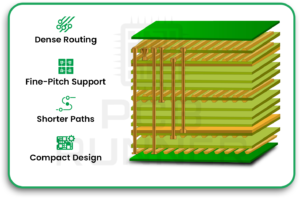
One of the clearest PCB Design trends is the rise of HDI and ultra-HDI. These designs use microvias, thinner traces, and tighter spacing so that more routing can fit into less area. This matters for compact electronics, telecom hardware, advanced computing, and many modern industrial products. Ultra-HDI also helps improve thermal performance and power routing when used correctly.
Why it matters:
- More connections in less space
- Better support for fine-pitch parts
- Shorter paths for high-speed signals
- More room for compact product design
This is one reason many buyers now compare the best PCB design companies and top PCB design companies based on HDI capability, not just price.
2. Rigid-Flex Design Is Growing
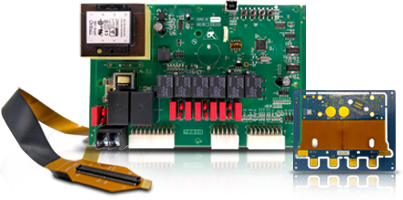
Rigid-flex boards are becoming more common because they save space and reduce connector use. They can bend, fit tight enclosures, and replace bulkier wire links in the right design. They are useful in products where weight, size, and shape matter. Good planning is important because bend areas, layer transitions, and 3D fit all affect reliability.
Did You Know?
Some rigid-flex designs reduce the need for separate wires and connectors, which simplifies assembly.
For teams offering PCB design services for UK projects, this trend matters because many European products now need smaller and neater internal packaging.
3. Signal Integrity Is Now A Core Design Job
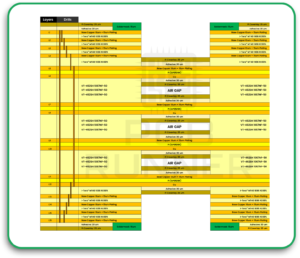
Fast boards cannot rely on simple routing habits anymore. High-speed digital and RF products need careful impedance control, clean return paths, and better stackup planning. Smaller vias and thinner dielectric layers can improve routing density while helping electrical performance. Low-loss materials are also becoming more important for fast data and RF work.
Good practice now includes:
- Controlled impedance routing
- Shorter stubs and cleaner via choices
- Better layer planning
- Early simulation of critical nets
This is a big shift in printed circuit board (PCB) design because layout is no longer just about fitting parts on a board.
4. Thermal Design Starts Earlier
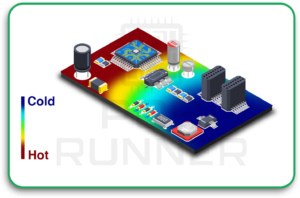
Heat is now a first-stage design issue. Power electronics, EV systems, and dense processors can create serious thermal stress. Designers are using copper-filled vias, better plane design, and improved package choices to move heat away from sensitive areas. In electrified systems, higher-voltage architectures and centralised control also increase the need for better thermal planning.
A simple rule is this: if heat is handled late, redesign costs rise fast.
5. AI And Digital Tools Are Helping Designers Work Faster
AI is starting to support the EDA flow by helping engineers work faster and explore more design options. At the same time, digital thread and digital twin methods are improving collaboration across design and manufacturing. This does not replace skilled pcb designers. It gives them better visibility and faster checks.
At PCB Runner, this matters because faster design review only helps when it also leads to cleaner manufacturing output.
6. Design For Manufacturing Is No Longer Optional
A board may look good in CAD and still fail in production. That is why DFM is now central to PCB Design. Fabricators need realistic tolerances, drill choices, material availability, and stackup decisions from the start. Early planning with the manufacturer is especially important in ultra-HDI work, where tight tolerances leave less room for error.
Watch for these DFM risks:
- Trace and spacing are too tight for the chosen process
- Weak annular rings
- Poor panel use
- Hard-to-assemble part placement
- Material choices that delay sourcing
This is also why companies searching for a PCB design service increasingly ask about DFM review before ordering prototypes.
7. Material Selection Is Getting More Strategic
In 2026, material choice is not just a cost question. It affects signal loss, heat, reliability, and compliance. Low-loss laminates are important for fast digital and RF work. Halogen-free materials are gaining attention in projects that care about environmental goals and safer material profiles. Some newer materials also stay compatible with familiar FR-4 style processing, which helps manufacturers.
Internal planning around pcb material should happen early, especially for UK and European builds with strict documentation needs.
8. Embedded Components Are Saving Space
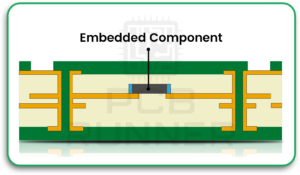
Another strong PCB Design trend is embedding components into the board itself. This can include passive parts and, in some cases, more advanced functions. The goal is simple: save space, shorten paths, and support smaller products. It can also improve electrical performance in the right design, though it adds complexity to fabrication and testing.
Did You Know?
Embedded components can move some parts inside the board layers, which helps free surface space for other functions.
9. Sustainability And Compliance Are Shaping Board Choices
For the UK and Europe, compliance is a real design driver. The EU RoHS rules restrict hazardous substances in electrical and electronic equipment. REACH also places a strong responsibility on industry to manage chemical risks. Europe is also pushing wider product sustainability through its 2025 to 2030 working plan under the Ecodesign framework.
This affects professional PCB production in practical ways:
- Material declarations matter more
- Supply chain records must be clear
- Safer chemistry gets more attention
- Repairability and product life are getting more focus
10. Supply Chain Visibility Matters More Than Ever
Good PCB Design now includes smarter sourcing choices. A design that depends on rare materials, hard-to-get parts, or narrow process windows can slow a project even if the layout is technically sound. Teams are now thinking earlier about PCB suppliers UK, assembly partners, and custom PCB assembly paths so the design can move into production with fewer surprises. That makes the board easier to build, test, and scale.
Conclusion
The biggest lesson for 2026 is simple. PCB Design is no longer only about drawing traces and placing parts. It now connects product size, thermal control, signal quality, compliance, manufacturability, and long-term supply planning. For teams serving the UK and Europe, the most valuable designs are the ones that are smart on screen and practical in production. That is why we at PCB Runner think about design and manufacturing as one connected job from the very start.
FAQs
What Is PCB Design In Simple Words?
PCB Design is the process of planning how electronic parts connect on a board. It includes part placement, routing, layer setup, and rules for manufacturing.
Why Is HDI PCB Design Important In 2026?
HDI helps fit more connections into smaller boards. It supports fine-pitch parts, dense layouts, and many modern electronics that need high performance in less space.
How Does A PCB Design Service Help Manufacturing?
A good PCB design service checks layout quality, stackup choices, DFM rules, thermal needs, and production risks before fabrication begins.
What Materials Are Often Used For High-Speed PCB Design?
High-speed boards often use low-loss materials because they help signal quality. In some cases, halogen-free options are also chosen for compliance or sustainability goals.
Why Are Rigid-Flex Boards Becoming More Popular?
They save space, reduce connectors, and help products fit into compact shapes. They are useful when weight and packaging matter.
What Should Buyers Ask Before Choosing PCB Designers?
Ask about HDI experience, DFM review, material knowledge, signal integrity support, thermal planning, and how the team works with manufacturing.