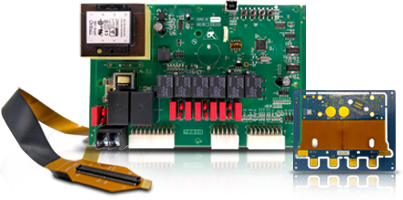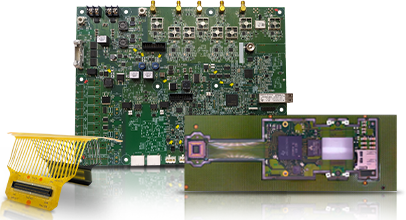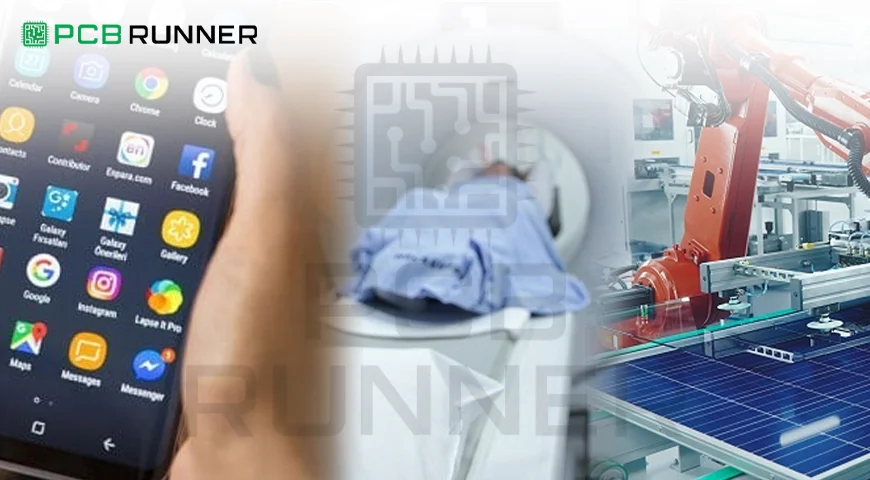
The best way to define circuit boards is in technology systems. They are common in mobile phones, medical devices, and industrial automation systems. As computer devices became more sophisticated, there was an increase in the demand for advanced circuit board assembly, high-quality custom printed boards, and dependable electronic circuit board components. These boards create the framework for modern electronics by integrating and managing the electronic components of the circuit board in an optimum design.
It is essential for anyone who works in the electronics field to understand how a circuit board functions. This goes for engineers, product designers, and manufacturers. In this article, we will define the working principles of modern circuit boards, their fundamental parts, and their impact on today’s rapidly evolving technology world.
In What Ways Do Circuit Boards Function?
A circuit board is fundamentally a layered fabric consisting of insulator and conductor materials that pass electrical signals to different components. Its chief purpose is to mechanically support the components and serve as an electrical hub for different electronic circuit board components to integrate with each other.
A custom printed circuit board contains different layers of copper traces. A nonconductive field like fiberglass helps form the circuit board. These traces help guide the electrical signals between the different components, such as resistors, capacitors, and microprocessors.
The moment a circuit board is turned on, it sends out the required signals to various sections that would power on different components, maintaining the right voltage and signals. This sophisticated electrical distribution ensures the reliability and effectiveness of modern electronic devices.
Electronic Devices
An electronic circuit board is made of many components and integrates different parts together with the aid of a circuit board. These components play a vital role as every part has a unique function to perform within the device.
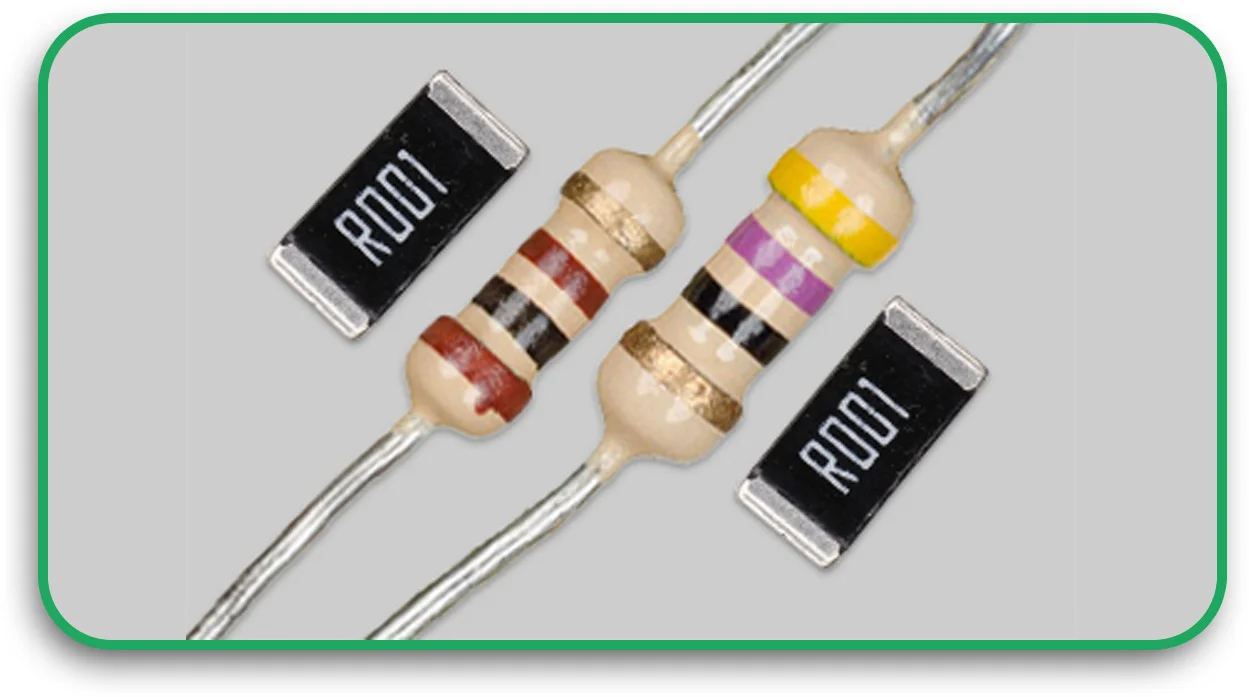
Resistors
As the name suggests, resistors are components that help regulate the electric current across the circuit. They also ensure that no extra current damages sensitive parts and components.
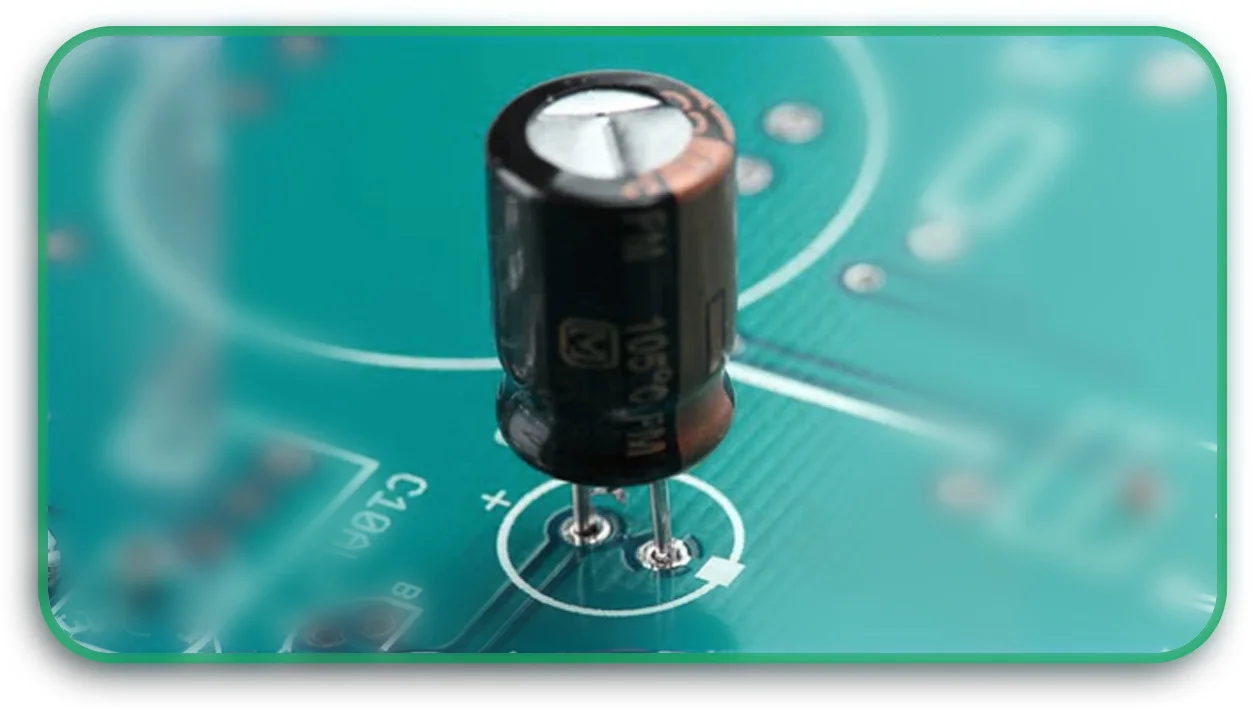
Capacitors
Capacitors play an important role in storing electrical energy. When the device is used, electricity is released when required. They clean the flow of power and eliminate voltage spikes, further assuring smooth operations on the circuit.
Diodes
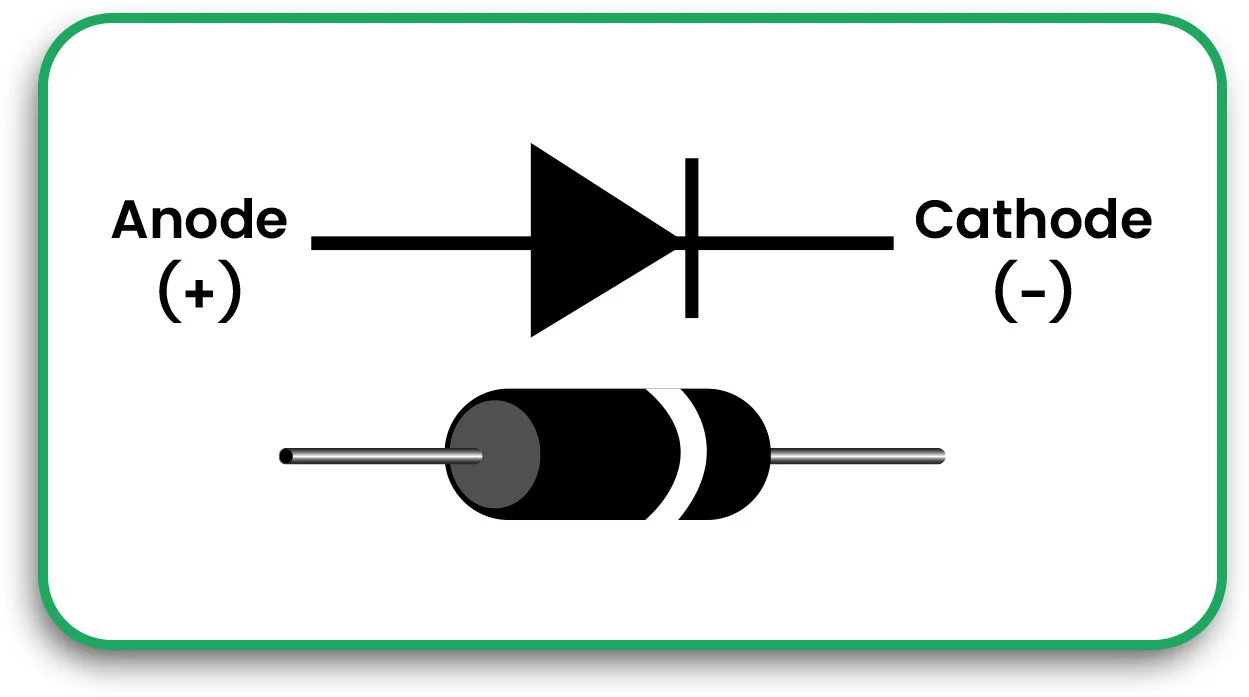
Diodes control the direction of the electric current. In typical operation, a diode protects against power reversal from damaging components. This makes diodes widely used in signal processing and regulatory components.
Integrated Circuits (ICs)
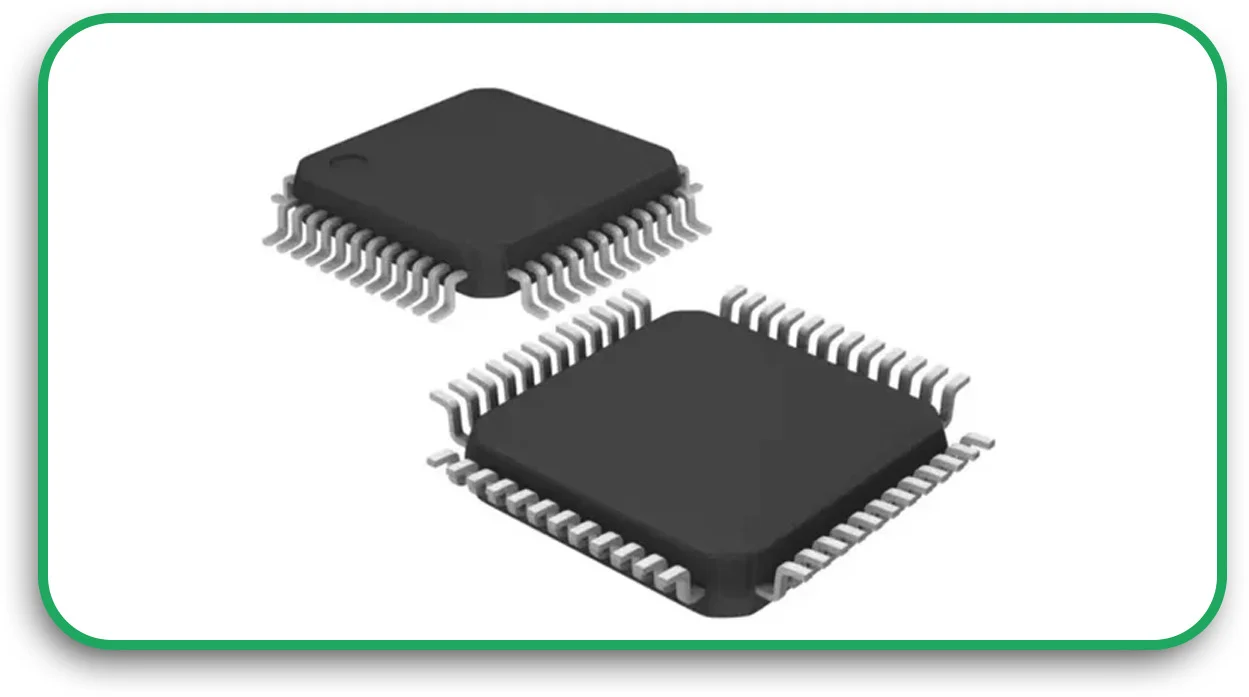
ICs are complex electronic circuits contained in a small semiconductor chip. They allow complex signal processing and computing. Integrated Circuits are used in virtually every electronic device, from microcontrollers in appliances to processors in computers.
Transistors
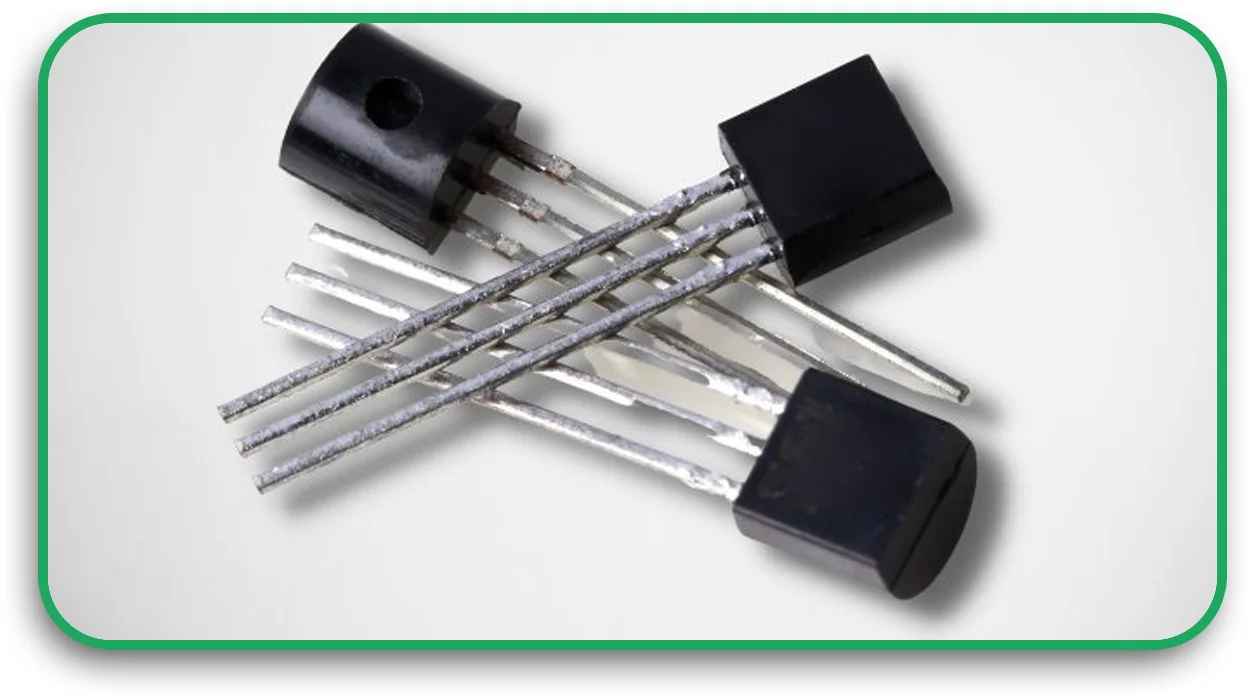
Transistors function as amplifiers or switches within a circuit, regulating electrical flow. They also play a critical role in contemporary computing and communication systems.
The Process of Circuit Board Assembly
Developing and manufacturing a high-performance circuit board involves several challenging steps, from initial design and fabrication to assembly and testing. Each stage plays an important role in producing a reliable final product. The assembly of the board begins with the design of the board, fabricating, and testing it for any problems that may arise.
1. PCB Design
Any printed circuit board is custom-made. The first step involves designing the trace routes, components, layers, and so on using software specially developed for the task. As with most design processes, power distribution and signal strength are crucial.
2. Manufacturing and Fabrication
Once the engineering work is complete, manufacturers begin the physical board production process, which involves several important manufacturing steps. The board is first etched with insulation, then coated with copper, followed by drilling holes that act as electrical junctions to protect the board barrels from environmental damage or oxidation. The last step is to cover the board with a receiving solder mask.
3. Component Positioning, as well as Soldering
The next step is placing the electronic components on the fabric circuit board. It can be done through the following methods:
Surface Mount Technology (SMT) – This method incorporates the SMD mounting directly on the board’s surface.
Through-hole technology (THT): Components are inserted in holes drilled prior, and they are soldered for better connection.
4. Post Production Analysis and Quality Checks
Rene testing refers to methods of checking circuit board functionality pre-deployment. Common testing techniques are:
- Automated Optical Inspection (AOI) scans for errors related to components being placed or soldered on the circuit board.
- X-Ray Inspections: Used to uncover internal defects on a multi-layered board.
- Functional Testing: This is when the device is put under real-life operating scenarios for performance testing.
Purposes Of A Circuit Board In A Consumer Market
Circuit boards cross and link multiple fields and domains which significantly enables advancements in technology.
Consumer Electronics
Smartphones, graphic cards, gaming consoles, and other modern devices are manufactured through circuit board assembly. These devices also need high speed, compact power management, and efficient systems.
Industrial Automation
Automation control systems, robotics, and power management solutions in factories and industrial environments require the manufacture of industrial PCBs. These circuit boards have to be tough enough to withstand harsh temperatures, shaking, and electrical disruption.
Medical Equipment
Diagnostic tools, pacemakers, and MRI machines need reliable and precise custom printed circuit boards (PCBs). These PCBs are crucial in the healthcare sector as they need to meet rigid safety and quality measures for patient safety.
Automotive Electronics
ADAS and electric vehicles have made the use of high-performance circuit board electronic components widespread in automotive applications. Modern vehicles utilize circuit boards to manage engine control, infotainment, and safety systems.
Aerospace and Defense
Military and aerospace applications rely on circuit boards that can withstand harsh environmental conditions. Manufacturers design these PCBs with specialized laminate coatings that resist radiation, vibration, and moisture, allowing the boards to withstand extreme conditions.
Future Trends in Circuit Board Technology
Innovations in other parts of the electronics sector are spurred by improvements in circuit board technology and are thus ever-growing.
Flexible and Wearable Circuit Boards
Today, manufacturers can produce PCBs for portable equipment, medical implants, and wearable technology. Flexible PCBs maintain their performance even when designers bend or reshape them.
AI Enhanced PCB Designing
AI is transforming PCB design tools by streamlining complex processes, saving time, and improving precision. These software solutions can predict potential issues and optimize the integration of electronic components, helping circuits operate more efficiently.
Eco-Friendly PCB Production
As the challenge of e-waste continues to persist, those in the manufacturing industry have started to implement the following environmentally sound practices:
- Soldering without the use of lead
- Recycling materials from circuit boards
- Manufacturing substrates for PCBs out of compostable materials.
Expert Insights
The research was conducted through a secondary data review by peer-reviewed journals, technical papers, and industry reports. The research has reached conclusions that complex simulation methods like power integrity, signal integrity, thermal and SPICE simulation, Middle design accuracy, and speed up the prototype development process. Specifically, these methods improve performance for high-density complicated designs and high-frequency applications and enable rapid design flaw detection. Trends like AI, ML devices, wearable technology, 3D printing, and even new materials like graphene are about to change PCB design entirely. Electronics companies can gain innovation and a competitive advantage by investing in and using sophisticated simulation methods. As electronics become more complex, designers will need these tools to meet stricter requirements for performance, reliability, and efficiency. This shift is also raising the standards for modern PCB design.
Conclusion
Each PCB manufacturing service ensures quality performance, reliability, and efficiency for a variety of industries and sectors, such as consumer electronics, industrial automation, aerospace, and even healthcare. Printed circuit boards are at the heart of modern technological innovations, making the design and assembly of custom printed circuit boards more important than ever.
Get tailored industrial PCB manufacturing solutions right here at PCB Runners. We pride ourselves on meeting our clients’ needs and offering expert assistance in enhancing the electronic designs of your next project. Contact us now!
FAQs
What is the role of a circuit board in electronic devices?
The role of a circuit board in electronic devices is to serve as a base that provides electrical connections between the various circuit board electronic components as well as providing power to them.
Why is PCB design software important?
Standard industry PCB design software is essential for creating optimized layouts, which increases performance and lowers the chances of manufacturing errors.
What industries rely on circuit boards the most?
Industries such as consumer electronics, healthcare, automotive, aerospace, and industrial automation use high-quality circuit boards in their products.
What are the differences between SMT and THT assembly techniques?
Surface Mount Technology (SMT) involves affixing components directly to the board, while Through-Hole Technology (THT) involves mounting components into the drilled holes for secure connections.