Objective
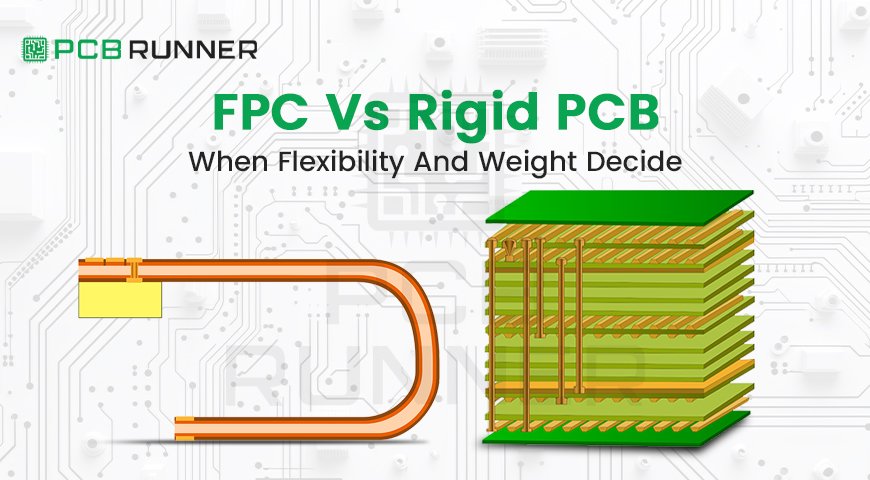
This blog explains how to choose between a Rigid PCB and Flexible PCBs (FPCs) when space, movement, and weight matter. It is written for readers who want a simple, technically correct guide without heavy jargon. The goal is to show where each board type works best, what trade-offs matter most, and when a rigid flex PCB can make more sense than choosing only one format. At PCB runner, this decision usually starts with one question: Does the product need strength, movement, or both?
Key Takeaways
- A Rigid PCB keeps its shape and is usually easier to handle, support, and assemble in many standard products. IPC’s flex and rigid-flex design materials clearly separate rigid and flexible design needs.
- Flexible Printed Circuits are useful when a product needs bending, folding, lower weight, or less space for wiring. IPC describes flexible circuits as a distinct printed board type used where bendability matters.
- Flexible PCBs (FPCs) can reduce connector count and help fit electronics into tight shapes, but they need careful design around bending areas and materials. IPC and Altium both note that flex designs have different rules than rigid boards.
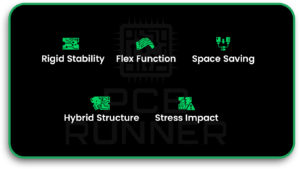
- A rigid flex PCB combines rigid areas and flex areas in one structure and is often used where compact packaging matters, such as in medical and wearable products.
- Weight, movement, assembly style, and long-term mechanical stress are often more important than raw board cost when choosing between FPC and Rigid PCB options. This is an engineering conclusion supported by the design differences highlighted in IPC and Autodesk resources.
What A Rigid PCB Does Best
A Rigid PCB is the standard board most people picture first. It is stiff, keeps its shape, and supports components well. That makes it a strong choice for many products that do not need bending or folding.
A rigid board usually works well when you need:
- a stable base for parts
- easy mounting inside an enclosure
- lower design complexity
- standard assembly flow
- good support for connectors and heavier components
This is why Rigid PCBs are still common in consumer electronics, industrial controls, power products, and many standard devices. IPC’s materials on flex and rigid-flex design make it clear that rigid and flex boards are designed very differently because their mechanical behaviour is different.
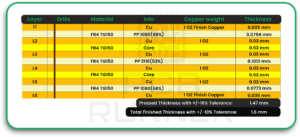
In plain terms, if the product does not need to bend, a Rigid PCB is often the simpler answer.
What Flexible Printed Circuits Do Better
Flexible Printed Circuits solve a different problem. They are not mainly about stiffness. They are about movement, shape, and weight.
A flex circuit can be bent, folded, or routed through a tight space where a rigid board would not fit easily. IPC notes that flexible printed boards include constructions designed for bending and special use conditions.
This makes Flexible PCBs (FPCs) useful in products like:
- cameras
- printers
- medical devices
- wearable products
- folding or hinged electronics
- compact consumer devices
A flex board can also reduce the need for separate wire harnesses or board-to-board connectors. Altium’s flex cable discussion explains that custom flex interconnects can function much like a harness while fitting complex shapes more easily.
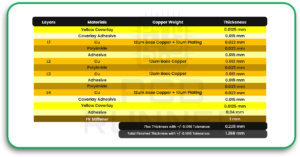
That is a big reason designers consider FPC and Rigid PCB options side by side. The board is not only carrying signals. It is also helping solve a packaging problem.
FPC vs Rigid PCB: Look at the Difference
| Feature | FPC (Flexible Printed Circuit) | Rigid PCB (Rigid Printed Circuit Board) |
| Structure | Made from flexible materials like polyimide that allow the board to bend and fold. | Built from rigid substrates such as fiberglass (FR4) that cannot bend. |
| Flexibility | Highly flexible and can twist, fold, or curve to fit compact spaces. | Completely rigid and maintains a fixed shape. |
| Weight | Very lightweight due to thin substrate materials and compact design. | Heavier compared to FPC because of thicker board layers. |
| Space Efficiency | Excellent for compact devices where space is limited. | Requires more installation space and structured layout. |
| Durability Under Movement | Designed to withstand repeated bending and vibration. | Can crack or fail if exposed to constant mechanical movement. |
| Installation Complexity | Often reduces wiring and connectors, simplifying assembly. | Usually requires additional connectors, cables, or wiring. |
| Heat Dissipation | Good thermal performance due to thin flexible layers. | Heat management depends on board thickness and copper layers. |
| Cost | Higher initial manufacturing cost due to specialized materials and processes. | Generally more cost-effective for standard electronic products. |
| Typical Applications | Wearables, smartphones, cameras, medical devices, aerospace electronics. | Desktop computers, industrial equipment, televisions, power electronics. |
| Design Freedom | Allows 3D design possibilities and complex folding layouts. | Mostly limited to flat, two-dimensional board designs. |
When Weight Really Starts To Matter
Weight can be a small issue in one product and a major issue in another. In larger industrial products, a few grams may not matter much. In wearables, handheld devices, drones, compact medical tools, and moving assemblies, weight matters more.
This is where Flexible Printed Circuits often gain attention. A flex circuit can replace some connectors, cable assemblies, and extra hardware. That can cut both size and weight. IPC’s flex design program and related flex papers support the idea that flex is often used where packaging and integration are important.
A Rigid PCB may still be the better choice if the product needs more structural support. But when a design becomes small, portable, or movement-based, flex starts to look more practical.
When Movement Decides The Answer
Movement is one of the clearest dividing lines between FPC and Rigid PCB choices.
A Rigid PCB is made to stay fixed. A flex circuit is made to handle bending in a controlled way. That does not mean a flex circuit can be bent carelessly forever. It means the design can include bend areas where movement is expected.
This matters in products with:
- hinged sections
- foldable layouts
- moving print heads
- compact enclosures with layered electronics
- Repeated motion during normal use
Altium’s article on common flex design mistakes points out that flex materials and coverlay choices affect how well the circuit handles bending. It also warns that some materials that seem flexible are still not as suitable for repeated flexing as true flex materials.
So the real question is not “Can it bend once?” The real question is “Does it need to survive bending in actual use?”
Where A Rigid Flex PCB Fits In
Sometimes the answer is not only rigid or only flexible. Sometimes the best answer is a rigid flex pcb.
A rigid flex pcb combines rigid areas for components with flex areas for folding or connection. Autodesk notes that rigid-flex boards are commonly used in medical devices and wearable technology and combine rigid and flexible sections.
This type of board helps when a product needs:
- strong mounting areas
- compact folding assembly
- fewer connectors
- less wiring between board sections
- better use of internal space
That is why a rigid flex PCB is often chosen when the mechanical layout is tight and a simple flat board no longer fits the product well.
At PCB runner, this is usually the point where the discussion changes from board type alone to full product packaging.
Did You Know Fact
Rigid-flex designs are often used when the circuit also has a mechanical job to do, such as folding between product sections or replacing separate interconnect parts.
The Trade-Offs Buyers And Designers Should Watch
Every board type brings trade-offs.
A Rigid PCB usually offers:
- easier handling
- simpler assembly
- stronger support for larger parts
- lower design complexity
Flexible PCBs (FPCs) usually offer:
- lower weight
- better fit in tight spaces
- fewer separate interconnect parts
- bending and folding ability
But flex designs also need more care. IPC and Autodesk both show that flex and rigid-flex boards need different stack-up thinking, bend planning, and construction balance.
That means the best choice depends on how the product is used, not just on what seems more advanced.
How To Make The Right Choice
Use a Rigid PCB when the product needs structure, fixed mounting, and straightforward manufacturing.
Use Flexible Printed Circuits when the product must bend, save weight, or fit into a tight shape.
Use a rigid flex pcb when the product needs both stable component zones and flexible connection zones in one compact design.
This is the simplest way to think about FPC and Rigid PCB decisions: choose the board that matches the real shape and movement of the product.
FAQs
What Is The Main Difference Between FPC And Rigid PCB?
A Rigid PCB keeps its shape, while Flexible PCBs (FPCs) are built to bend or fold in controlled ways.
Are Flexible Printed Circuits Better Than Rigid PCBs?
Not always. Flexible Printed Circuits are better when weight, space, or movement matter. A Rigid PCB is often better when strength and simpler assembly matter more.
When Should I Use A Rigid Flex PCB?
Use a rigid flex pcb when your design needs rigid component areas plus flex sections for folding or compact interconnection.
Do Flexible PCBs Save Space?
Yes. Flexible PCBs (FPCs) can reduce the need for separate cables and connectors and help fit electronics into tighter spaces.
Is A Rigid PCB Usually Easier To Manufacture?
In many standard products, yes. A Rigid PCB is usually simpler to handle and support than a flex design, which needs more mechanical planning. This is a practical conclusion based on the design differences described by IPC and Autodesk.
Conclusion
Choosing between a Rigid PCB and flex is really about the product, not the trend. If the board needs to stay fixed and support parts well, rigid is usually the right answer. If the product must bend, fold, save space, or cut weight, flex becomes more useful. And if both needs exist together, a rigid flex PCB may be the best fit. PCB runner shows that the smartest board choice is usually the one that matches real movement, real space limits, and real product use.