Rigid PCBs vs Flexible Circuits

Rigid PCBs vs Flexible Circuits: A Guide to Making the Right Choice

In the world of PCBs, we frequently encounter two distinct types: rigid PCBs and flexible circuits. While both serve the purpose of interconnecting electronic components and facilitating device functionality, each type has unique characteristics and applications. If you are unsure which type best matches your requirements, this article aims to provide you with the necessary knowledge to make an informed decision.  
What Is a Printed Circuit Board (PCB)?  

A PCB is a flat board with electronic components mounted on it and connected with wires through which electricity flows. It is responsible for controlling all primary functions of the device and, hence, the components are required to communicate effectively. The efficient and effective functioning of electronic components is directly contingent on the quality of the PCB.  

The classification of PCBs is quite expansive; however, we can narrow it down into two categories: Rigid PCBs and flexible circuits.

Rigid PCBs:

The Infidelities And Errant Behaviours Offered By The Sturdy And Monolithic PCBs  

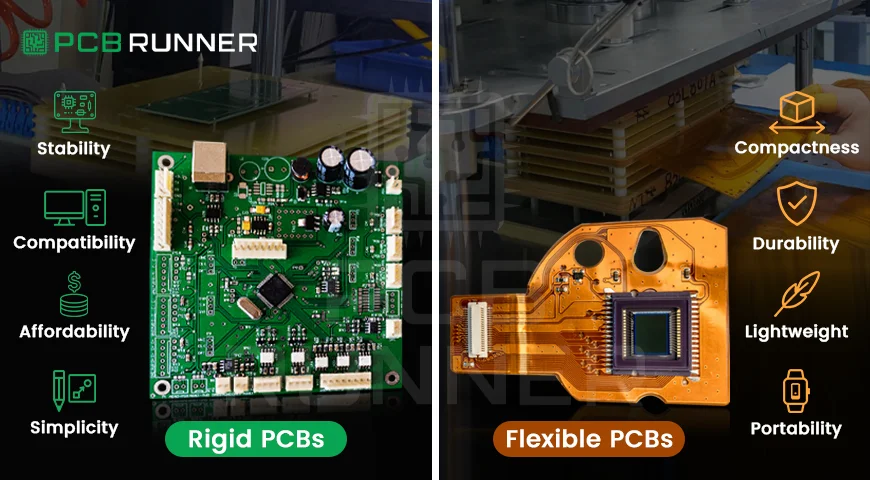
Rigid PCBs have the properties of solid materials such as fibreglass. They cannot be bent or twisted without breaking the internal connections and the board itself. 

rigid

Benefits of rigid PCBs:  

  • Serves as a solid and stable support structure for components and peripherals.  
  • Suitable for medium to large-sized devices and equipment that are relatively more robust.  
  • Cost-effective for bulk production.  
  • Simplified design processes for non-flexing or non-folding boards.  

Rigid PCBs are commonly installed in modern televisions and desktop computers as well as other stationary electronic devices. 

Benefits of rigid PCBs (1)

Flexible Circuits: The Sturdy And Monolithic PCBs  

Known as flex circuits, flexible PCBs are the most different. They can be twisted and bent due to the special type of plastic they are made from. Imagine a tiny, flat ribbon that can fold without breaking.  

Why flexible circuits matter:  

  • Essential for tight, confined spaces.  
  • Less burden and weight than rigid boards.  
  • Great ability to absorb shocks and vibrations.  
  • Optimal for wearable technology and carried gadgets such as smartwatches and smartphones.  
  • If your device needs to move or if space is constrained, flex circuits are most likely the best solution.

Here is what some designers do when they want more than one option: they use rigid-flex PCBs. These boards feature rigid sections for mounting the components and flexible areas for interconnection.

This mixture is beneficial for:

  • Situations when a device is supposed to be rigid in some areas but flexible in others.
  • Weight and space optimisation.
  • Situations where super reliability is needed, such as in aircraft, medical devices, and high-end smartphones.

Flexible Circuits_ The Sturdy And Monolithic PCBs_

What Should Guide Your Choice?

Let us now focus on how to make a decision. You want to ensure the PCB you select is tailored to your device’s requirements to avoid unnecessary expenditures or frustration.

Choose a rigid PCB when:

  • The device is not required to move or bend.
  • The user is designing a larger piece of equipment.
  • Cost will probably be the most crucial factor if you are looking to manufacture in bulk.
  • You prefer simple manufacturing.
  • Choose a flexible circuit if:
  • You are making a small wearable gadget.
  • You are trying to minimise weight.
  • Your device is prone to movement or impacts.
  • You intend to position electronics in tight or irregular spaces.

Choose a rigid-flex PCB if:

  • You intend to have significant structural support while maintaining some give.
  • Your project requires high durability.
  • You want a compact design without sacrificing reliability.

What About EMC in PCBs?

Electromagnetic compatibility may be a big question for you. Here is why it is essential: any gadget will have issues if it interacts with other systems due to unwanted electrical noise or if it is the one getting interfered with.

Make sure that with the PCB prototype order or the custom printed circuit board order that the EMC design is done correctly. It will not interfere with radios, phones or any other device in the vicinity. After construction, it is best to have the board undergo electromagnetic compatibility testing. This ensures that the board is built according to specs and functions correctly.

EMC concerns are applicable to both flexible and rigid boards. There are processes for testing how your PCB handles signals and interference. You might come across it as EMC PCB testing or use electromagnetic compatibility testing equipment.  

Testing Circuit Boards: Don’t Skip It  

Before a design is released, a board is tested for a range of factors, and it is not limited to EMC alone. Your PCB must also pass electrical and mechanical tests. These tests evaluate the integrity of the circuitry, ensure it can endure physical handling, and determine whether it is resistant to heat and vibration.  

Comprehensive testing during these stages mitigates frustration when the device is customer-facing.  

Tips to Remember for Your PCB Order  

  • When describing the needs of your device, ensure that you are precise when ordering a printed circuit board for customisation.  
  • Inquire about tests for electromagnetic compatibility and how they align with your predetermined specifications.  
  • Predict changes to the design. For changes that expect movement later, consider flexible or rigid-flex PCBs.  
  • Cost is essential, but prioritising quality and reliability is crucial.  
  • For beginners, a PCB prototype is the best starting point.  

Wrap Up: What Would Be Your Best Choice of PCB?  

As discussed, consider the needs of your gadget and not just the most popular or the least expensive option when you are selecting the type of PCB. For larger, sturdier devices, rigid PCBs are advisable. For smaller, more delicate devices, flexibles are preferable. For users who need both, rigid-flex permittivity is an ideal option.  

Bear in mind that the design of custom printed circuit boards should be done strategically with EMC in mind. Testing designs helps avoid unexpected issues. For those looking to test or prototype their designs, PCB Runner is a good option.  

Would you like to understand more about PCBs and their functioning? For accessible and reliable information, visit PCB Runner.

Knowledge of PCB options gives you leverage over your project. From the very beginning, whether you are starting with a basic PCB prototype or are prepared for large-scale production, having the correct type of board will be very beneficial. Reach out to PCB Runner for bespoke advice catered to your design. Every project needs a strong foundation, and the only way to achieve this is by having the correct PCB from the very beginning.

FAQs

Q1: What distinguishes a rigid PCB from a flexible circuit?
The bending feature is the key difference between Rigid PCBs and Flexible Circuits. Rigid PCBs cannot bend, while flexible circuits are designed to bend, fold, and twist.
Q2: Are flexible circuits always more expensive?
As is often the case for flexible circuits, they tend to be more expensive due to the specific construction processes and specialised materials they employ.
Q3: Can rigid PCBs be used in small gadgets?
They can, although there are limitations to areas that require bending, as they may not be able to fit into those regions.
Q4: Why is EMC testing necessary?
To prevent your PCB from electrically radiating noise or receiving radiation from outside sources, it is pertinent that EMC testing be performed.
Q5: Which Industries utilise rigid flex PCBs?
They are used in Aerospace, Military, Medical devices, and high-end consumer electronics.

Rigid-Flex PCB

Rigid-Flex PCBs: Best Materials and Manufacturing Methods

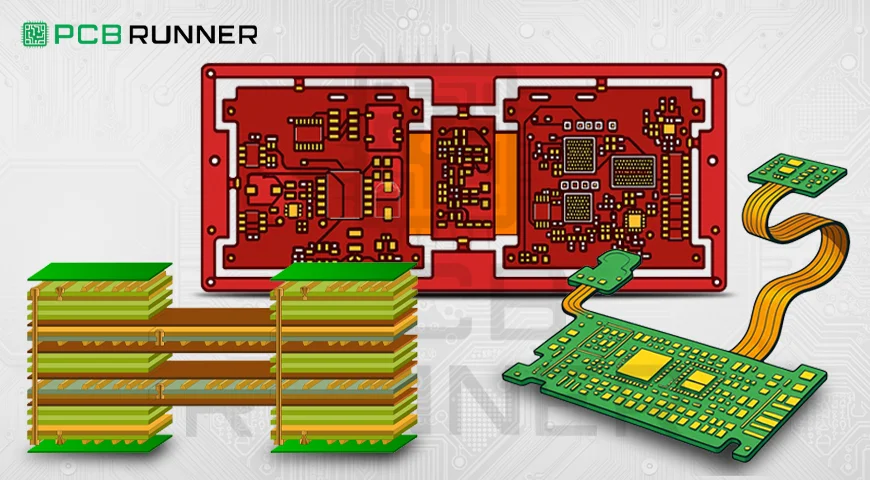
Rigid-flex PCBs are changing how we design electronic devices. By combining flexible and rigid sections, they allow for compact, durable, and reliable products. If you’re working on a project that requires space-saving and robust circuit boards, understanding the materials and manufacturing processes is crucial.
Understanding Rigid-Flex PCBs

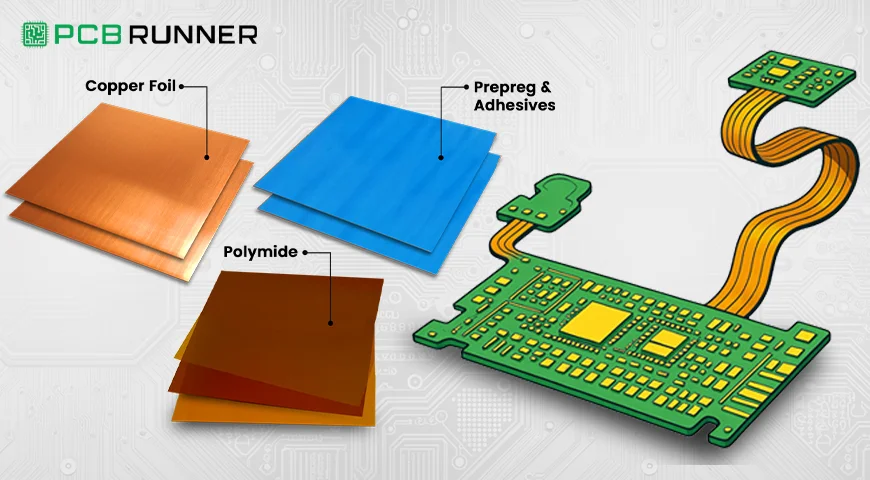
A rigid-flex PCB integrates both rigid and flexible substrates into a single board. The rigid parts provide structural support and house components, while the flexible sections connect different rigid parts, allowing the board to bend and fit into tight spaces. This design reduces the need for connectors and cables, enhancing reliability and saving space.

Key Materials Used

Choosing the right materials is vital for the performance and durability of rigid-flex PCBs.

1. Polyimide Film

Polyimide film is the primary material for the flexible sections of the PCB. It’s known for its excellent flexibility, thermal stability, and mechanical strength. These properties make it ideal for applications that require the board to bend without breaking. Polyimide films can withstand high temperatures and are resistant to chemicals, ensuring longevity in various environments.

Polymide

2. Copper Foil

Copper foil is used for the conductive layers in both rigid and flexible sections. In flexible areas, rolled annealed copper is preferred due to its superior flexibility compared to electro-deposited copper. This choice ensures that the conductive traces can endure repeated bending without cracking.

Copper Foil

3. Prepreg and Adhesives

Prepregs are resin-impregnated materials used to bond layers together in the rigid sections. They provide mechanical strength and electrical insulation. Adhesives are also used to bond flexible layers, ensuring that the different materials in the PCB stay together under mechanical stress.

Prepreg and Adhesives

Manufacturing Process

The manufacturing of rigid-flex PCBs involves several precise steps to ensure quality and reliability.

1. Design and Layout

The process begins with designing the PCB layout, considering the placement of components, the routing of traces, and the bending areas. Proper design ensures that the flexible sections can bend without stressing the components or the conductive traces.

2. Material Preparation

Materials like polyimide films and copper foils are prepared and cleaned to remove any contaminants. This step is crucial to ensure strong adhesion between layers and to prevent defects.

3. Layer Lamination

The prepared materials are laminated together under heat and pressure. In the rigid sections, multiple layers are bonded using prepregs, while in the flexible sections, adhesives are used to bond the layers. This process creates a unified board with both rigid and flexible areas.

4. Drilling and Plating

Holes are drilled into the board to create vias, which are then plated with copper to establish electrical connections between layers. This step is essential for multi-layer PCBs to ensure proper signal flow.

5. Imaging and Etching

The PCB is coated with a photoresist, and the desired circuit pattern is transferred onto it using UV light. The exposed areas are then etched away, leaving behind the copper traces that form the circuit.

6. Solder Mask Application

A solder mask is applied to protect the copper traces from oxidation and to prevent solder bridges during component assembly. In flexible areas, a coverlay made of polyimide film is used instead of a traditional solder mask.

7. Surface Finishing

Surface finishes like ENIG (Electroless Nickel Immersion Gold) are applied to the exposed copper pads to enhance solderability and protect against corrosion.

8. Testing and Quality Control

The final PCB undergoes electrical testing to ensure all connections are correct and there are no shorts or opens. Visual inspections and other quality control measures are also performed to detect any defects.

Benefits of Rigid-Flex PCBs

Rigid-flex PCBs combine the best of both rigid and flexible circuit board technologies, offering numerous advantages that make them ideal for modern electronic applications. Here’s why they are increasingly preferred over traditional rigid or flexible PCBs:

1. Space Efficiency

One of the most significant benefits of rigid-flex PCBs is their ability to save space and reduce weight. By integrating rigid and flexible sections into one cohesive unit, these boards eliminate the need for connectors, cables, and additional components that would typically link separate rigid boards. This streamlined design not only saves physical space but also minimises the overall weight of the final product, making it particularly useful in compact and lightweight applications such as wearable electronics and mobile devices.

2. Enhanced Reliability

Because rigid-flex PCBs reduce the number of interconnections between different board sections, they inherently have fewer points of failure. In traditional setups, connectors and solder joints are prone to damage and wear, especially under mechanical stress or vibration. By combining flexible and rigid parts into one integrated structure, rigid-flex PCBs eliminate many of these weak spots, significantly improving the overall reliability and durability of the device. This makes them an excellent choice for mission-critical applications such as aerospace, military, and medical devices.

3. Design Flexibility

The unique structure of rigid-flex PCBs allows for innovative and efficient product designs. These boards can bend, fold, or twist to accommodate complex shapes and compact spaces without sacrificing connectivity or performance. This flexibility is essential in products where space optimisation is crucial, like medical implants, smartphones, and compact computing devices. Designers can take advantage of the flexible sections to create more ergonomic and functional product layouts.

4. Cost Savings

While the initial manufacturing cost of rigid-flex PCBs may be higher than that of standard PCBs, the long-term savings can be substantial. By reducing the need for connectors, cables, and additional assembly steps, manufacturers can decrease production costs. Moreover, the increased reliability and durability of these boards translate into fewer maintenance and replacement costs over the product’s lifespan. Thus, despite the upfront investment, rigid-flex PCBs can lead to significant cost efficiency in the long run.

5. High-Performance Applications

Rigid-flex PCBs are particularly suited for high-performance and harsh environment applications. Their robustness against mechanical stress, combined with their lightweight and compact design, makes them ideal for use in industries that demand both durability and efficiency, such as automotive, aerospace, and industrial automation.

Choosing the Right Manufacturer

When selecting a manufacturer for your rigid-flex PCBs, consider the following:

  • Experience: Choose pc board manufacturers with a proven track record in producing flex and rigid PCBs.
  • Quality Control: Ensure they have stringent quality control processes to detect and rectify defects early.
  • Technical Support: A manufacturer that offers design assistance can help optimise your PCB for performance and manufacturability.
  • Certifications: Look for manufacturers with relevant certifications, indicating adherence to industry standards.

Conclusion

Rigid-flex PCBs are revolutionising the electronics industry by enabling more compact, reliable, and innovative designs. Understanding the materials and manufacturing processes involved is essential for leveraging their full potential. By selecting the right materials like polyimide film and partnering with experienced pc board manufacturers, you can ensure the success of your circuit board assembly projects.

Embrace the advantages of flex and rigid PCBs to stay ahead in the rapidly evolving world of electronics.

Rigid-Flex PCBs

How Rigid-Flex PCBs Are Transforming Modern Electronics

Electronics are getting smaller, smarter, and more powerful. Whether it’s your phone, smartwatch, or car dashboard, everything needs compact and durable circuit boards. That’s where rigid-flex PCBs come in. These boards are helping manufacturers make more reliable and space-saving devices if you’re designing electronics, understanding how rigid-flex PCBs work can really help.
What Is a Rigid-Flex PCB?

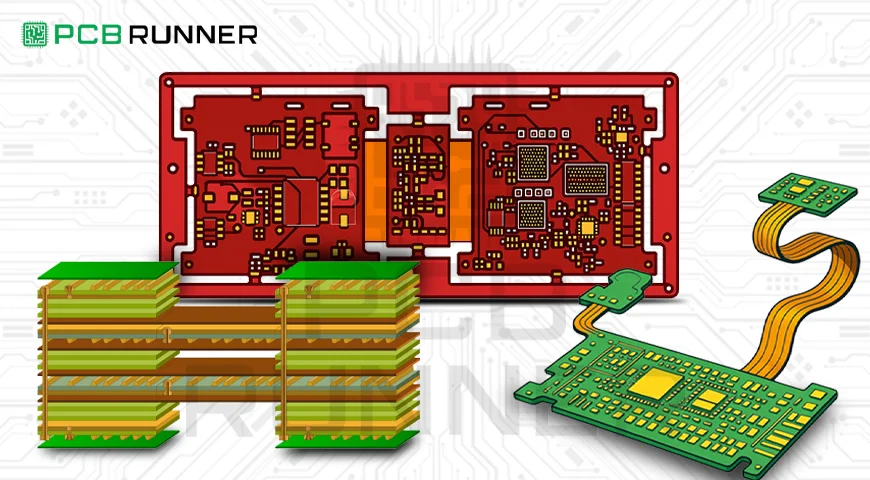
A rigid-flex PCB combines two types of circuit boards in one: a flexible part and a rigid part. The rigid part gives strength and support. The flexible part bends and twists as needed. By mixing these two types, you get the best of both worlds. You can place components on both sections, and it all fits together without extra wires or connectors.

Why Are Rigid-Flex PCBs Useful?

Rigid-flex PCBs are helpful in many ways:

  • Saves Space: Since you can fold or bend the flexible parts, the overall design can be smaller.
  • Stronger Connections: No need for connectors between sections. That means fewer weak spots and less risk of failure.
  • Fewer Parts: Everything is part of one board, so you don’t need extra cables or multiple boards.
  • Better Performance: These boards handle vibrations, heat, and movement better than traditional boards.

Rigid flex stackup (1)

Where Are They Used?

You can find rigid-flex PCBs in lots of products:

  • Phones and Tablets: Helps fit more tech into smaller cases.
  • Wearables: Smartwatches and fitness trackers use them to stay lightweight and strong.
  • Medical Devices: Hearing aids, implants, and diagnostic tools use rigid-flex boards for comfort and safety.
  • Cars: Used in dashboards, cameras, and sensors that need to handle heat and vibration.
  • Aerospace and Defence: Planes and satellites use these boards because they are light and dependable.

What Makes a Good Rigid-Flex PCB?

If you’re working on your own design or getting boards made, here are things to check:

  • Quality of Materials: Choose a good circuit board material that fits your project. FR4 is common for rigid parts.
  • Accurate Layout: Make sure your board fits where it needs to go. Mistakes in layout can cause delays.
  • Reliable Manufacturer: Choose PCB circuit board manufacturers or pc board manufacturers that understand rigid-flex boards. Experience matters here.

Understanding the Materials

The rigid part of the board often uses FR4. It’s a fibreglass material that doesn’t bend. The flexible part usually uses polyimide. It bends without breaking. Picking the right printed circuit board material is essential. The wrong one can cause your board to fail.

Making a Rigid-Flex PCB

Making these boards is harder than making standard PCBs. That’s why not every PCB board manufacturer offers this service. The process includes:

  1. Designing the Layout: This includes planning where each part goes and how the flexible parts fold.
  2. Layering Materials: Each layer of the board is stacked and bonded together carefully.
  3. Drilling and Etching: Holes are made for parts, and metal paths are etched to form connections.
  4. Testing: Each board is checked to make sure it works. Good printed circuit board manufacturers will run electrical tests to ensure quality.

Design Tips for Your Project

If you’re designing with rigid-flex boards, keep these tips in mind:

  • Avoid Sharp Bends: Bends should be smooth. Sharp corners can crack over time.
  • Support the Bend Area: Don’t put soldered parts or holes right on the flex area.
  • Plan for Heat: Flex parts can handle heat, but only to a point. Design with that in mind.
  • Use the Right Tools: Use design software that supports flex and rigid PCB layout. This helps avoid mistakes.

Benefits for You

Using rigid-flex PCBs can help you:

  • Build smaller, lighter devices.
  • Make your products more durable.
  • Simplify assembly and reduce the number of parts.
  • Improve reliability by cutting down on wires and connectors.

These things matter whether you’re building something for a customer or working on a personal project. You want your boards to last and work well.

Why Manufacturers Like Rigid-Flex PCBs

Manufacturers choose rigid-flex designs because they reduce the steps needed to put devices together. Fewer parts mean fewer errors. Also, the devices built with these boards tend to pass quality tests more easily. That saves time and money.

With help from skilled PCB circuit board manufacturers, you can also make custom printed circuit boards that suit your needs exactly. From shape to layer count to special materials, it’s all possible.

How to Pick the Right Manufacturer

Not every company can make good rigid-flex PCBs. When you’re looking for help, find someone who has:

  • Experience with flex and rigid PCB types
  • A track record of high-quality boards
  • Good support during the design stage
  • Quick turnaround times

You want to work with people who understand what you need. Ask for samples. Check reviews. Make sure they know what they’re doing.

Real-Life Examples

Smartphone Design: Phone makers use rigid-flex PCBs to fit more features into slimmer cases. Cameras, charging ports, and buttons all connect with fewer parts.

Medical Gear: Doctors rely on tools that can’t fail. Rigid-flex boards in devices like hearing aids help them stay small and dependable.

Automotive Systems: Cars shake, rattle, and heat up. Rigid-flex PCBs handle those stresses better than old-style boards.

Future of Rigid-Flex PCBs

The need for innovative, compact electronics isn’t going away. In fact, it’s growing fast. That means rigid-flex boards are becoming more common in everyday devices. If you’re designing electronics today, knowing how to use these boards gives you an edge.

Companies will continue to invest in better materials and processes. That means you’ll get even stronger, thinner, and more flexible options in the future.

Final Thoughts

Rigid-flex PCBs are changing the way we build electronics. By mixing flexible and rigid sections, they allow for smarter designs that are smaller and tougher. Whether you’re a hobbyist, engineer, or product developer, these boards can help you reach your goals.

When you’re ready to take the next step, look for reliable PCB circuit board manufacturers or PCB board manufacturers who can guide you. Ask about flexible and rigid PCB experience. Test a few samples. The right partner will help you make better products.

Start small if you’re new. Try adding a flexible section to one of your current designs. You’ll see how much space you save and how easy assembly becomes. From there, the sky’s the limit. And remember, great electronics start with great boards. Make sure your design has the support it needs to work well for years to come.

Semi-Flex Circuit Boards

Semi-Flex Circuit Boards: The Future of Flexible Electronics

When most people think about electronics, they picture flat, rigid circuit boards inside phones, TVs, and computers. But did you know there’s a type of circuit board that can bend without breaking? It’s called a semi-flex circuit board, and it’s changing how we build and use electronic devices.
If you’re working with PCB circuit board manufacturers or designing a new product, it’s essential to understand this technology. Let’s explore what semi-flex PCBs are, how they work, and why they might be the right choice for your next project.

What Is a Semi-Flex Circuit Board?

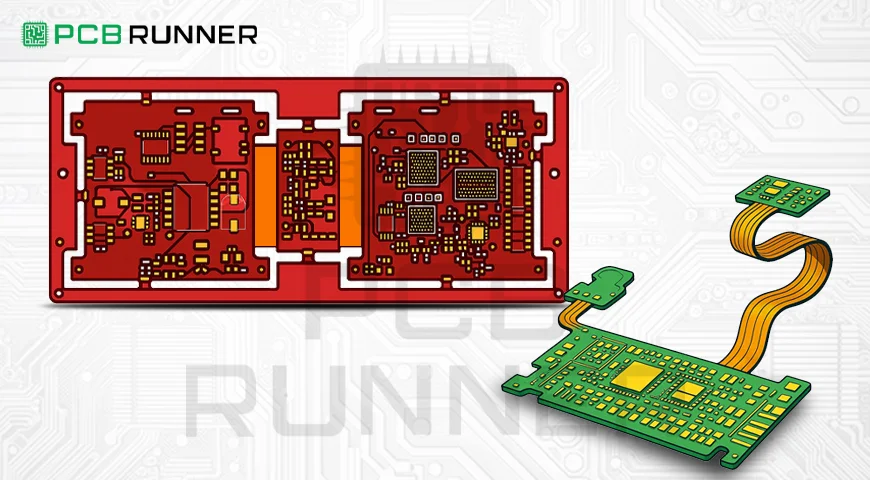
A semi-flex circuit board is a special type of printed circuit board that can bend slightly in certain areas. These boards are made from a regular rigid material, like FR4, but with special processes that allow part of the board to flex without breaking.

They are not as flexible as full flex circuit boards, but they’re more bendable than standard rigid ones. That makes them perfect for tight spaces or products that need to move just a little.

Rigid flex stackup

Why Choose Semi-Flex Over Standard PCBs?

You might wonder: why not just use a regular flex and rigid PCB or a full rigid-flex circuit board?

Here’s why many engineers choose semi-flex PCBs:

  • Lower cost than full flex or rigid-flex boards
  • Simple to produce using regular materials
  • Ideal for tight spaces where a little bend is needed
  • Reliable for static bending (not repeated flexing)

If you don’t need your board to move constantly but still want flexibility for installation, this type of board works great.

How Are Semi-Flex PCBs Made?

Unlike full-flex circuit boards, semi-flex PCBs are made using regular FR4 material (a strong, heat-resistant type of fibreglass). A special milling or laser process thins out part of the board to allow it to bend.

These thinned sections are usually placed between two rigid areas. The flexible part connects them and bends when needed,like folding a hinge.

If you’re working with experienced pc board manufacturers, they’ll know how to build these correctly.

Where Are Semi-Flex Boards Used?

Semi-flex PCBs are used in devices where the board needs to bend once or a few times,usually during assembly.

Here are some common examples:

  • LED lighting systems
  • Medical devices
  • Car dashboards and control units
  • Industrial control panels
  • Consumer electronics like printers or cameras

In many cases, these boards replace costly cables or connectors. They also reduce space and improve reliability.


Semi-Flex vs. Flex and Rigid PCBs

Let’s compare a few features so you can pick the right board for your needs:

Feature Semi-Flex PCBs Flex Circuit Boards Rigid-Flex PCBs
Bending type Static (1–2 bends only) Dynamic (many bends) Static or dynamic
Cost Lower Higher Highest
Materials Modified rigid (FR4) Polyimide or flexible base Mix of rigid and flexible
Assembly process Easier and cheaper Needs special tools Complex and longer process
Space-saving Moderate Excellent Excellent

Benefits of Semi-Flex Boards

Working with reliable flex circuit board manufacturers or PCB board assembly companies gives you access to many benefits:

1. Space Saving

Bendable boards help fit electronics into small or oddly shaped devices without using extra wires.

2. Stronger Connections

They reduce the need for connectors and cables, which can come loose over time.

3. Lower Costs

Semi-flex boards are cheaper than fully flexible designs but still offer excellent performance.

4. Simpler Assembly

You can bend the board once and lock it in place. That makes the final product easier and faster to build.

Working With PCB Circuit Board Manufacturers

Not all PCB circuit board manufacturers have experience with semi-flex boards. Be sure to ask:

  • Have you built semi-flex boards before?
  • What’s the minimum bend radius you support?
  • Can you handle both PCB fabrication and PCB board assembly?

Choose a manufacturer that can guide you through the design process. They’ll help you avoid errors like placing parts in the bend area or using the wrong materials.

Design Tips for Semi-Flex PCBs

Here are a few practical tips when working with semi-flex:

  • Keep parts away from the flex area (at least 5mm)
  • Use curved traces in the end zone to prevent cracking.
  • Avoid vias in the flexible area.
  • Follow proper bend radius rules (ask your manufacturer)
  • Use stiffeners if needed for extra support.

Following these rules helps your board last longer and perform better.

Flexible Circuit Board Assembly: What to Expect

Whether you’re building a semi-flex, flex, or rigid-flex circuit board, the assembly process matters. During flex circuit board assembly, parts are usually placed on the rigid sections. The flexible part is kept clear to avoid stress or damage.

Good pc board manufacturers will have trained staff and machines that know how to handle flexible material. If they rush the process or skip steps, your board might not work correctly.

Ask your flex circuit board manufacturers how they handle storage, bending, and inspection.

Future of Semi-Flex in Electronics

As electronics get smaller and more complex, semi-flex boards are becoming more popular. They help make devices lighter, thinner, and more reliable.

New industries are now exploring semi-flex designs, including:

  • Wearable tech
  • Robotics
  • Smart home gadgets
  • Drones and electric vehicles

As electronic flex circuit board designs become easier to produce, you’ll see more companies switch to these bendable solutions.

Conclusion

If your design needs a little flexibility without the high price of full flex boards, semi-flex PCBs are a wise choice. They combine the strength of rigid boards with enough flex to fit into tight spaces. You save money, save space, and simplify assembly,all without sacrificing performance.

To get started, talk to trusted pcb circuit board manufacturers or flex circuit board manufacturers who understand your needs. Ask about bend radius, materials, and design tips. And don’t forget to plan for a safe, reliable PCB board assembly process.

By choosing the right board and the right partner, you can create better products,faster and wiser.


Assembling High-Quality Rigid-Flex PCBs

From Design to Production: How Rigid-Flex PCBs Are Made

With the increase in the usage of modern day electronic devices, the need for complex, compact rigid-flex PCBs has gone exponentially higher. These types of PCBs have flexible substrates built into them which enable manufacturers to efficiently meet and adapt to various design requirements.  
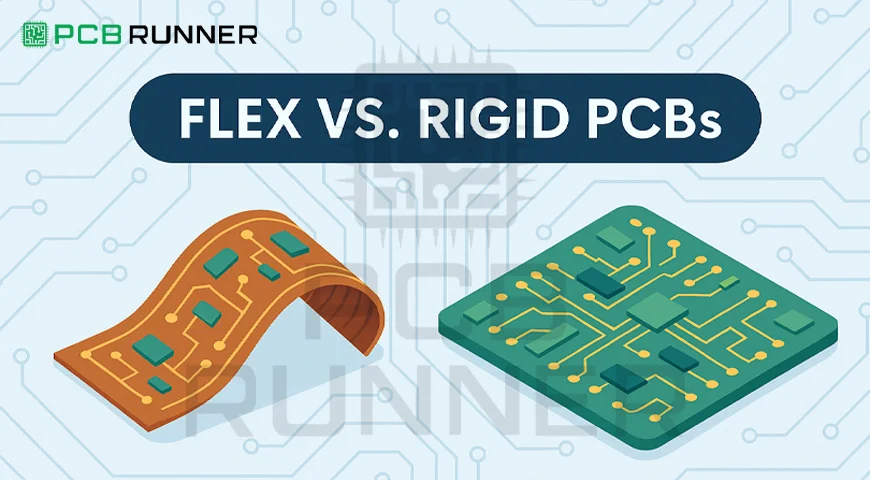
Creating flex circuit and rigid PCB assemblies involves advanced manufacturing techniques along with incorporating the right type of raw material. These factors combined make the entire process sophisticated and require a high level of accuracy and skill from the manufacturers. 

Understanding Rigid-Flex PCB Components 

The choice of materials is the most important step when constructing a rigid-flex PCB. The materials used in both the rigid and flexible sections of the PCB have to provide reliable performance throughout the set lifecycle of the product. 

1. Substrates

The rigid parts of the PCB are usually composed of FR-4, which is a strong epoxy resin and fiberglass compound that forms an integral part of the standard used PCB material. The flexible portions, however, depend on multi layer polyimide (PI) films which are thermally stable and flexible.  

Polyimide (PI): PI films are well known for being mechanically robust during soldering processes and are capable of enduring extremely high temperatures.  

Polyester (PET): Although Poly Targeting less warmth resistant than PI, PET proves to be extremely useful in instances where heavy soldering temperatures are avoided due to cost factors. 

substrate

2. Materials of Conductors

The conductive traces in rigid-flex PCBs are made of copper. Depending on the application, manufacturers may choose between:  

Electrolytic Copper Foil: This is best used for high-current applications. 

Rolled Annealed (RA) Copper: Enables the most intense bending and provides excellent strength and endurance.   

copper

3. Bonding and Hybridization Layers

In order to attach copper layers to the flexible substrates, epoxy and acrylic based bonds are widely used. Some latest techniques incorporate the use of adhesive-free laminates for increased flexibility and reliability.  

Bonding and Hybridization Layers

Manufacturing Steps of Rigid-Flex PCBs 

To create a rigid-flex PCB there are several important steps:  

  • Layer Stack-Up Sequence Construction

The first step in the process of manufacturing is the design of the stack-up of the PCB. The stack-up outlines the configuration of conductive and non-conductive sections for both rigid and flexible parts. 

The materials must meet the application’s electrical, thermal and mechanical requirements, and so engineers must plan ahead. 

Simulation through CAD programs produces a more accurate design before being manufactured. 

  • Adhesive Layer or Seed Deposit Application

A layer of acrylic or epoxy adhesive is placed on the base material. Rather, a seed copper layer can be sputtered over the substrate serving as a key for the plating. 

  • Foil Copper Lamination

In the context of PCB manufacturing, copper foil is laminated onto the substrate through the use of thermal and mechanical techniques. Some processes in modern PCB manufacturing incorporate ductile, high-performing conductors through adhesiveless copper deposition.  

  • Pictorial Cuts

This step consists of facilitating vias and pads that enable multilayer linkages. Depending on the design requirements, the drilling process may involve: 

Mechanical Drilling: Use for boring larger openings. 

Laser Drilling: Use in the creation of highly accurate micro vias. 

Punching: Good for bulk manufacturing, albeit requires specialist equipment. 

  • Completing the Circuit with Plating

After the holes are drilled, they are plated with copper to form electrical connections within the layers. To ensure the mechanical strength of flex and rigid PCB assemblies, the average plating thickness is 1 mil.  

  • Applying Etch-Remove Covers

A layer of photosensitive etch-resist material is placed above the copper layers. The required circuit patterns are revealed and developed using photolithography. 

  • Etching by Chemicals

The remaining traces of etch-resist are stripped off and the copper areas that were not covered previously are chemically etched to leave desired circuit traces. 

  • Application of Coverlay or Covercoat

In order to safeguard the conductive paths, polyimide film coverlay layers are laminated to the flexible parts. In certain instances, a photo-imageable solder mask can be directly printed onto the board. 

  • Mounting of Components

The assembly of surface mount and through hole components onto the rigid flex PCB is done by automatic pick and place machines. 

Lead-free soldering: Helps comply with RoHS environmental regulations. 

Reflow soldering: Allows for secure and reliable connections of components. 

  • Quality Assurance and Testing

The rigid flex PCB is tested against a range of procedures to confirm functionality prior to shipment. 

Electrical Testing: Testing circuits for continuity and isolation. 

Mechanical Testing: Testing of flexibility and durability of the board. 

Insights From Experts 

Altium is well-known for offering innovative solutions in PCB design. They have noted the significance of innovation and accuracy in PCB production. A typical double sided flex circuit construction sequence features several specialized processes like seed coating and coverlay application. Notable methods for improving speed and quality for flex and rigid PCBs is laser drilling and adhesive-less copper deposition. 

The research done by Altium suggests that modern changes in design tools and automation are making manual interventions less important in the production process. These changes allow producers to achieve better accuracy, lesser material wastage, and improve the reliability of the materials used for PCB boards, which in turn ensures better performance in critical applications. 

Conclusion 

Producing rigid-flex PCBs is a long and carefully executed process right from design to production involving the best materials, high-quality manufacturing processes, and rigorous testing.  With improvements in the material used for PCBs and enhancement of the manufacturing process, the electronics industry is bound to become much more powerful and flexible in the times to come.

Through grasping each process step and employing expert knowledge, manufacturers can improve the production process of PCB assemblies, ensuring high-quality rigid flex solutions for various applications. Rigid-flex PCBs offer the world limitless possibilities for advanced electronics through wearables, automotive systems, and industrial millennium automation. 

FAQs 

What are rigid-flex PCBs used for?
Rigid-flex PCBs are popular in industries that need compact, light weight, and high performing electronics, like in wearable devices, aerospace, and industrial automation systems.

Which materials are commonly incorporated in rigid-flex PCBs?
FR-4 for the rigid sections and polyimide films for the flexible portions are the most used compounds, with copper serving as the material of choice for conductive traces.

In what ways do rigid-flex PCBs assist manufacturers?
They minimize the number of connectors and cables to be used, allowing for designs that are smaller in outline and more accurate in functioning.

What problems occur in the manufacturing of rigid-flex PCBs?
The process can be expensive, and maintaining alignment throughout the production process is a difficult and delicate process to achieve.

What advantages do polymer lamination foils provide?
They enhance flexibility, lower the mass, and increase the toughness of the PCB which is why they are best suited for modern day high technology applications.


Flex vs. Rigid PCBs

Flex vs. Rigid PCBs: Making the Right Choice for Your Design

Printed Circuit Boards (PCBs) are critical in every electronic gadget as they ensure the mechanical and electrical interconnections between different parts of the device. PCB technology, like all others, has progressed over time to address the needs of smaller, more efficient and more versatile electronics. Presently, two major categories of PCBs in use are Flex PCBs or flexibles and Rigid PCBs. Electronics designers and engineers need to know the difference between these two variants in order to design and manufacture high-quality and low-cost products.
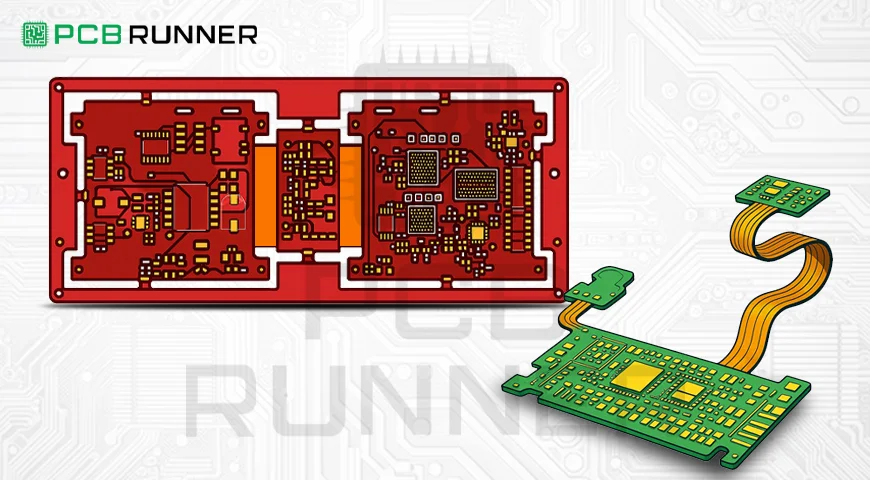
This blog will discuss the major differences between flex and rigid PCBs, their benefits and disadvantages, and how to select the most appropriate one for a given situation.

Basics of Rigid PCBs

What Is A Rigid PCB?

Rigid PCBs are an older variety of circuit boards fabricated from a single piece of rigid and inflexible material, such as fibreglass (FR4). Such boards retain their shape and are commonly manufactured for use in devices that require strength and proper component alignment.

rigid board

Dependable Connections: The structure of rigid PCBs guarantees reliable soldering and little movement to the components mounted on them.

Shortcomings of Rigid PCBs

Inflexibility: Rigid PCBs cannot be bent or molded to fit into curved or contoured closed spaces.

Additional space needed: Unlike flexible PCBs, rigid PCBs occupy more area in compact devices.

Increased chance of mechanical failure: Rigid PCBs will tend to develop cracks or break over time in an environment with constant vibration or movement.

Interpreting Flexible PCBs

Defining a flexible PCB

As the name implies, a flexible PCB (flexible printed circuit board) is a printed circuit board made of thin, pliable polyimide materials that allow the board to bend and take on different shapes. These PCBs are applicable in scenarios where the space available is small or when the circuitry needs to be in motion.

flex board

Benefits of Flexible PCBs

Light and Compact: The structure of flexible PCBs makes them perfect for portable and wearable electronic devices.

Toughness in Active Situations: They can also endure bending, vibrations, and motion without being damaged.

Reduced Circuit Complexity: Simplifies circuit design as fewer connectors and cables eliminate points of failure and increase reliability.

Enhanced Heat Dissipation: Flexible PCBs have improved dimensional tolerance and expansion efficiency compared to rigid PCBs.

Hurdles of Flexible PCBs

Increased Cost of Production: The average rigid PCB’s expense is greatly increased due to the costs of specialized materials and the manufacturing processes involved.

Difficult assembly: The assembly of flexible PCBs is challenging and should be done with extreme care.

Limited Load-Bearing Capacity: Unlike PCBs, flexible ones cannot support substantial weights.

Deciding Rigid Over Flexible PCBs:

It is important to understand the scope of the design or the application as it determines the type of PCBs to use. Consider the following points:

  1. Size and shape of the device

A rigid PCB is more suitable if your device has a simple shape and a flat, erect outline.

For designs with circular or folding parts, a flexible PCB is most appropriate.

  1. Durability and surroundings

Flexible PCBs are ideal when it comes to high-motion or vibration environments like the automotive and medical fields.

Rigid PCBs are highly durable and perfect for static environments like desktop systems or industrial machines.

  1. Cost of production

If budget is a restraining factor, then rigid PCBs are the most affordable.

Flexible PCBs are a better spend where cost does not matter, saving space and enhancing performance.

  1. Load of components and interconnects

When heavy components are a necessity in design, structural support is provided best by Rigid PCBs.

Flexible PCBs are an improvement over the design and provide reliability with minimal connectors and wires.

Flex vs. Rigid PCBs: Key Differences

Feature Rigid PCB Flexible PCB
Structure Solid and inflexible Bendable and adaptable
Material Fiberglass (FR4) Polyimide or flexible plastic
Durability High in static environments High in dynamic environments
Space Efficiency Requires more space Saves space with flexible designs
Manufacturing Cost Lower Higher due to advanced processes
Application Computers, industrial equipment Wearables, medical devices, automotive

Expert Insights

In the past, PCBs were rigid and made of materials like fibreglass that supported the mechanical soldering of components but didn’t allow for much flexibility. With the shift in consumer preferences toward devices that are smaller, lighter, and more compact, the introduction of flexible and rigid-flex PCBs has transformed electronic design.

Manufacturers will be familiar with flexible PCBs; as the name implies, these are designed to bend and twist, allowing for the adaptation of electronics to various shapes and sizes. In comparison, rigid-flex PCBs combine rigid and bendable parts, providing the user with the best of both worlds by offering the structural support common with traditional PCBs as well as the pliability of bendable circuits. In several areas, these innovations are fostering new developments and increasingly so in the next few years, even more so.

The combination of rigid and flexible elements in rigid-flex PCBs allows for both the rigidity necessary for the stable placement of components and the flexibility required for active and versatile layouts. This is essential in fields such as electronics for aerospace and medical devices, where electronic components must function in severe conditions and unconventional structures. Economically, rigid-flex PCBs can eliminate the need for connectors and cables, resulting in reduced overall design complexity, increased reliability, and lower production costs.

Conclusion

Both rigid and flexible PCBs have unique advantages and cater to specific needs. While rigid PCBs are cost-effective and allow stable, dense component placements, flexible PCBs are adaptive, durable, and save space.

A careful analysis of the advantages and disadvantages of these two technologies allows PCB manufacturers and electronics engineers to make optimal design choices during PCB production. Progress in technology will allow multilayer PCBs and rigid-flex designs to remain at the forefront of developing next-generation, high-performance, innovative electronic products.

If you are wondering how to find the best PCB solution for your project, seeking direction from a professional circuit board assembly provider is the surest way to guarantee optimal performance while ensuring reliability and cost efficiency.

Assembling High-Quality Rigid-Flex PCBs

Advanced Techniques for Assembling High-Quality Rigid-Flex PCBs

To keep up with the demand for modern electronics, industries are pivoting towards Rigid-Flex PCBs, which are a step in the future. These multilayered versatile circuit boards are an advanced version of traditional circuit boards. They combine the best features of rigid PCBs and flexible circuits, making them appropriate for applications with intricate shapes, lower weight, and superior strength. 

Achieving a successful assembly of Rigid-Flex PCB requires an understanding of the key material features, some sophisticated engineering processes, and creative assembly techniques.

A Walkthrough of Rigid-Flex PCBs

Rigid-flex PCBs consist of integrated rigid and flexible regions on the same board structure. Their main advantage over conventional PCBs is that they allow reduced connector counts, better signal integrity, and more excellent design maneuverability. This makes them extremely useful for aerospace, medical, wearable devices, and other consumer electronics. 

Categories of Rigid-Flex PCBs

Rigid-flex PCBs can be categorized based on their structure:

  • Single-Sided Rigid-Flex PCBs: Flexible layer copper traces are only present on one side.
  • Double-Sided Rigid-Flex PCBs: Copper traces are added to both sides of the flexible layer. 
  • Multi-Layer Rigid-Flex PCBs: Composed of insulating layers with multiple conductive materials added to increase intricateness and greater routing density.

RIGID FLEX

Material Selection for Rigid-Flex PCBs

Selecting appropriate materials for a rigid-flex PCB fabrication process affects the intended performance and reliability. These materials include the cover layer, adhesive, copper foil, and the substrate.

Recommended Materials

  • Polyimide Films: These materials are best for use as they have superior thermal stability, dielectric properties, and flexural strength.
  • Foils: Flexible copper foils of low thickness provide good electrical conductivity and reasonable mechanical flexibility.
  • Adhesive: Polyester and polyimide adhesives are frequently utilized as a solution to dimensional variability.
  • The selection of appropriate materials can improve robust mechanical properties and enhance dimensional stability and performance during the assembly process.

Key Production Processes

The fabrication of rigid-flex PBMs is one of the most challenging processes in PCB assembly. Its primary goal is to obtain high-quality results through precision and careful control.

Cleaning and Surface Preparation

Patterning with high precision in flexible PCBs requires high-skill surface preparation due to the difficulties involved in cleaning flexible PCB materials. Since flexible PCB materials are soft and thin, a mechanical approach will not provide adequate surface value.

Preferred Techniques

  • Electrolytic Cleaning: The melting electrolytic alloy delivers good roughness value while providing sufficient cleanliness to the surface.
  • Micro-Etching: Fine spacing between copper traces with tight tolerance can be achieved by micro-etching.

Layer Alignment

Many materials, such as polyimide, show increased moisture absorption, which can lead to PCB dimensional instability. Flexible, placed multi-layer PCB components require higher precision in flexible layer alignment.

Alignment Techniques

  • Alignment Holes: These lower the chances of layers being placed incorrectly.
  • X-Ray Drilling: X-ray drilling enables improvements for the drilling offsets, and fixing them determines where the added holes should be placed.

Multiflex Plating

Multiflex plating techniques reinforce critical areas in a rigid-flex PCB. In addition to improving mechanical strength, these techniques also improve electrical conductivity, making it easier for the PCB to bend and endure dynamic loads.

Assembly of Rigid-Flex PCBs

The assembly of rigid-flex PCBs is more difficult than assembling rigid boards because they are lightweight and very thin.

Fixtures and Carriers

During surface mount technology procedures, assemblers use specialized fixtures and carriers to hold the flexible parts of the board.

Common Fixtures

  • Board Trays: Used to keep the board in shape and its position.
  • Baking Fixtures: Reduce the absorption of moisture before assembling the boards.
  • Electrical Test Fixtures: Different tests are performed, which include a credibility check.

Adjustments in the SMT process

  • Low-Temperature Soldering: Flexible components are not thermally damaged by soldering.
  • Component Placement: Careful handling reduces assembly deformation.

Panelization

The rigid-flex PCBs are usually panelised to facilitate assembly. After assembly, the separate boards are punched out one by one from the assembly panel.

Ensuring Product Quality

Because a rigid-flex PCB has challenging tasks, the product quality must always be high.

Key Quality Control Measures

  • Soldering Reliability: Achieves a mechanical bond that remains intact.
  • Anti-Static Precautions: To avoid interfering with electronics sensitive to static.

RoHS and Lead-Free Compliance

For the environment, RoHS and lead-free regulations are more stringent than for any other industry. In that regard, the rigid-flex PCB manufacturing process has to be updated to work with high soldering temperatures. This means that process and material selection must be made with great care.

Cost Considerations

Unlike standard rigid boards, a rigid-flex PCB’s assembly process is more costly, which means the entire assembly procedure is more complex, requires fixtures, and takes longer to complete. But thanks to process and technology advancements, the cost is slowly but surely lessening.

Factors Affecting Cost

  • Fixures and accessories: A baseline for custom fixtures.
  • Manufacturing Periods: Benchmark timelines for precision processes.
  • Staffing Requirements: Skilled assembly labour.

Expert Insights on the Future of Flexible and Rigid-Flex PCBs

With the continuous improvement in technology, more and more challenges in electronic design need to be solved. Flexible and rigid-flex printed circuit boards (PCBs) are perhaps the most disruptive innovation in the world of electronics because they dramatically outperform rigid boards in both ease of use and are lightweight and compact. 

Flexible PCBs can be twisted and bent, which allows for the fabrication of small and light devices. Meanwhile, rigid-flex PCBs offer controlled flexibility while retaining the structural strength of rigid boards, providing robustness for designs intended for the automotive, medical, aerospace, and even consumer electronics industries. Rich functionality and durability have allowed the invention of modern designs, which are smarter and more compact than ever.

Their versatility and potential are illustrated by the increasing adoption of flexible and rigid-flex PCBs in wearables, electric vehicles, and IoT devices. For instance, in automotive systems, these PCBs allow manufacturers to fulfill the requirements of advanced driver assistance and in-vehicle connectivity due to their compact size. In medical devices, flexible PCBs enable the creation of highly conformable wearable health monitors. 

Ongoing automation and materials innovation will enable manufacturers to overcome challenges such as increased costs and complicated processes. The ability of these PCBs to increase efficiency and functionality will determine the future of electronics design, from smart devices to aerospace technologies.

Conclusion

Rigid-flex PCBs are essential for many applications due to their increasing requirements in engineering sophisticated electronic devices. Meticulously implemented multiflex plating, precise layer alignment, and advanced assembly techniques allow manufacturers to produce high-quality, defect-free PCBs. Although there are higher upfront costs, the long-term savings achieved from their performance, durability, and design flexibility make rigid-flex PCBs cost-effective.

Contracting professionals in PCB assembly maximize the efficiency and accuracy of your project by implementing the newest techniques. For an effective and smooth rigid-flex PCB assembly service, work with a reputable PCB manufacturer like PCB Runners who has considerable experience in this area.

Why Rigid HDI PCB Substrates Are Essential for IoT Devices

Why IoT Devices Rely on Rigid HDI PCB Substrates

The Internet of Things (IoT) is improving at a rapid pace, and there is a need for faster, more compact, and reliable products. The need for per unit surface area has risen drastically, which sets the goal for Rigid HDI (high-density interconnect) PCBs. 

These new PCBs make it easier for designers to fit more functionality into a smaller space, which is more important than ever for constrained and cluttered IoT applications. With the increase of connected devices, it is important for all individuals targeted at IoT development to understand the relevance of Rigid HDI substrates.

In this blog, we will discuss HDI PCB fabrication, the performance and miniaturization of Rigid HDI PCBs enabling IoT devices, their advantages, and the reasons they are essential for modern electronics.

Why Rigid HDI PCB Substrates Are Essential for IoT Devices

What Are Rigid HDI PCBs?

High Density Interconnect (HDI) PCBs offer greater circuit density in a smaller area due to the inclusion of thin traces, small pads, and miniaturized vias.

These kinds of PCBs are designed to transfer signals quickly. They feature advanced micro vias, buried vias, and blind vias to achieve compact and complex designs.

Rigid HDI PCBs are ideal for IoT devices as they provide advanced features. Their higher I/O counts, smaller size, and better performance make them suitable for multilayer boards.
In IoT, the Benefits of Rigid HDI PCBs are:

  • Improved signal: Smaller vias greatly improved performance in high-speed IoT applications by reducing signal degradation.
  • Miniaturization: HDI boards allow smaller electronic devices to be designed with a higher level of functionality. This is perfect for portable devices, wearable goggles, and many other devices where space is constrained.
  • Cost Efficiency: The rigid HDI PCBs housing multiple components in a single unit allow for a drastic reduction in the number of components.
  • Increased Reliability: Reducing the number of components and making the electrical connections stronger increases the performance and durability of IoT devices.

Rigid PCB Stackup

Application and benefits:

Including HDI PCB prototypes in your IoT designs helps achieve better signal integrity, compact form factors, and enhanced connectivity. Smart home systems, healthcare sensors, and wearable gadgets are all IoT devices that rely on increasing their overall performance while reducing their size.

Fitting several devices and their connections into one small board can greatly reduce costs and improve the time taken to manufacture new IoT products.

Expert Insights

Rigid HDI (High-Density Interconnect) PCBs are essential for IoT devices, offering superior performance in both compactness and functionality. As IoT technology demands smaller, more powerful, and cost-effective devices, rigid HDI PCBs provide the high-density interconnections needed to support advanced features in space-constrained applications. 

These substrates are crucial for ensuring efficient signal integrity and thermal management, key aspects for IoT systems operating in diverse and often harsh environments. Additionally, the use of rigid HDI allows for the integration of fine-pitch components and complex routing, which are indispensable for modern, miniaturized IoT devices.

Moreover, rigid HDI PCBs enhance the durability and longevity of IoT devices by providing robust mechanical strength and moisture resistance. These boards excel in high-performance IoT applications, such as smart grids, autonomous vehicles, and medical devices, where reliability is non-negotiable. Their ability to withstand thermal cycling and environmental stress makes them ideal for IoT solutions that require long-term performance under varying conditions.

The combination of compact design, high thermal stability, and efficient manufacturing processes makes rigid HDI PCBs the go-to choice for cutting-edge IoT devices, enabling both functionality and sustainability in an increasingly connected world.

FAQs

Q1: What are the differences between HDI PCBs and other PCBs?

HDI PCBs have unique designs, offering greater electrical performance and higher-density interconnections compared to traditional PCBs, which have less efficient traces and vias.

Q2: Is it possible to use Rigid HDI PCBs for all IoT devices?

There is no question that Rigid HDI PCBs are flexible and can be fitted to various types of IoT applications, including wearable devices, smart home gadgets, and even industrial sensors.

Q3: How economical is rigid HDI PCB fabrication at mass scales?

Although HDI Rigid PCBs entail higher initial production costs than conventional methods, they become economical once multiple circuit boards are combined into one compact device, decreasing the number of additional parts needed.

Q4: How can Rigid HDI PCB enhance the efficiency of the signals?

Because of their distinct characteristics, advanced HDI PCB construction techniques such as microvias and blind vias can truly benefit signal integrity in high-frequency settings. Microvias mitigate signal loss, and blind vias significantly reduce interference and crosstalk.

Conclusion 

The market is trending towards low-cost, highly functional, fully integrated IoT devices. To stay competitive, adopting Rigid HDI PCBs will help improve your IoT product design, increase reliability, and improve the time to market.


Rigid HDI PCB substrates

Over the past few years, printed circuit board technology has advanced dramatically. It demands goods that are both faster and more compact. HDI boards are considerably smaller now. They have tiny pads, copper traces, ultra-fine vias, and gaps.
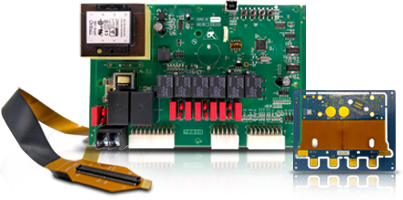
HDI-printed circuit boards have significantly higher wiring density per unit than traditional printed circuit boards. HDI PCBs are typically defined as printed circuit boards with micro vias, blind vias, buried vias, high signal functionality, and built-up laminations.

Thus, high-density layouts have denser wiring, resulting in lighter weight, fewer layers, and more condensed PCBs. Instead of using multiple PCBs in a device, a single HDI board is adequate to house the functionality of the prior boards.

  • Finer lines and spaces < 100 um / 0.01 mm
  • Smaller vias<150 um and capture pads <400 um / 0.40mm
  • Higher connection pad density > 20 pads/cm2
  • 120-160 average pins per square inch

Rigid HDI PCB substrates

Benefits of Rigid HDI PCB Substrates:

  • Better electrical performance and signal integrity
  • Lower noise and crosstalk, and lower EMI/RFI
  • Smaller size and weight
  • Cost optimization
  • Reduced design time
  • More reliable designs
  • Complex and dense devices
  • Compact PCBs

When designing an HDI PCB board, it is critical to keep important manufacturing and design challenges in mind. There are a few of the most commonly reported difficulties:

  • More connections are required to finish the board.
  • You must design smaller parts in a much narrower space.
  • There are relatively few workplace areas.
  • There is a restricted board workstation area.
  • There are more parts on each side of the PCB layer.


Features PCB Runner’s Specialty
Number of layers 4–22 layers standard, 30 layers advanced
Technology highlights Multilayer boards feature a higher connection pad density than normal boards, with thinner spaces, smaller via holes, and capture pads, allowing micro vias to only penetrate specific layers and even be inserted in surface pads.
HDI builds 1+N+1, 2+N+2, 3+N+3,4+N+4, any layer or ELIC, Ultra HDI in R&D
Materials FR4 standard, FR4 high performance, halogen-free FR4, Roger
Copper weights  18μm – 70μm
Minimum track and gap 0.075mm / 0.075mm
PCB thickness 0.40mm–3.20mm
Maximum dimensions 610mm x 450mm; dependent upon the laser drilling machine
Surface finishes 0.10mm standard, 0.075mm advanced
Minimum mechanical drill 0.15mm
Minimum laser drill 0.10mm standard, 0.075mm advanced


Types of Rigid HDI PCB Substrates:

A via is a tiny conductive hole that connects multiple layers of a PCB with a high density of interconnectivity. It provides signs so that one can pass across them with ease. Four different kinds of through holes penetrate into an HDI PCB, all of which are subject to PCB operations.
These are the following:

Blind Vias

To link the center layer of a multi-layered HDI PCB to the periphery, a drill or laser is used to punch the hole. The reason this hole is called the blind via is because it is only visible from one side of the PCB board. But keep in mind that this kind of hole is expensive and difficult.

Buried-vias

The multiplayer HDI PCB’s two inner layers are connected via the buried vias. It gets its name since it is always located on the internal surface of the printed electronics board and is invisible from the outside. A different drill file is needed for this via since it is also a plated hole. A buried passage has an even number of layers, such as 2, 4, 6, 8, and so forth.

Micro-vias 

The micro vias, as their name suggests, are the smallest form, measuring less than 150 microns in diameter. A laser is also used to puncture it. These are among the most common kinds of vias used in HDI PCBs to connect one layer to the one next to it. In addition, its diameter is much smaller than that of mechanically bored vias, such as the through-hole. They are able to manufacture boards for electronics with more complex designs that are denser because of their size and ability to connect layers.

Via-holes

A drill or laser is used to drill this hole from top to bottom across the PCB. It facilitates the connection of the multi-layer PCB’s layers. Not only are they easy to build, but they are also among the most cost-effective options. To make them more inclusive, they have been separated into non-plated-through and plated-through holes.

Compared to microvias and through-hole vias, HDI technology offers a number of benefits, which include:

  • Improved consistency: Compared to traditional PCBs, HDI PCBs are more trustworthy and less prone to damage since they contain fewer features and more densely packed interconnections.
  • Improved performance: HDI PCBs are compatible for faster signal transfer, feature a greater number of connections, and provide improved performance for electrical devices.
  • Higher densities of interconnections are supported by HDI technology, meaning that more superior connections can be constructed in a smaller space. It is essential for producing smaller and more complex PCBs.

HDI PCBs Structures:

HDI PCB (1+N+1): Simplest HDI

  • One “build-up” of high-density connector layers makes up this HDI PCB structure, making it appropriate for BGAs with fewer I/O counts.
    • It features great mounting stability and dependability, fine lines, registration technologies with a 0.4 mm ball pitch, microvia, and the potential for copper filled via.
  • Applications: GPS, memory card, MP3 player, and cell phone.

HDI PCB (2+N+2): Moderate Complex HDI

  • Two or more “build-up” of high-density connection layers make up the HDI PCB structure; microvias on various levels can be stacked or staggered; Copper-filled layered micro via structures are frequently found in difficult designs with demanding specifications for high-performance signal transmission. 
  • These can be utilized to boost routing density in a complex design while keeping a thin final board thickness; they are appropriate for the BGA with smaller ball pitch and greater I/O counts.
  • Applications include game consoles, PDAs, cell phones, and portable video recorders.

ELIC (Every Layer Interconnection): Most Complex HDI

    • All of the layers in this high-density interconnection (HDI) PCB topology enable free connectivity of conductors on any layer via copper-filled stacking microvia structures. 
    • This produces improved electrical characteristics and offers a dependable connectivity solution for extremely complicated big pin-count gadgets, such as CPU and GPU processors used in portable and mobile devices. 
  • Applications include memory cards, MP3, GPS, cell phones, ultra-mobile PCs, and compact computers.

Why choose our Turnkey Manufacturing?

PCB Runner offers turnkey solutions which include custom design layout, fabrication, components procurement & assembly labor, for all industries. Our expert design layout team efforts help the end R&D engineers/ Buyers/ Purchasers to reduce their time by going back & forth to design PCBs based on manufacturing capabilities & running DFM & DFA twice. 

You are welcome to submit your design files to our email at sales@pcbrunner.com or engineering@pcbrunner.com

Multilayer Rigid PCBs Substrates

PCBs are made up of two main components: printed wires (the copper traces) and a substrate, or the board.
Substrates that divide the different layers are needed for multi-layer boards. The substrate acts as both an electrical insulator between conductive portions and a structural support for the printed wires and circuit components.

PCB substrates are incapable of conducting electric currents. They act as a layered electrical insulator between electronics for this reason. A material that does not conduct when subjected to an electrical current is known as an electrical insulator because its internal electric charge does not flow freely. As a result, plated through holes are used to connect traces on opposing levels in every layer of the circuitry.

Multilayer PCB Substrates can be used in an extensive range of electronic devices.

Purpose of PCB Substrate

A printed circuit board is constructed using substrate as a base. A PCB’s electrical, thermal, and physical characteristics are determined by its substrate. Typically, substrates are dielectric composite structures made of epoxy resin combined with one or both sides connected with copper foil. The copper layer is then covered with a solder mask to shield it from other elements that can damage the copper traces.

In multi-layer PCB, the laminate core is press between the substrate and all of the layers are bonded together with prepregs by applying high pressure and high temperature.

A PCB’s hard substrate enhances its strength and durability, whereas flexible substrates enable the construction of flexible circuits that may be bent and twisted without impairing signal flow. A PCB’s substrate determines its physical qualities.

Types of Multilayer Rigid PCBs Substrates

There are five different types of multilayer rigid PCBs substrates, each with special qualities for use in particular applications. 

FR-2

This lower-grade substrate is composed of easily machined impregnated paper, sometimes known as phenolic, over a fiberglass substrate. Flame Resistant is what the name “FR” stands for. Typically, less priced consumer gadgets use this kind of substrate.


FR-4

Fiberglass substrates consist of a flame-resistant substance that has been impregnated into woven fiberglass. Although the material is stiff and can be drilled, cut, or machined, tungsten carbide tools are required since the fiberglass is abrasive. In comparison to a FR-2, a FR-4 substrate is stronger and more resistant to breaking or shattering and are typically found in more expensive devices.

RF (High frequency)

RF substrates are used in printed circuit boards for high power radio frequency applications. They are made of low dielectric polymers. The substrate exhibits remarkable electrical performance properties despite its weak mechanical attributes.

A dielectric is inserted between a copper layer and a sub-composite that has already undergone lamination as part of the sequential lamination process.

Sequential lamination can be used to incorporate buried and blind vias into a PCB. A PCB with buried vias is produced by first creating a layer with blind vias (as though it were a two-sided PCB) and then consecutively laminating this layer with an inner layer.

HDI boards go through this process more than once when varying via structure types and layer combinations are required.

PCB runner has the capability of following material for multilayer PCB substrates:

PCB Material/Substrate

Description Standard Advanced
Regular TG FR4 140TG
High TG NANYA NP175, ITEQ IT180TC, IT180A
High Speed  ISOLA 370HR, FR408HR, I-Speed, PANASONIC M6, M7, ARLON 85N (PI)
RF & Microwaves ROGERS 4350B, 4003C, 4450F , ROGERS 4835
Aluminum Substrate VENTEC 4A2H – 2.2W/mK, MOT 105
ARLON 92ML – 2.0W/mK, MOT 90
Halogen Free NANYA NPG series (151, 170D, 186)

Thermal Benefits of PCB substrates
The electrical and thermal properties of PCB substrates:

A printed circuit board’s electrical and thermal conductivity are also determined by its substrate.

Important Thermal Characteristics:

The temperature at which a substrate material changes from a stiff to a soft state—or, to put it another way, melts—is known as the glass transition temperature (Tg). PCB boards should never run over the substrate’s glass transition temperature.
The temperature at which the PCB substrate material undergoes chemical breakdown is known as the decomposition temperature (Td).

Coefficient of Thermal Expansion (CTE):

CTE is a measurement of how quickly a material expands in the presence of heat. The enlargement will result in a size rise that could potentially cause internal stress and harm. To find out more about CTE, go here.

The rate at which a material conducts heat is determined by its thermal conductivity or k.

How Thermal Conductivity Affects PCB Temperature?

One of the many crucial elements of PCB design is selecting a substrate with an appropriate thermal conductivity. Smaller boards with fast-switching active components are more likely to require thermal management in PCBs, as are boards carrying high currents because resistive losses in a trace cause heat to be generated, which then transfers into the substrate.

It can be necessary to select a substrate with increased thermal conductivity if there is a likelihood that the board will produce a lot of heat while operating or if it will be used in a hot environment. Maintaining the temperature of crucial components within their acceptable operating range may also require the use of passive cooling, active cooling, or both.

Evaluating Other Material Properties and Thermal Conductivity

Strong heat conductivity PCB substrate materials are known to have strong electrical conductivity as well. This does not imply that the substrate’s actual part of the dielectric constant will likewise increase in value. Instead, it indicates that higher thermal conductivity substrates typically have larger conductive losses in their substance.

This indicates that heat at the trace’s surface and leakage between the transmission line and its reference conductor will cause losses along a transmission line in a PCB to grow. 

Volumetric expansion of Multilayer rigid PCBs substrates

The volumetric expansion of PCB substrate is another thermal factor to consider. While not all materials have a thermal conductivity that increases with volumetric expansion coefficient, it is still preferable to choose a substrate with a higher thermal conductivity since it transfers heat away from heated components and results in a more even temperature distribution across the board. This inhibits the creation of hotspots and localized volumetric expansion around active components or high-current traces.

If these traces have an extremely high current, they can be dangerous.

PCB Thermal Management for Various Applications

Higher thermal conductivity substrates help with thermal management and passive cooling, which lowers board temperatures in industrial electronics, automobile applications, cellphones, and other applications. This makes it possible for heat to dissipates more frequently over the PCB, resulting in a temperature distribution that is more uniform. To control the temperature rise, various other basic passive cooling techniques or active cooling parts can be employed, such as thermal pads (Epoxy fileed, copper paste filled or copper coin filled), heatsinks on critical components, cooling fans, arranging multiple planes in inner layers, and by choosing good thermal insulation material (HITG).

Materials for Ceramic PCB Substrates

Ceramics have far better heat conductivity than FR4, PTFE, and polyimide, but at the expense of higher manufacturing costs. Multilayer manufacturing is challenging due to the difficulty of drilling these mechanically robust substrates, both mechanically and with lasers. Since the nanoparticles of these materials will sinter at the same temperatures as ceramic PCB substrates, ceramic PCB substrates can likewise be utilized with sintered gold or silver conductors with ease. 

For heatsinks, thermal paste vs. thermal pads

Heatsinks serve as a big reservoir to trap heat and transmit it to the surrounding environment. There are two ways to attach heatsinks to active components: thermal paste and thermal pads. A heatsink needs to be mechanically fastened to its component, or it can be bonded with thermal paste or a thermal pad. While thermal paste will outlast any thermal pad in terms of wear and tear, different pastes offer varying degrees of heat dissipation. These materials also allow for the combination of a heatsink and fan to provide powerful cooling directly to active components, such as CPUs, GPUs, FPGAs, and other components that switch quickly.

Dynamic Power Regulation

This technique, which is commonly used in mobile devices too small for active cooling, involves actively turning various functional blocks on and off as needed, as well as putting components like microcontrollers into sleep mode to conserve power and get rid of a heat source in the system. When combined with some special substrate material or metal core PCB, one can make up for the low thermal conductivity of standard PCB substrates.

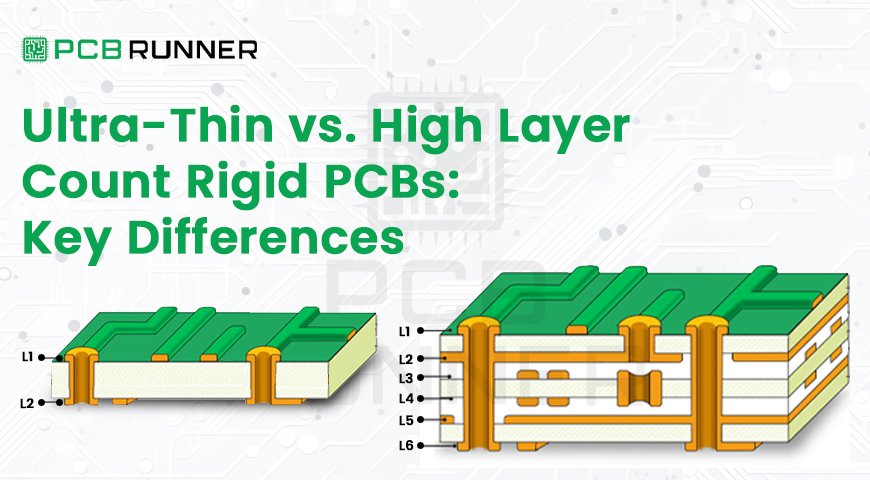
Two fundamental types of boards with only one or two layers of conductive materials over the substrate are single-layer and double-layer PCBs. Multi-layer printed circuit boards are well-suited to satisfy requirements for increased routing space or signal integrity. Multilayer PCBs, as opposed to single- and double-layer PCBs, stack several layers of conductive and insulating material to produce an intricate web of connections. Prepreg, substrates, cores, and copper layers are usually included in the stack-up. In PCBs, there are two different kinds of insulating or dielectric materials: prepreg and core.

Conclusion

After reading about PCB substrate, you may be unsure about where to make your purchase. A PCB substrate may not always need to be purchased separately. You can discuss your needs with a PCB manufacturer, like PCB Runner, by getting in touch with them. In order to jointly determine which Multilayer rigid PCBs substrates best suits your needs, you can have a discussion. In this sense, PCB Runner will be beneficial. There is an abundance of possibilities available to you due to the various varieties of PCB substrate. You may be confident that the FR-4 substrate will allow you to create a variety of circuit boards. If none of the possibilities on this list appeal to you, you may always ask us for suggestions.