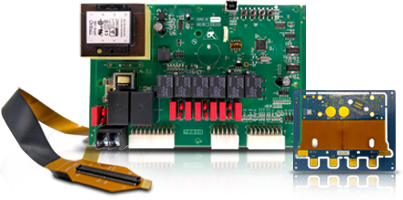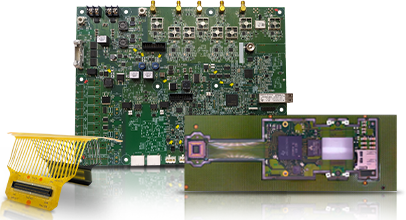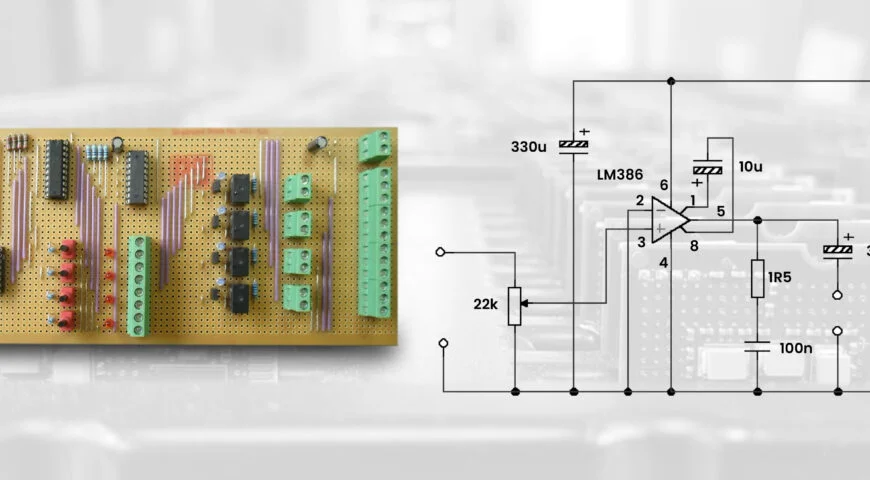
When working on electronic projects, you need a reliable way to build and test circuits before full production. While multilayer printed circuit boards are used for complex electronics, many engineers and hobbyists prefer Veroboard PCBs for prototyping. Veroboard, also known as stripboard, provides a simple and cost-effective solution for designing circuits without the need for professional PCB circuit board manufacturers.
Unlike flex and rigid PCB solutions, Veroboard does not require advanced fabrication. Instead, it allows you to manually build circuits by placing and soldering components onto a pre-drilled board with copper tracks. If you are new to Veroboard circuit design, understanding how it works can help you determine if it is the right choice for your project.
This guide explains how Veroboard works, its advantages, limitations, and key considerations to keep in mind when designing your circuit.
What is Veroboard?
Veroboard is a type of perforated circuit board with copper strips running along one side. These strips act as electrical connections between components. Unlike a custom printed circuit board, Veroboard does not require professional printed circuit board design software or specialized fabrication processes.
Main Features of Veroboard:
- Pre-drilled holes for easy component placement
- Copper tracks for electrical connections
- Requires manual cutting and soldering
- Supports through-hole components
This makes Veroboard an excellent choice for simple circuits and testing before committing to full circuit board assembly.
Advantages of Veroboard Circuit Design
1. Easy to Use and Modify
Veroboard is much simpler to use than designing a multilayer printed circuit board. You can quickly make changes, add new components, or rework your design without professional manufacturing tools.
2. Cost-Effective Prototyping
Building a custom printed circuit board can be expensive, especially for small projects. Veroboard allows you to prototype ideas without high costs.
3. No Special Software Required
Unlike printed circuit board design software, Veroboard lets you design directly on the board. You don’t need complex software tools or expensive licenses.
4. Ideal for Small Projects
If you are building a simple circuit, Veroboard is often a more practical option than a fully fabricated flex and rigid PCB.
Key Considerations for Veroboard Circuit Design
While Veroboard is useful, it also has limitations. Knowing these can help you design reliable circuits with fewer mistakes.
1. Careful Layout Planning
Unlike a multilayer printed circuit board, Veroboard lacks complex routing options. Planning component placement is essential to avoid overlapping connections.
2. Cutting Tracks Correctly
Since Veroboard has continuous copper strips, you must cut them at specific points to create separate electrical paths. Use a track cutter or sharp blade for precise cuts.
3. Space Between Components
Unlike professional circuit board assembly, Veroboard requires manual soldering. Keep components spaced properly to avoid shorts and overheating.
4. Limited to Through-Hole Components
Veroboard is not designed for surface-mount components. If your project requires a high-density interconnect layout, a professionally made custom printed circuit board is a better choice.
5. No Dedicated Ground or Power Planes
A multilayer printed circuit board includes layers for power and ground connections, improving signal integrity. Veroboard lacks this, making it more prone to interference.
How to Design a Veroboard Circuit
Step 1: Plan Your Circuit
Sketch your circuit on paper or use a simple digital tool to plan where each component will go. Ensure that tracks do not cross unnecessarily.
Step 2: Arrange Components on the Board
Place components strategically to reduce wiring complexity. Keep related parts close together.
Step 3: Cut Copper Tracks
Use a track cutter or sharp knife to break unnecessary connections. Double-check before soldering.
Step 4: Solder Components
Secure each component with solder, ensuring clean and reliable joints. Avoid excess solder that could cause short circuits.
Step 5: Test the Circuit
Before applying power, use a multimeter to check for shorts or incorrect connections. Fix any errors before turning on the circuit.
Veroboard vs. Custom PCB Manufacturing
| Feature | Veroboard | Custom PCB (Fabricated by PCB Circuit Board Manufacturers) |
| Ease of Use | Simple, requires manual soldering | Requires PCB design software and professional fabrication |
| Cost | Low | Higher, but more scalable for production |
| Component Type | Through-hole only | Supports through-hole and surface-mount |
| Customization | Limited | Fully customizable layouts |
| Durability | Moderate | High |
| Signal Integrity | Lower | Higher |
Veroboard is best for quick prototyping, while a professionally fabricated PCB is better for long-term projects and mass production.
When to Use Veroboard vs. PCB Fabrication
Use Veroboard When:
- You need a fast and low-cost prototype
- The circuit is simple and does not require advanced routing
- You are experimenting or learning about electronics
Use a Custom PCB When:
- You need compact layouts with surface-mount components
- The project requires reliable, mass-produced boards
- High signal integrity and performance are critical
Common Mistakes to Avoid with Veroboard
- Skipping Layout Planning: Leads to messy wiring and errors
- Not Cutting Tracks Properly: Can create electrical shorts
- Overheating Components While Soldering: Damages sensitive parts
- Ignoring Testing Before Powering On: Always check connections first
Avoiding these mistakes will help ensure your Veroboard circuit design is functional and easy to troubleshoot.
Conclusion
Veroboard is an excellent choice for quick and affordable prototyping. It allows you to test ideas before committing to a fully fabricated multilayer printed circuit board. While it has limitations, proper planning and careful assembly can make Veroboard a powerful tool for hobbyists and engineers alike.
If you need a custom printed circuit board for high-performance applications, working with PCB circuit board manufacturers is the best choice. They can provide optimized designs with better durability and performance.
Looking for a Custom PCB?
PCB Runners offers high-quality PCB fabrication services for all applications. Whether you need a multilayer printed circuit board or a flex and rigid PCB, we can help. Contact us today for expert support.
Frequently Asked Questions (FAQs)
1. What is the difference between Veroboard and a custom PCB?
Veroboard is a perforated board with copper strips, while a custom printed circuit board is professionally designed and manufactured for specific layouts.
2. Can Veroboard be used for high-frequency circuits?
No, Veroboard lacks dedicated ground planes and shielding, making it unsuitable for high-frequency applications.
3. How do I cut tracks on Veroboard?
Use a track cutter or a sharp knife to break copper connections where necessary.
4. Can I use surface-mount components on Veroboard?
Veroboard is designed for through-hole components. Surface-mount parts require adapters or alternative mounting methods.
5. Where can I get a custom PCB made?
PCB Runners specializes in custom PCB fabrication for all applications. Contact us for a quote today.