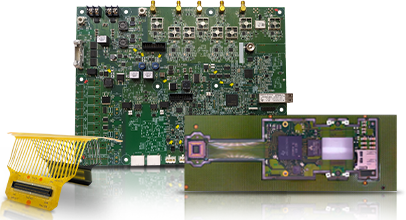
Flex Capabilities

For a cost-effective and reliable flex circuit design, pay special attention to Flex Capabilities. Such capabilities include:  material selection, process tolerances, manufacturing logistics, and the flex supplier, as each of them plays an important role.

For exceptional Flex Capabilities, We at PCB Runner assist you with DFM or Design for Manufacturing. It can minimize the overall program costs.
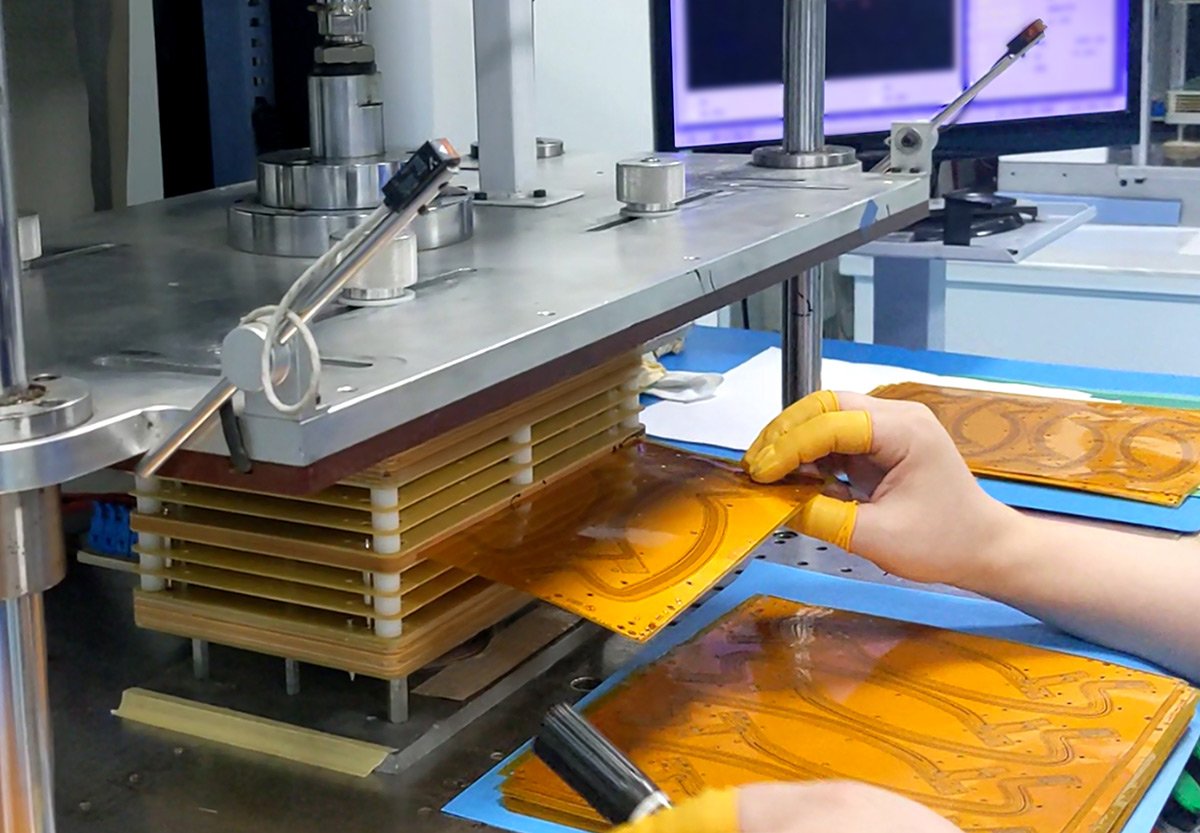
Our design team can help when your design requires tighter tolerances or special process treatments — just talk to us.
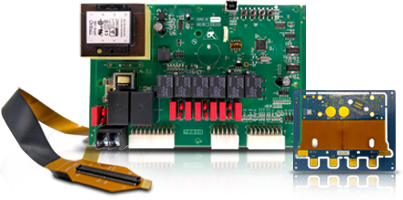
Material Selection
Polyimide (Thickness) 12 µm (0.0005”), 25 µm (0.001”), 50 µm (0.002”), 75 µm (0.003”), 15 µm (0.005”)
Copper (Thickness) 9 µm (0.25 oz), 12 µm (0.33 oz), 17 µm (0.5 oz), 35 µm (1 oz), 70 µm (2 oz)
Copper Foils (Rolled-Annealed) Polyester, Polyimide, PIC (Photo Imageable Cover Coat), LPI (Liquid Photo Imageable)
Stiffeners Phenolic Butyral, Acrylic, Customer Supplied
Thermo-Bond Adhesives Phenolic Butyral, Acrylic, Modified Epoxy
Surface Finishes Immersion Tin, Entek 106A, ENIG (Electroless Nickel Immersion Gold), Hard Gold,
Electrolytic Soft Bondable Gold, Tin/Lead Plating, and Hot Air Solder Leveling
Process Capabilities and Tolerances
Minimum Trace/Space 0.0015”/0.002” for 0.33 oz copper
0.002”/0.0025” for 0.5 oz copper
0.003”/0.0035” for 1 oz copper
Minimum Via Hole Dia (Before Plating) 0.006” (NC Drill)
0.002” (UV Laser)
Minimum Blind Via Dia (Before Plating) 0.004” (UV Laser)
Trace to Edge Distance 0.010” for NC Routing
0.008” for Die Punch method
0.001” for UV Laser
Trace to Edge Tolerance 0.005” for NC Routing
0.003” for Die Punch method
0.001” for UV Laser
Cover Layer Aperture Positional Tolerance 0.005” for Cover Film
0.002” for LPI and PIC
0.001” for Laser Ablation
Scroll to Top