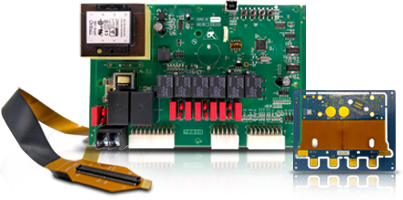
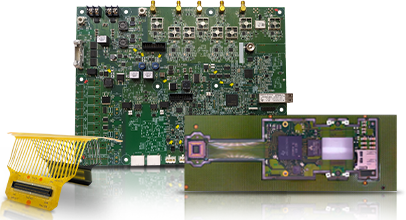
If you handle critical high-speed and complex multilayer designs, then you’ve probably heard about microvias. They play a significant role in high-density PCB design, and you’ll see them used almost everywhere today. Communication devices, medical equipment, IOT and computers, and even small wearable devices depend on them nowadays.
Here’s the thing. Many designers use microvias without really understanding how they work. That’s why this guide is here. At PCB Runner, we often help designers who want simple, straightforward answers about microvias, how they’re made, and how reliable they are. So let’s break it down in a way that makes sense and helps you make better choices for your HDI PCB board design.
Introduction to Microvias in HDI PCB Design
Microvias are tiny holes used to connect layers inside an HDI PCB board. They make it possible to pack more features into smaller circuit boards. When space is tight, microvias give you room to route signals cleanly and safely. You get better electrical performance and more layout freedom, even with tiny components.
If your goal is to design compact and reliable electronics, microvias are a tool you need to understand.
What Are Microvias
A microvia is a tiny, laser-drilled opening that links one PCB layer to the next. Unlike large through-holes, a microvia only moves one layer deep. This short distance helps improve signal speed and lowers heat buildup.
Microvias are usually less than 150 microns wide. By keeping them this small, manufacturers can fit more traces, pads, and components into the same space. That is why high-density PCB layouts depend on them.
Types of Microvias Used in HDI PCBs
Microvias come in a few basic types. Each one has its own job in the circuit.
- Blind microvias connect the outer layer to an inner layer
- Buried microvias stay completely inside the PCB
- Through microvias run from the top to the bottom
You will also hear the terms stacked, staggered, and skip-layer microvias. These refer to how the microvias are arranged in a vertical path.
Advantages of Microvias in Modern PCB Designs
So why use microvias at all? Here are the benefits you’ll notice right away.
- More routing space
- Better signal quality
- Shorter distance between components
- Lower electrical noise
- Improved thermal paths
- Support for fine-pitch BGA and small SMT parts
If you work with PCB fabrication UK partners, microvias often let you shrink the board without losing performance.
Microvia Size, Aspect Ratio, and Geometry
Here’s what matters most. The aspect ratio must stay low. A good rule is to keep the depth equal to or less than the diameter. This helps ensure strong plating and reduces the chance of cracks.
Most microvias have:
- Diameter between 80 and 120 microns
- Depth around 80 to 100 microns
- A small taper to help copper flow during plating
These details play a big part in microvia reliability.
Microvia Manufacturing Processes
You can’t talk about microvias without looking at how they’re made. The process is precise, and each step affects the final quality.
Laser Drilling for Microvias
Laser drilling is how most microvias start. The laser gives clean, tiny holes with controlled depth. It works well with many PCB materials and keeps the shape consistent from one via to another.
Sequential Lamination Requirements
HDI boards often require multiple lamination cycles. You build one section, drill the microvias, add more layers, and repeat. This step takes time but is needed for complex layer structures.
Plating and Filling Methods for Microvias
Microvias need strong plating. Many designs also need the vias filled with copper. This is important when you stack vias or use via-in-pad technology, because the surface must stay flat for soldering.
Stacked vs Staggered Microvia Structures
You have two main choices here.
Stacked Microvias
Stacked microvias sit directly on top of one another. They help route signals out of dense BGA packages. But they cost more to make and require a perfect copper filling to stay reliable.
Staggered Microvias
Staggered microvias are offset. They are easier and more reliable because each via sits on a solid laminate rather than on a filled via. The trade-off is that you need more routing space.
Blind, Buried, and Through Microvia Configurations
Designers combine different via types to match the needs of the board.
- Blind microvias connect outer layers to inner layers
- Buried microvias link inner layers only
- Through microvias go across the entire board
When you mix these correctly, you get cleaner routing and better electrical performance.
Reliability Concerns with Microvias
Microvias must survive heat, vibration, repeated reflow cycles, and long-term electrical stress.
Common concerns include:
- Copper cracks at the via base
- Plating voids
- Separation between layers
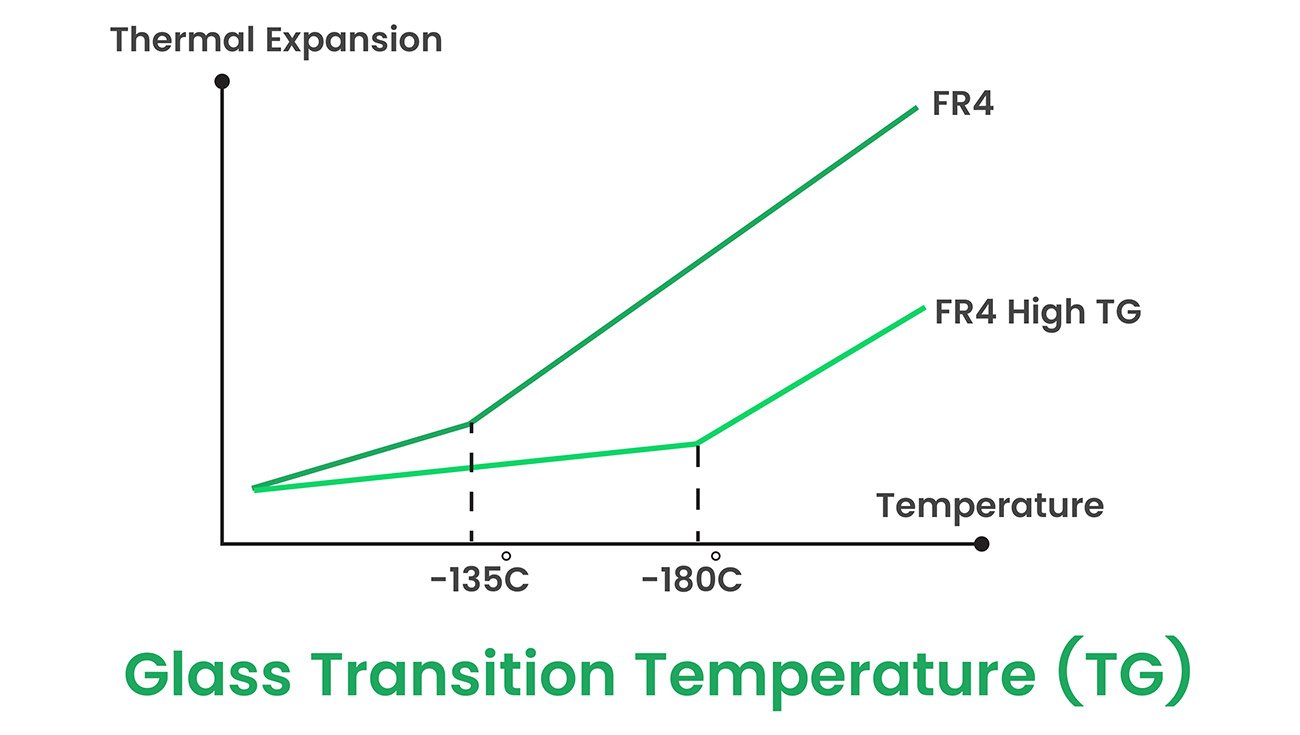
- Fatigue from thermal expansion
You can avoid many issues with a proper aspect ratio, strong plating, and correct material selection.
Common Failure Modes in Microvias
Here are the problems you might see if a microvia is not made or designed well.
- Cracks near the copper interface
- Voids inside the plated walls
- Breaks from repeated heating
- Poor adhesion between layers
These failures happen more often in stacked microvias than in staggered ones.
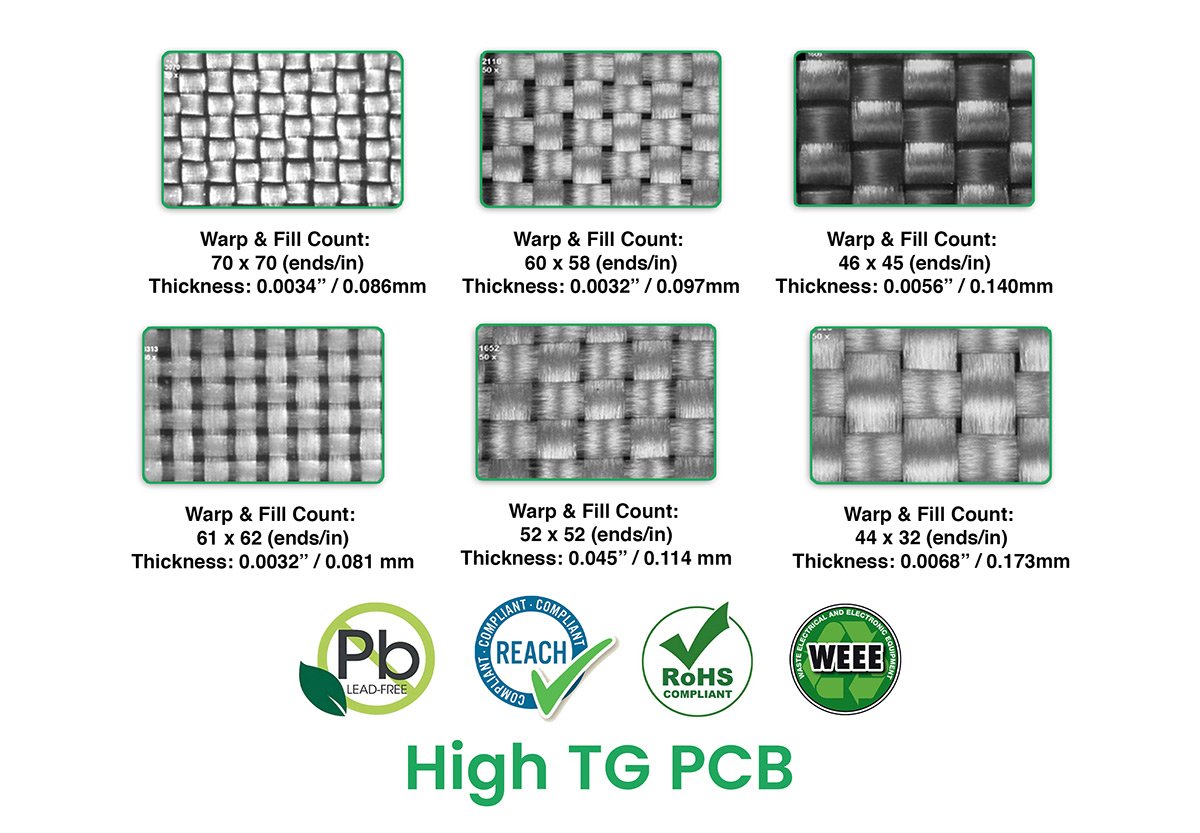
Material Selection for HDI Microvia Boards
The materials you choose matter a lot. Look for:
- Laminates with low thermal expansion
- Good bond strength between resin and copper
- Stable electrical properties
When materials expand too much under heat, microvias are more likely to crack. Good materials improve microvia reliability and lifespan.
Design Rules and Constraints for Microvias
Follow these rules to get a strong and dependable design.
Microvia Pitch and Routing Density
Boards with fine-pitch BGAs may need very tight microvia spacing. Always check the manufacturer’s limits before finalising your layout.
Thermal Management Considerations
Filled microvias can act as heat paths. Placing microvias under warm components can help move heat into the inner layers.
Electrical Performance Benefits and Challenges
Microvias reduce inductance and shorten the signal path. But be aware of impedance changes and crosstalk when you place many microvias close together.
Microvia Via-in-Pad Technology
If you work with dense BGAs, you’ll often rely on via in pad technology. It places the microvia directly under a component pad. This saves space and improves routing.
To make this work, the via must be fully filled and flattened. Any bump or void can cause solder issues. When done right, it improves electrical and thermal performance in HDI PCB board designs.
SMT and BGA Routing Using Microvias
Microvias make it much easier to escape tight BGA patterns. For fine-pitch parts, old through-hole vias simply take too much space. Microvias let you step out of each ball row without creating long, messy routes.
Inspection and Quality Control Methods
Manufacturers use several methods to check microvia quality.
- X-ray inspection
- Cross-section samples
- Plating thickness checks
- Mechanical stress tests
If you work with PCB fabrication UK partners, these steps are part of their standard process.
IPC Standards for Microvia Design
Microvias follow guidelines such as:
- IPC 2226 for HDI design
- IPC 6012 for performance requirements
- IPC 6018 for RF materials
These standards help maintain consistency and reliability.
Cost Factors in Microvia-Based HDI PCB Design
Microvias add cost because they need:
- Laser drilling
- Multiple laminations
- Extra inspection
- Copper filling
Even so, they often help reduce the total number of layers, which can lower overall board cost.
Best Practices for Reliable Microvia Implementation
If you want stable results, here are simple rules you can trust.
- Keep the aspect ratio low
- Use staggered vias when possible
- Choose quality laminates
- Avoid unnecessary stacking
- Follow IPC guidelines
- Work with experienced manufacturers
These steps reduce long-term failures and improve performance.
Future Trends in Microvia and HDI Technology
Microvias will continue to get smaller. HDI will support finer pitches and more layers. You’ll also see new materials with lower expansion rates and improved bonding. All of this will help microvias stay reliable as electronics shrink even further.
Conclusion
Microvias are a key part of any high-density PCB. They shape how you route, how your signals behave, and how small your board can be. When you understand their limits and strengths, you make better design decisions. With the proper planning and support from partners like PCB Runner, you can build HDI PCB board designs that stay reliable and efficient for years.
FAQs
What are microvias in high-density PCB design, and why are they used
Microvias are tiny laser-drilled holes that connect layers in a high-density PCB. They are used as stacked & staggered technology. They improve design layout routing, and support advanced Hi-speed requirements for HDI PCB board layouts.
How does microvia reliability affect HDI PCB boards?
Microvia reliability affects that how well the board survives heat and stress. Substantial plating and good materials help prevent cracks and failures in HDI PCB board designs.
What is via in pad technology, and how does it help HDI PCB design
Via in pad technology places a microvia right under a pad. It helps with fine-pitch routing and improves electrical paths in high-density PCB layouts.
Can PCB fabrication UK manufacturers produce microvia-based HDI boards?
Yes. UK based companies like PCB Runner have the tools for HDI, laser drilling, and copper filling. They follow strict testing to ensure microvia reliability.
What design choices improve microvia reliability in HDI PCB boards
Good material selection, low aspect ratio, proper plating, and staggered structures help in improving microvia reliability in HDI PCB board designs.