High-Density Interconnect (HDI) PCBs

Guidelines for High-Density Interconnect (HDI) PCBs

What makes modern electronics smaller, faster, and more powerful than ever before? The answer often lies in High-Density Interconnect (HDI) printed circuit boards. As the demand for compact and high-performance devices surges from smartphones to medical instruments and aerospace systems, HDI PCBs have enabled this technological evolution. With finer lines and spaces, smaller vias, and a greater number of interconnections in a smaller area, HDI technology allows complex circuits to be miniaturized without compromising on performance or reliability.

Yet, design and fabrication of HDI PCBs have their own challenges like optimizing functionality and manufacturability. Every decision, from layer stack-up and via configuration to materials selection and even signal integrity, needs to be evaluated very carefully within the implemented framework. This blog addresses the crucial principles, best practices, and technical guidelines that designers and engineers must follow to effectively navigate the complex landscape of HDI PCB design.

What Is a High-Density Interconnect PCB?

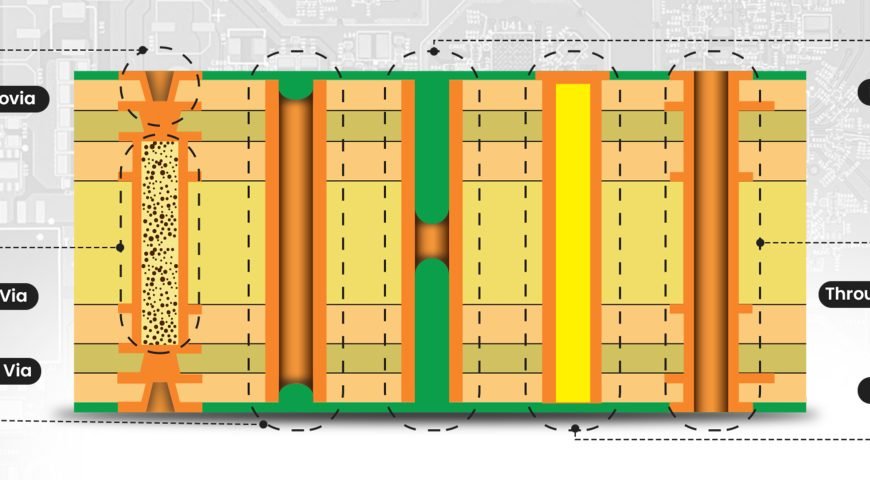
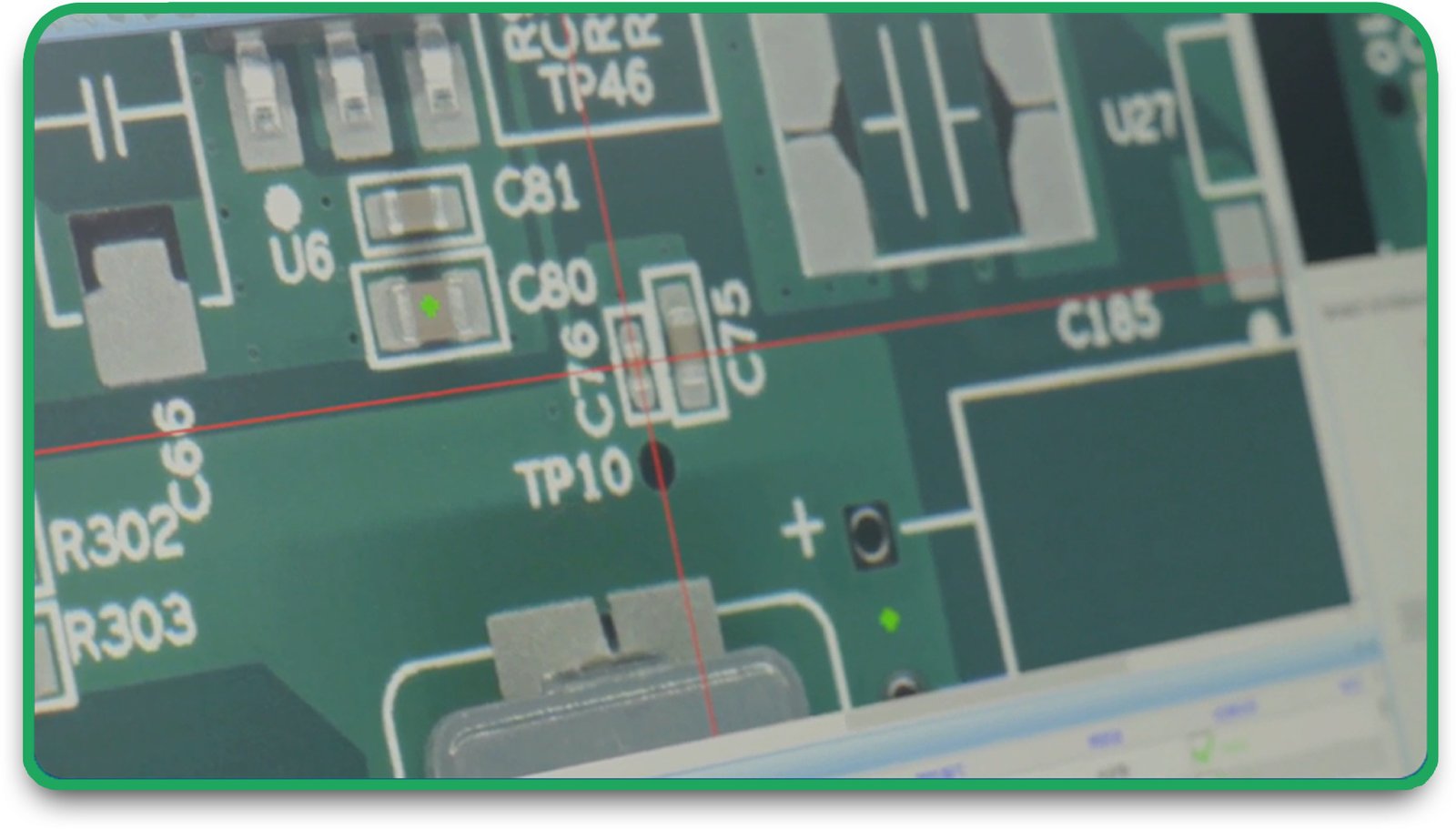
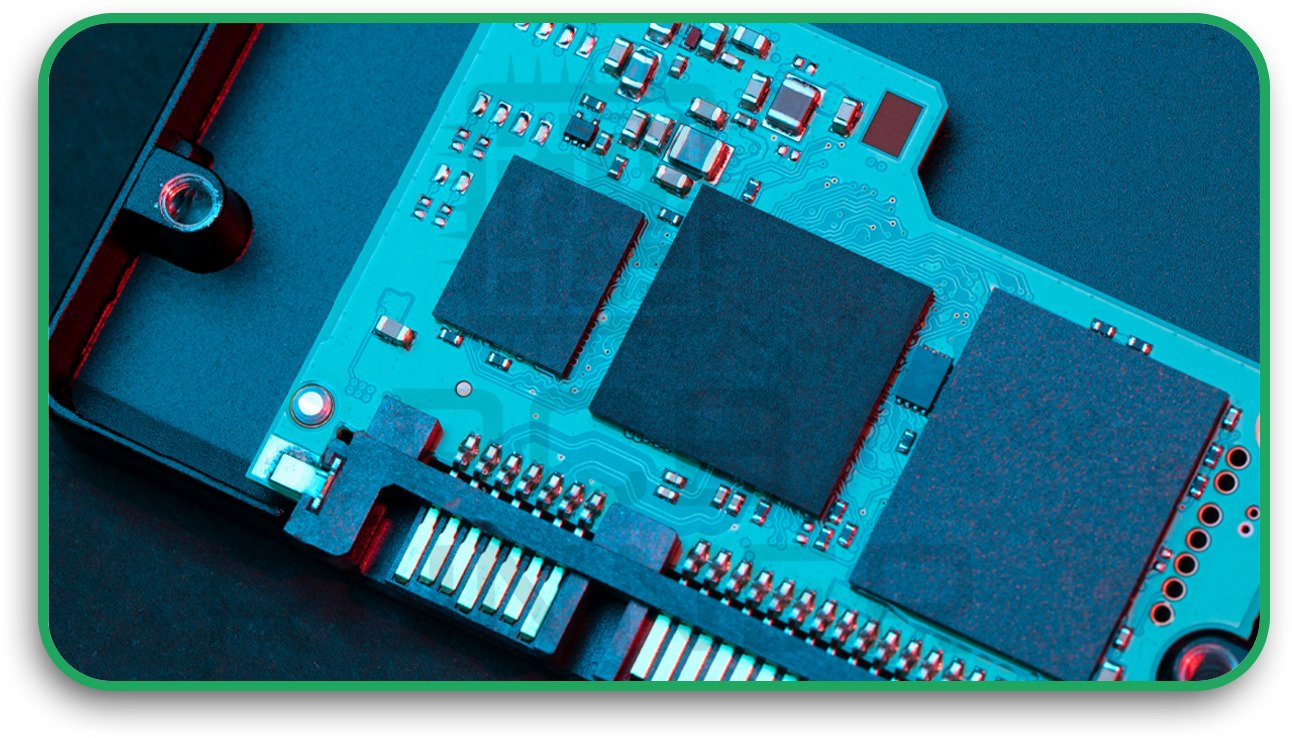
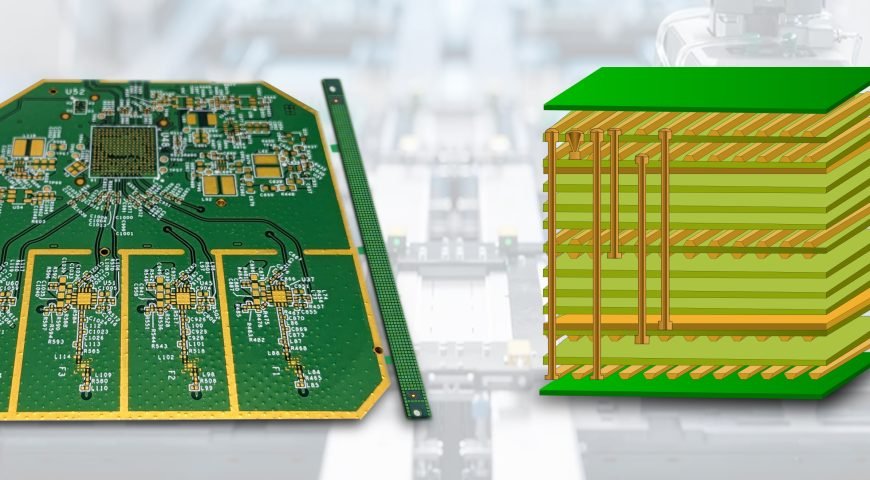
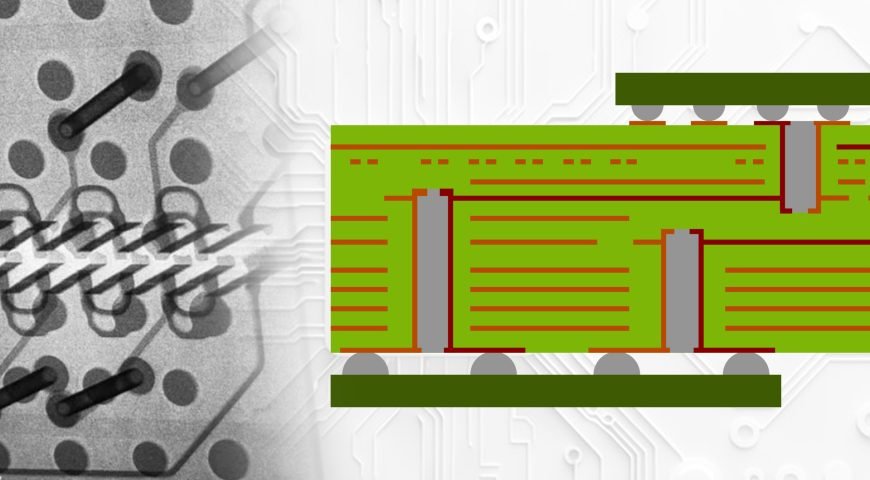
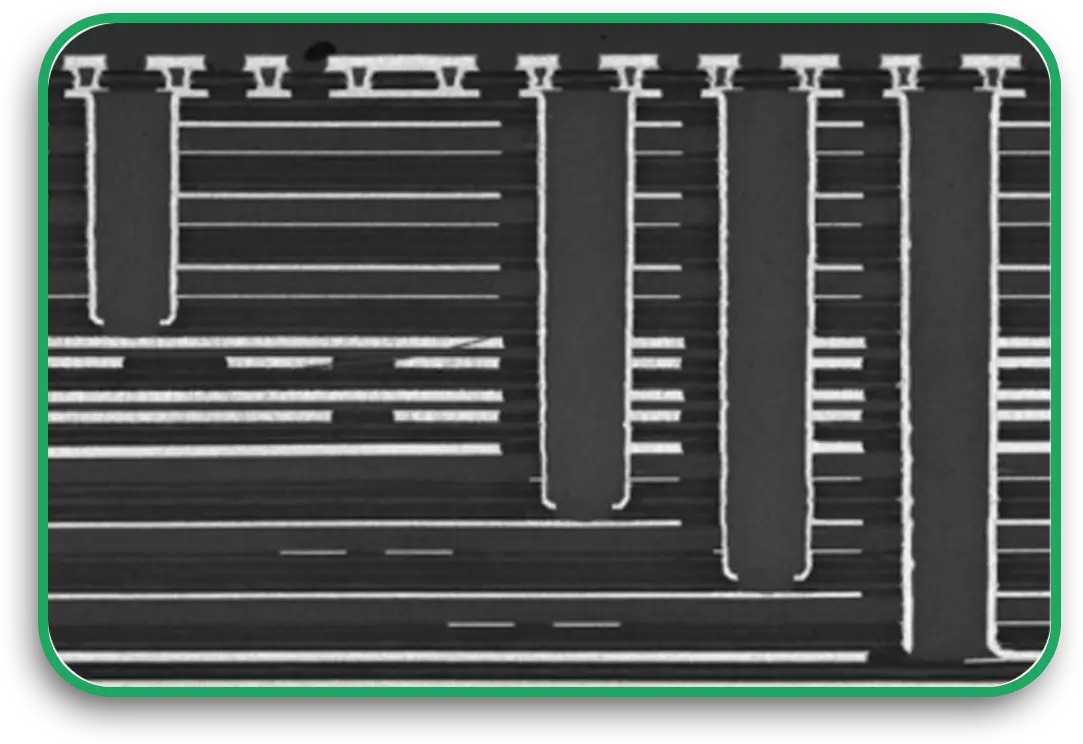
A high-density interconnect PCB uses smaller vias, thinner lines, and tighter spacing, which helps you fit more components in a smaller area. HDI boards can have micro vias, buried vias, and blind vias to connect different layers. These designs are often used in phones, tablets, wearables, and other small but powerful devices.

If you are working with a high-density board-to-board interconnect system, HDI PCBs provide the flexibility and density you need.
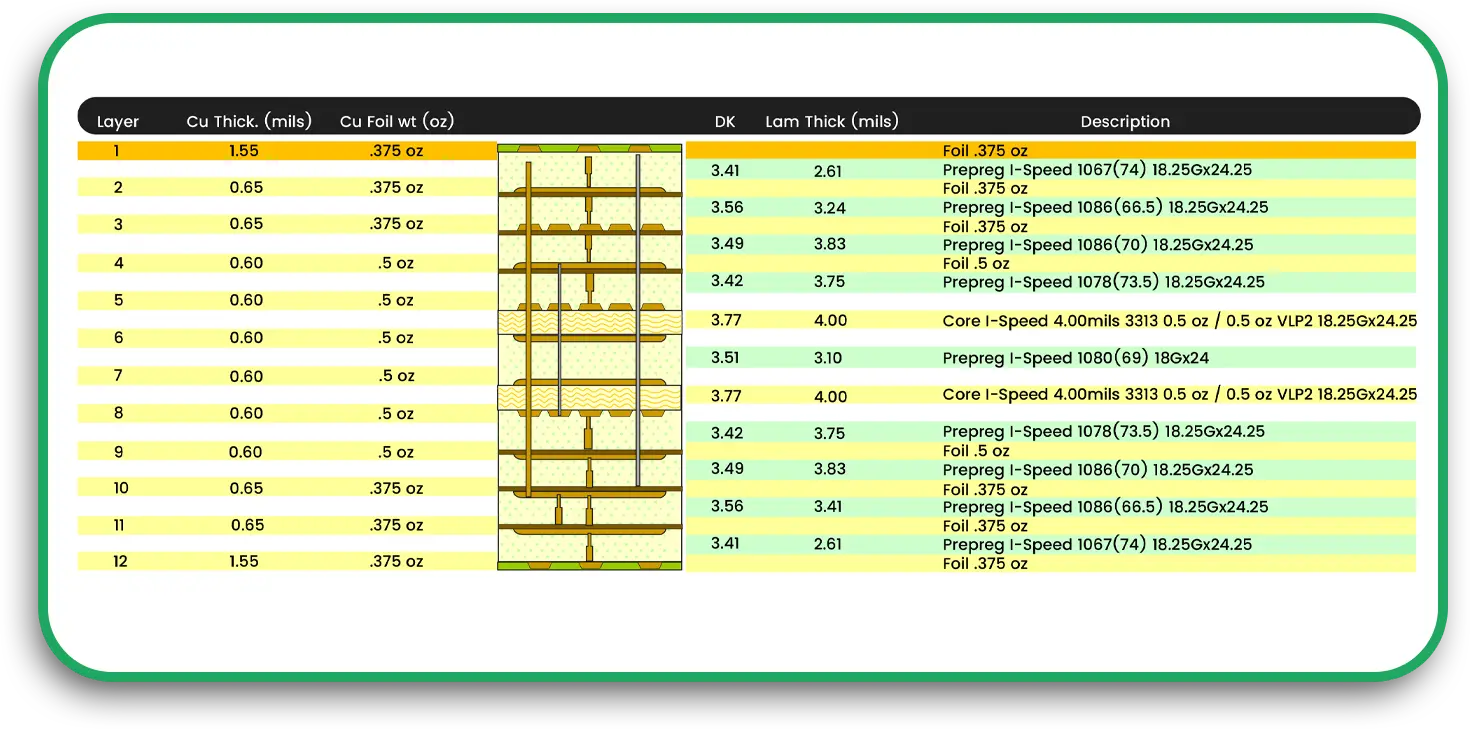
HDI Stackup

Why HDI PCBs Matter?

HDI PCBs are key in modern electronics for several reasons:

  • Space Saving: They allow for compact layouts without losing performance.
  • Better Signal Quality: Shorter signal paths mean less noise and faster signals.
  • Stronger Connections: Vias in HDI boards can be filled and stacked for better strength.
  • Lightweight and Thin: Great for wearables and portable tech.

When you switch to a high-density interconnect HDI PCB design, your device will become faster, smaller, and more reliable.

Design Tips for HDI PCBs

To get the best results with HDI, follow these basic rules:

1. Plan the Stack-Up Carefully

An HDI PCB has multiple layers. The layer stack-up affects how your signals move and how heat spreads. You may need:

  • A mix of signal, power, and ground layers
  • Controlled impedance layers for fast signals
  • Thin dielectric layers to reduce thickness

Work closely with your PCB board manufacturer to choose a stack-up that fits your needs.

2. Use Microvias Wisely

Microvias are tiny holes that connect one layer to the next. These are smaller than regular vias and are usually made with lasers. Here are a few best practices:

  • Keep microvias to one layer of depth
  • Avoid stacking too many micro vias on top of each other
  • Fill microvias for better soldering and strength

If you are using a high-density interconnect PCB, micro vias are your friend, but only if you use them correctly.

3. Watch Your Trace Widths

HDI means tight spacing. That means your trace width and spacing should be carefully controlled. Here is what you need to think about:

  • Make sure the trace width fits the current load
  • Use wider traces for power and ground
  • Keep spacing wide enough to avoid short circuits

Ask your HDI PCB manufacturer about the minimum trace width and spacing. This will help you avoid delays during fabrication.

4. Limit the Number of Layers

While HDI allows more layers, more is not always better. Every layer adds cost and complexity. Use smart routing and careful planning to reduce the number of layers in your multilayer printed circuit board.

For basic HDI designs, start with 6 to 8 layers. Only go higher if your design truly needs it.

5. Keep Heat in Check

Smaller boards and tight traces make heat buildup a concern. Use these ideas to keep your HDI PCB cool:

  • Use thermal vias to move heat to other layers
  • Add copper pours for heat spreading
  • Use materials with better thermal properties

This helps your board last longer and run better.

Challenges in HDI Design

HDI offers excellent benefits, but you may face some issues:

  • Higher Cost: More complex boards cost more to make.
  • Longer Lead Times: Special tools like laser drilling take extra time.
  • More Design Rules: You must follow strict layout and spacing rules.

A good printed circuit board manufacturer will guide you through these challenges. Make sure you communicate early and often.

Choosing the Right PCB Board Manufacturer

Not every fabricator can handle HDI. Look for someone with experience in high-density interconnect PCBs. Ask these questions:

  • Do you offer microvia and laser drilling?
  • What is your minimum trace width and spacing?
  • Can you build filled and stacked vias?
  • Have you made HDI boards before for similar applications?

The answers will help you find the right partner for your HDI project.

Testing and Inspection

Once your HDI PCB is made, it needs to be tested. Use these tools:

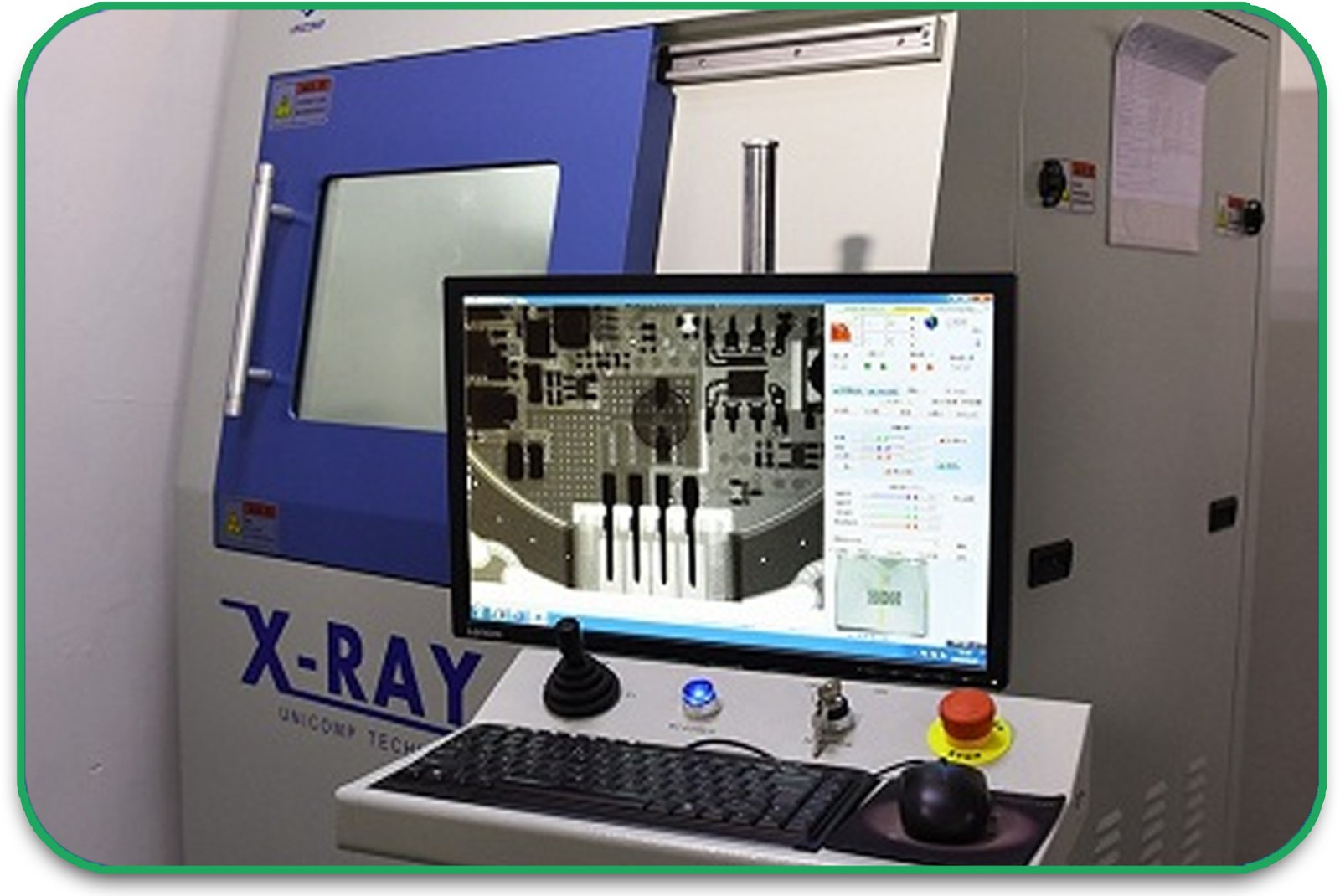
  • X-ray Inspection: Looks at buried vias and checks for voids
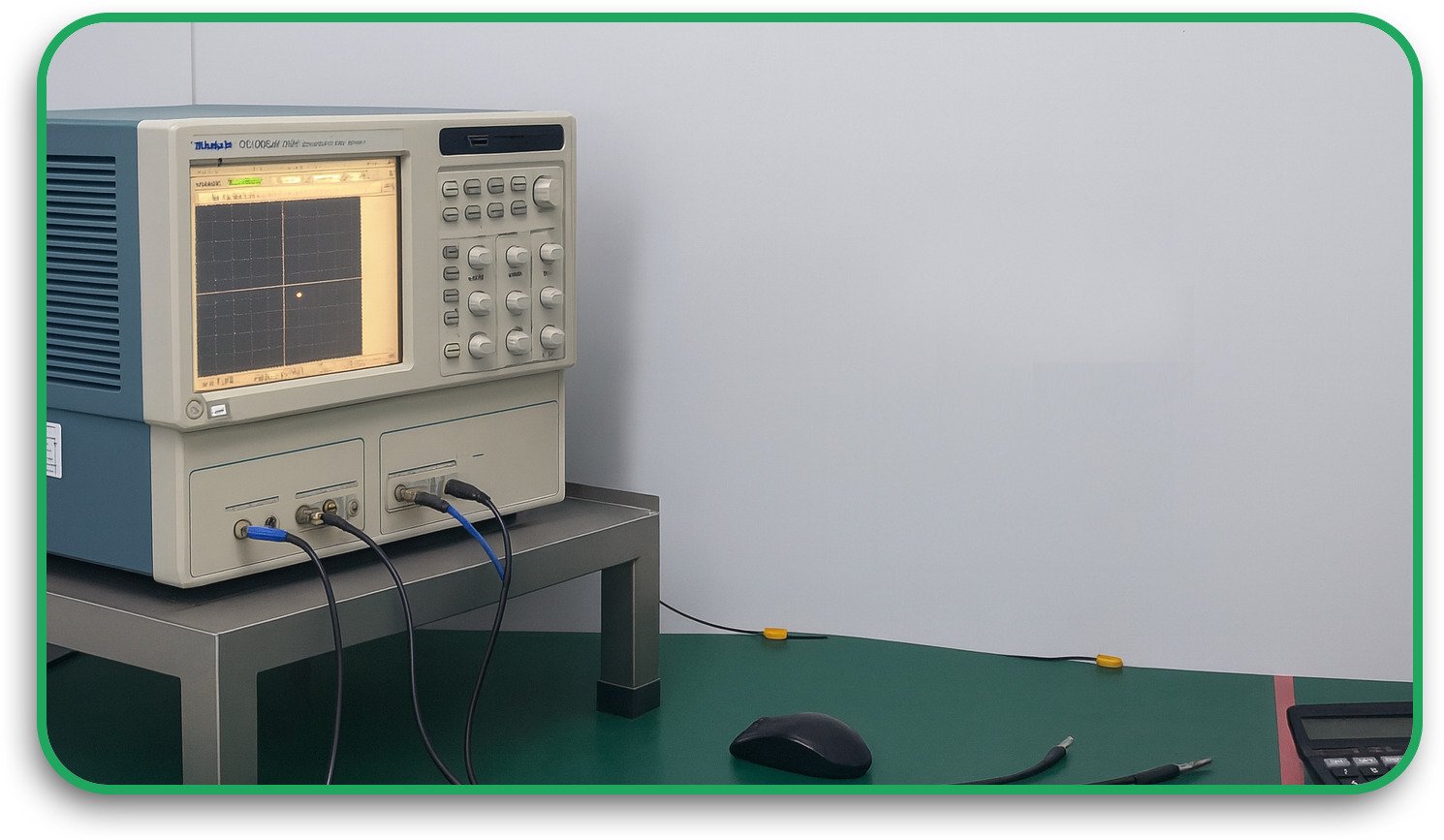
  • Electrical Testing: Checks for open and short circuits
  • Solderability Testing: Ensures parts stick properly to the board

Do not skip testing. Even minor flaws in a high-density interconnect PCB can cause significant problems later.

Tips for Cost Control

If you want HDI without going over budget, try these:

  • Use fewer layers when possible
  • Avoid stacked vias unless needed
  • Use standard materials if your design allows
  • Plan your design with the manufacturer from the start

Saving money begins with smart planning and simple designs. Work with your fabricator to stay on track.

Final Thoughts

High-density interconnect PCBs can improve your product by making it smaller, faster, and more efficient. But HDI is not just about squeezing things into tight spaces. It is about careful planning, smart design, and working with the right team.

If you are designing a high-density board-to-board interconnect, choosing a skilled HDI PCB manufacturer makes all the difference. With the right help, your HDI project can be a success. Make sure your next custom printed circuit board works the way you want it to. Follow the right steps and choose the right partner, and your high-density interconnect PCB will deliver the performance you need.
VeCS Stacks Up Against HDI

Cost and Efficiency: How VeCS Stacks Up Against HDI

If you are looking for better ways to reduce costs and boost performance in your printed circuit board designs, you might have heard about VeCS. This stands for Vertical Conductive Structure. It is a newer method that many engineers are now considering instead of High-Density Interconnect, also known as HDI. HDI has been around for years. It is used in many advanced devices because it can pack a lot of components into a small space. However, HDI can be expensive to make. This is where VeCS comes in. It offers a fresh take on making multilayer printed circuit boards more affordable and efficient.

What Is VeCS and How Does It Work

VeCS is a newer method used by printed circuit board manufacturers. Instead of using microvias and stacked vias like HDI, VeCS uses vertical slots or narrow channels to create connections between layers. This is important because microvias used in HDI are hard to make. You need special tools like lasers to drill them. Plus, microvias can only go down one layer at a time. This means you need more steps to build your board. VeCS, on the other hand, uses regular mechanical drilling tools. This makes it easier and cheaper for PCB board manufacturers to work with.

In VeCS, you also do not need as much copper plating. That helps you save time and money in the manufacturing process.

VeCS Stacks Up

HDI Basics and Why It Costs More

HDI stands for High-Density Interconnect. This technology is used in devices like smartphones, tablets, and wearables. HDI helps you connect many small parts in a small area. It uses micro vias, blind vias, buried vias, and sometimes stacked vias.

Here is the downside. Each of these steps takes time and special tools. For example:

  • Microvias need lasers to drill them
  • Blind vias only go partway through the board
  • Buried vias are hidden inside the board and require multiple steps

These features make HDI PCB boards very powerful, but they also make them costly. If you are making thousands of units, that cost adds up fast.

How VeCS Reduces Costs

VeCS helps reduce costs in many ways. Here are some clear examples:

  1. Simple Drilling: VeCS uses standard mechanical drills. These are cheaper than laser tools.
  2. Fewer Steps: Because you do not need to build each layer step-by-step, you save time.
  3. Less Plating: With VeCS, less copper is needed for plating the holes.
  4. Lower Scrap Rates: VeCS leads to fewer errors in production, so there is less waste.

All of this means you can get your custom-printed circuit board made faster and cheaper when using VeCS.

How VeCS Improves Efficiency

Cost is not the only benefit. VeCS also helps with signal quality and board performance.

In HDI, stacked vias can sometimes cause signal loss. This happens because each via adds resistance and creates minor electrical problems. When you are working on high-speed designs, this can be a big issue.

VeCS gives you shorter paths and cleaner signals. It also helps with better routing. That means your design will work better in real-life use.

Here is another point: HDI boards often get hotter because they are packed tightly. VeCS boards handle heat better, which helps your devices last longer.

When Should You Choose VeCS

VeCS works best when you need a reliable board but want to avoid the high cost of HDI. This can include products like:

  • Industrial controls
  • Automotive parts
  • Communication systems
  • Consumer electronics

If your design does not need ultra-high density like a smartphone, VeCS might be a wise choice.

VeCS also allows you to get more out of your multilayer printed circuit board without jumping into complex and costly HDI methods.

What Printed Circuit Board Manufacturers Think

Many printed circuit board manufacturers are now adding VeCS to their list of services. This is because they see how much it helps their customers save on cost and time. VeCS allows smaller companies to compete with larger ones by offering better prices.

As more PCB board manufacturers adopt VeCS, you can expect better support, more material options, and lower minimum order sizes.

One big bonus is that VeCS is easier to test. HDI boards with micro vias and stacked vias are harder to inspect, making quality control tough. VeCS uses open paths that can be seen and tested with regular tools, which means your boards are more likely to work the first time.

VeCS vs HDI: Key Differences

What to Ask Your PCB Manufacturer

Before choosing between HDI and VeCS, talk to your PCB board manufacturer about your project needs. Ask them:

  • Can VeCS support my component layout
  • Will I save time and money using VeCS
  • Do you have experience with VeCS design
  • What is the lead time for VeCS boards

Good printed circuit board manufacturers will help you make the right choice based on your design and budget.

Is VeCS Right for Your Next Project

If you want a better way to manage cost and performance, VeCS is worth investigating. It offers many of the same benefits as HDI but with fewer headaches. You get a strong, reliable, multilayer printed circuit board without paying for complex tools or extra steps. HDI PCB manufacturers still offer great options when your project needs the highest density and smallest size. But for many everyday devices, VeCS offers a better balance of cost and quality. By choosing the right method, you can stay on budget and still meet your performance goals. With more printed circuit board manufacturers supporting VeCS, it is becoming a trusted choice across the industry.

Before you start your next project, compare VeCS and HDI. You might find that VeCS is exactly what you need to build smarter, faster, and more cost-effective electronics.

AI in PCB Design

AI-Powered Simulations for Enhancing PCB Performance

Printed circuit boards (PCBs) are the foundation of modern electronics. Whether it is a smartphone, a medical device, or an industrial control system, PCBs play a crucial role in ensuring everything functions smoothly. With increasing complexity in electronic designs, AI-powered simulations have become an essential tool for improving PCB performance. By using artificial intelligence in PCB design, you can reduce errors, enhance efficiency, and optimize layouts before manufacturing begins.

The Role of AI in PCB Design

AI is transforming the way PCBs are designed. Traditional design methods rely on manual layout processes, which can be time-consuming and prone to errors. AI-based PCB design automates these processes, allowing you to test different layouts quickly and identify potential issues before production. This improves the quality and reliability of custom printed circuit boards.

AI-powered simulations analyze electrical performance, thermal behavior, and signal integrity in real-time. These simulations help PCB board manufacturers predict and resolve design flaws early, reducing costly revisions. By integrating AI in PCB design, you can streamline production, ensuring faster turnaround times and higher-quality boards.

Benefits of AI in PCB Layout and Design

AI-based PCB design offers several advantages over traditional methods. Some key benefits include:

  • Error Reduction: AI algorithms detect design flaws, such as signal interference or power distribution issues, before manufacturing.
  • Faster Prototyping: AI speeds up the prototyping process by analyzing multiple layout variations in minutes.
  • Optimized Component Placement: AI helps position components in a way that minimizes signal loss and improves performance.
  • Enhanced Thermal Management: AI simulations predict heat distribution and suggest ways to manage temperature more effectively.
  • Cost Savings: Reducing design errors means fewer prototype iterations, saving both time and money.

How AI-Powered Simulations Improve PCB Performance

Simulations play a crucial role in designing high-performance PCBs. AI-driven software can analyze different factors affecting performance, such as signal integrity, power efficiency, and electromagnetic interference. Let’s take a closer look at how AI-powered simulations improve these aspects.

1. Signal Integrity Analysis

Poor signal integrity can lead to data loss and reduced performance in electronic circuits. AI simulations analyze traces on a PCB to detect issues like crosstalk, impedance mismatches, and electromagnetic interference. AI-based PCB design tools adjust trace widths and routing paths to ensure stable and accurate signals.

2. Thermal Management Simulations

PCBs generate heat, and excessive heat can cause performance issues or even failure. AI-powered simulations predict how heat will spread across the board. AI suggests optimal cooling solutions, such as heat sinks, thermal vias, or improved airflow. This ensures that components operate at safe temperatures, improving the lifespan of the PCB.

3. Power Distribution Optimization

AI-based PCB design tools analyze power distribution across the board. They identify areas where voltage drops or power fluctuations could affect performance. AI optimizes the placement of power planes and ground layers to ensure even power distribution. This reduces energy loss and increases efficiency.

4. Electromagnetic Compatibility (EMC) Testing

PCBs must comply with electromagnetic compatibility standards to prevent interference with other devices. AI simulations test for EMC issues and suggest design changes to minimize unwanted electromagnetic emissions. This is particularly useful for wireless communication devices, where interference can impact performance.

AI in PCB Manufacturing and Production

AI is not only useful in design but also plays a key role in manufacturing. PC board manufacturers use AI-powered quality control systems to inspect boards for defects. AI-driven inspection tools analyze solder joints, component placements, and circuit connections to ensure everything meets high-quality standards.

Additionally, AI helps optimize the production process by predicting maintenance needs for manufacturing equipment. This reduces downtime and ensures a smooth production flow. By integrating AI in PCB fabrication, manufacturers can achieve higher efficiency and better product consistency.

AI-Based Prototyping and Testing

Prototyping is an essential step in PCB production. AI-powered simulations allow designers to test different prototypes virtually before physical production. This helps identify potential failures early, saving time and resources. AI also enhances automated testing, quickly detecting faults in assembled PCBs.

For example, AI can simulate real-world operating conditions and predict how a PCB will perform under different scenarios. This is especially useful for industries such as automotive, aerospace, and medical devices, where reliability is critical.

Future Trends in AI and PCB Design

As AI technology continues to advance, its role in PCB design and manufacturing will expand. Some emerging trends include:

  • AI-Driven Predictive Maintenance: AI will help predict potential failures in PCB manufacturing equipment, reducing downtime and improving efficiency.
  • Generative Design: AI will create multiple PCB design options based on performance requirements, allowing designers to choose the best configuration.
  • AI-Optimized Materials Selection: AI will analyze different materials to find the best options for conductivity, heat resistance, and durability.
  • Automated AI-Powered Assembly: AI will enhance the accuracy and speed of PCB assembly processes, reducing human error.

Choosing the Right AI Tools for PCB Design

If you are considering integrating AI into your PCB design process, selecting the right tools is important. Many AI-powered PCB design software options are available, offering features such as automated routing, real-time analysis, and design rule checks. When choosing a tool, consider:

  • Ease of Use: The software should be user-friendly and easy to integrate into your existing workflow.
  • Compatibility: Ensure the software supports your specific PCB manufacturing requirements.
  • Customization Options: Look for tools that allow you to adjust AI settings based on your design preferences.
  • Support and Updates: Choose a software provider that offers regular updates and customer support.

Conclusion

AI-powered simulations are revolutionizing PCB design and manufacturing. By incorporating AI-based PCB design, you can reduce errors, improve performance, and speed up the prototyping process. Whether you are working with a custom printed circuit board or a large-scale production, AI can help optimize layouts, enhance thermal management, and improve signal integrity. PC board manufacturers are increasingly adopting AI to ensure higher efficiency and reliability in production. As AI technology continues to advance, its impact on PCB design and fabrication will only grow. Investing in AI-powered PCB tools today can help you stay ahead in the rapidly evolving electronics industry.

PCBs Using Vias

Designing More Reliable PCBs Using Vias

PCBs are part and parcel of modern electronics and technology. With the aid of technology, Printed Circuit Board designs are more complex than before and often have multiple layers that are meant to provide better component performance with higher density. Multi-layered boards would not be functional without Vias. Vias provide the electrical interconnection of the layers of a PCB, allowing the signals and power to move across the board without any issues. While aiding in higher-level functions, if not appropriately designed, vias might create defects of weakness, poor solderability, and other reliability issues on the board. An understanding of various via types and their best placement creates robust and efficient PCB Design.

Different Types of Vias and Their Function

A via is a hole drilled into a PCB, plated with copper to form a conductive barrel that connects traces between different layers of the board. Depending on the method used to implement a via, it can have different uses on the PCB. There are three main types of vias used in PCB fabrication: through-hole vias, buried vias, and blind vias.

Through-Hole Vias

The most common of all via types is the through-hole via. It runs from the top layer of the PCB to the bottom, and the connection can be between any type of layer of PCB. Based on the design’s needs, the holes can be plated or non-lead through holes. As simple as the manufacturing process is, the holes are hefty in size and can cause issues if much of the available space is already limited.

Buried Vias

Solely associated with the inner layers of a multilayer printed circuit board, a buried via is concealed, which means it does not stretch to the top or bottom layers, therefore making it impossible to see from the outside of the PCB. For PCB designs that are high-density, these types of vias can help lessen surface space and make more compact surfaces. However, when compared to standard through-hole vias, they are more costly due to needing more intricate fabrication processes.

Blind Vias

Blind vias are a type of visa that starts from the outermost layer of the PCB, either the top or bottom layer and extends partially into an inner layer but does not extend fully through the board. They come in handy for designs that need high-density routing but need to save space on the outer layers. These are mostly used in high-speed compact PCBs where signal interference must be minimized.

The Role of Blind and Buried Vias in Modern PCB Design

Innovative designs for PCBs for applications such as telecommunications, medical devices, and automotive electronics makes use of blind and buried via because they can result in more compact yet reliable designs and improve performance. The benefits include:

  • Increase in Routing Density: They allow the use of more compact space on the PCB, reducing the total size of the board.
  • Enhanced Integrity of the Signal: Buried vias help increase signal quality for high-speed circuits by decreasing trace lengths.
  • Greater Reliability: The overall robustness of the PCB is improved due to blind and buried vias, which reduce the number of layers exposed to environmental stress and increase durability.

In Perspective of Geometry of Vias

The dimension of a via is one of the most vital considerations in the design of the PCB. While larger vias can provide better mechanical support and more substantial conductivity, they also occupy more area, thus increasing the complexity of routing traces. On the other hand, smaller vias take up less space but are weaker, particularly when it comes to higher loads.

Drilling accuracy guidelines for adequate mechanical strength hardware to drill holes for the visa should not be narrower than 20 mils.

7 mil resolution annular rings should be the minimum value for traces annular rings for suitable attachment to the traces and walls of your vias is to traces.

The ratio of the via depth to its diameter aspect ratio (the ratio of the via depth to its diameter) is not to be more than 6 to 1 (or 6:1) because of subsequent reliability problems.

Peripheral Activities Met with Mounting Hole Design

The physical characteristics of the materials making up the components or parts of the boards will dictate the behaviour of most of the other physical attributes that will be active while the VC operates. The board materials expand as the components heat up and shrink when cooled down. Inevitably, stress will be applied to the via, causing it to crack and leading to electrical failures.

Ways to lessen the impact of thermal stress: use low-stress matched CTE materials for the vias.

To improve mechanical strength, increase the thickness of the copper plating in The Buried Vias, which will absorb excess mechanical stress.

Placing holes for the via away Reduces the amount of thermal cycling created by the board.

Avoiding Solder Wicking in Vias

Solder pads that are too close to vias can result in solder wicking, which happens when molten solder flows into the via during the reflow of soldering, causing the pad to have insufficient solder. Solely relying on the pad’s solder can lead to exposed poor solder joints that would lead to component failure.

Ways of Minimizing Solder Wicking

  • Solder Mask Barrier: To prevent the solder from being drawn into the via, a solder mask can be strategically placed between the pad and the via.
  • Tented Via: If the via is covered with a solder mask, it completely seals the via, thus preventing the solder from flowing through.
  • Filled Via: When the via is filled with either non-conductive or conductive material and then covered with a tent, it provides a solid barrier against solder wicking and contamination.

Methods of Improving The Reliability of The PCB Vias

Adoption of modern approaches by fabricators is to increase the reliability of Vias in PCB designs, for instance, by:

  • Via-in-Pad Design: It improves routing by placing the vias under a surface-mounted component. It also reduces trace length, thus improving overall performance.
  • Back-Drilling: Commonly used in high-frequency applications, this method improves performance by removing unwanted stubs that reflect signals.
  • Laser-Drilled Microvias: Most prevalent in HDI PCBs, these small interconnect vias are reliable and improve routing while necessitating fewer layers.

Choosing the Best PCB Manufacturer for Via Design

You must select a reputable PCB manufacturing company if your designs contain vias. Blind and buried vias are accurately produced by experienced PCB circuit board manufacturers using modern fabrication methods. Ensure that the PCB fabrication services you consider provide:

  • Highly accurate drilling services
  • Stronger plating for enhanced via strength
  • Automated optical inspection (AOI) and X-ray analysis as quality control processes

Conclusion

PCBs cannot function accurately or reliably without vias. Regardless of using through-hole, blind, or buried vias, robust and effective planning, as well as design methodologies, are important to obtain high-performing and durable boards. Impacts of via size, placement, thermal matters, and solder wicking are critical to better PCB designs. By working with experienced PC board manufacturers and following best practices, the reliability, longevity, and effective performance of PCBs can be increased to withstand gruelling applications. Finally, putting effort in the right places via design results in compact and efficient electronic circuits that comply with industry standards.

IOT Devices

The Impact of the Internet of Things on the Growth of PCBs Found in Smart Devices

Smart devices have changed the way people interact with technology. These range from smartwatches to home automation systems, all of which rely on advanced printed circuit boards (PCBs) to work. With the expansion of the Internet of Things (IoT), the needs and importance for IoT PCBs continues to increase and is more pivotal than ever. IoT PCBs provide the backbone for numerous components to interface and guarantee that the devices communicate properly. Knowing how PCBs facilitate IoT technology is essential in the efficient design and manufacture of enhanced smart devices.

The Function of PCBs in IoT Devices

PCBs are the most essential component and vital for any device that uses the IoT ecosystem. IoT PCBs allow for accurate power distribution, data communication, and interfacing with other system components for power, data, and command signals. Rigid-flex circuits or multilayer PCBs are all available, but guidance is needed to choose the right one for a specific IoT application.

As the name suggests, IoT PCBs must be compact, versatile, dependable, and suitable for wireless communication. A myriad of IoT gadgets are designed with tiny, low-capacity PCBs integrated to enable Wi-Fi, Bluetooth, and even RFID tags. These boards must be designed with sufficient flexibility for several features while still ensuring maximum effectiveness.

Key Factors to Keep in Mind in Designing PCBs for IoT Devices

The actual design of a PCB for an IoT device requires significant attention. IoT devices usually function in compact surroundings; therefore, PCB designs must be created to enable miniaturisation. Below are some of the essential points which should be highlighted in IoT PCB designing:

  • Dimension and Scope: Size is a critical design criterion for IoT PCBs, as most of them have to be placed inside a small device.
  • Consumption: IoT devices are usually powered by batteries. Therefore, it is best to reduce the power consumed.
  • Integration: Wireless modules like Wi-Fi, Bluetooth, or NFC need to be appropriately integrated.
  • Dependability: Temperature and moisture resistance are essential because IoT devices are used in various realms.

Use of Multilayer PCBs in IoT Devices

Multilayer PCBs have long been in use for IoT applications. These types of boards are composed of conductive material in multiple layers to enable more complex circuitry within less space. These are some of the advantages when using a Multilayer IoT PCB:

  • Lowered Signal Interference: Data transmission becomes more reliable the more layers of a PCB there are because the interference of other signals is greatly decreased.
  • Reduced Size: More components can be packed onto the board without increasing its size.
  • Increased Capability: A multilayer PCB can enable highly integrated and complex routing, which is perfect for IoT devices with multiple connections.

To meet IoT needs, manufacturers implement state-of-the-art PCB manufacturing processes, such as fine-line etching, soldering techniques, and high-density interconnects (HDI), to build multilayer boards.

The Benefits of Flex and Rigid PCBs in IoT

  • Due to their advantages, flexible and Rigid PCBs are often used in IoT devices. 
  • Flexible PCBs are useful in the construction of wearables and medical sensors because they free up valuable space. 
  • Rigid PCBs, conversely, ensure device durability while acting as a support structure.  

Advantages of Flex and Rigid PCBs in IoT Devices:  

  • Ultra lightweight: Favorable for mobile, tiny devices.  
  • Highly durable: Can withstand bending and shaking.  
  • Improved Signal Efficiency: Minimises electromagnetic interference.  

Using the right type of PCB in IoT devices enhances their performance and longevity. The choice between Flex and Rigid depends on the intended application and surrounding conditions.

Challenges in PCB Production for IoT Applications

To meet the growing IoT requirements, PCB vendors must create high-grade boards that observe manufacturing constraints. Some challenges in PCB production for IoT include:

  • Miniaturisation: Reducing the size and height of an IoT device requires thinner and smaller PCB conduits, which require advanced moulding techniques.  
  • Material Selection: The choice of substrate material is critical to heat transfer, strength, and longevity, making the right decision essential.
  • Rapid Transfer Speeds: IoT PCBs need to enable quick data transfer while ensuring the signals do not weaken.
  • Safeguard: IoT-related PCBs need to have restricted access so that information can be secured from unauthorised access.

To address these issues, manufacturers deploy practices such as automated optical inspection (AOI), impedance control, and thermal management strategies for enhanced quality control.

IoT and HDI PCBs

High-Density Interconnect (HDI) PCBs seamlessly accommodate the IoT ecosystem. Such PCBs enable:

  • Alleviated Component Density: Squeezing more parts within a given volume.
  • Increased Speed of Transmission: Better performance and minimum signal degradation.
  • Reduced Power Usage: Usage of power consumption appropriate for devices operated by batteries.

Implementation of HDI PCBs increases the effectiveness and durability of IoT devices, which makes them preferable for high-end and compact devices.

Advancements in Design of IoT PCBs

New developments accompany the advancement of IoT PCB design strategies. Subsequently, there are other expected adjustments for IoT PCBs:

  • Advanced 5G PCBs: With IoT systems depending on high speeds, there is a need to support PCBs for 5G technology.
  • FHE: Merges standard PCBs with printed circuitry boards for versatile approaches.
  • Green boards: With the rise in concern about sustainable development, there is an effort to make PCBs from eco-friendly, lead-free materials.
  • Designed by AI: AI is used to optimise PCB design and increase process productivity.

How IoT PCBs Are Shaping Industries

IoT PCBs have an impact that transcends consumer electronics. Consider how they are affecting:

  • Healthcare: Intelligent medical devices, remote diagnosis, and wearable health monitoring.
  • Automotive: Internet of Things (IoT) in-vehicle systems, in-vehicle infotainment systems, and advanced driver assistance systems (ADAS).
  • Industrial Automation: Factory automation, predictive maintenance, and smart sensors.
  • Smart Homes: Home automation, connected appliances, and security systems.

Conclusion

The smart devices boom is boosting the relevance of IoT-enabled smart devices. Consequently, IoT devices rely on PCBs more than before. Choosing the appropriate Multilayer PCB, Flex and Rigid PCB, or cutting-edge IoT fabrication technology will guarantee optimal results and dependability. In the face of shifting PCB fabrication paradigms, suppliers must concentrate on IoT technology innovation, quality, and efficiencies to satisfy specifications. It is possible to construct economically viable ultra-low power smart devices with extended autonomy by knowing the PCB design for the Internet of Things.

Handle Toxic Waste in PCB Production

How to Handle Toxic Waste in PCB Production

Printed circuit boards, or PCBs, are essential in modern electronics. However, PCB production generates toxic waste that must be managed carefully. If you are involved in PCB fabrication, it is essential to understand how to handle this waste properly. Safe handling protects the environment, ensures compliance with regulations, and keeps workplaces safe.

Understanding Waste in PCB Production

When manufacturing printed circuits, several chemicals and materials contribute to toxic waste. Some of the primary sources include:

  • Heavy Metals – Copper, lead, nickel, and other metals are commonly used in PCB production. Improper disposal of these materials can harm water sources and soil.
  • Etching Chemicals – The process of removing unwanted copper from PCBs uses strong acids like ferric chloride and ammonium persulfate.
  • Soldering Residue – Soldering leaves behind flux and other chemicals that may contain hazardous substances.
  • Solvents and Cleaners – Cleaning PCBs involves alcohol, acetone, and other chemicals that can be toxic if released into the environment.
  • Plating Solutions – PCB production often involves electroplating, which uses solutions containing cyanide or other harmful chemicals.

Each of these waste types needs proper handling and disposal to reduce their environmental impact.

Steps to Handle Toxic Waste in PCB Manufacturing

1. Identify Hazardous Waste

The first step in handling waste is recognising what is toxic. PCB board production generates different types of waste, including solid, liquid, and gas byproducts. Tracking these materials helps ensure safe disposal.

2. Separate Waste Properly

Not all waste should be mixed together. For example, used etching chemicals should be stored separately from heavy metals. Using dedicated containers for different types of waste prevents dangerous chemical reactions and makes recycling easier.

3. Use Recycling Programs

Many materials used in circuit board production can be recycled. Copper, for instance, is highly reusable. Some PCB circuit board manufacturers partner with recycling facilities to process scrap materials safely. Recycling helps reduce the overall waste produced and lowers the demand for new raw materials.

4. Neutralise Hazardous Chemicals

Some toxic chemicals used in PCB fabrication can be treated before disposal. For example, acids from the etching process can be neutralised with alkaline substances. This reduces their harmful effects on the environment. Some companies use chemical treatment systems to manage waste on-site.

5. Follow Local and International Regulations

Every region has laws governing hazardous waste disposal. Whether you are working with a small PCB manufacturer or a large-scale factory, compliance is necessary. Many countries require permits for handling certain chemicals. Violating these regulations can result in fines and environmental damage.

6. Use Safer Alternatives

Some chemicals used in PCB board production have safer alternatives. For example:

  • Lead-free solder reduces the risk of lead contamination.
  • Water-based cleaners can replace harmful solvents.
  • New etching techniques, such as laser etching, produce less chemical waste.

Switching to eco-friendly materials helps minimise toxic waste while maintaining production quality.

7. Train Employees on Waste Management

Proper training ensures that workers handle hazardous materials safely. Employees should know how to store, transport, and dispose of waste correctly. Regular training sessions help reinforce safe practices and prevent accidents.

8. Invest in Waste Treatment Technology

Many PCB production facilities install waste treatment systems to manage toxic byproducts. Filtration systems can remove heavy metals from wastewater, while air scrubbers reduce harmful emissions. Investing in these technologies improves sustainability in PCB manufacturing.

9. Reduce Waste at the Source

Minimising waste generation is the best way to handle toxic materials. Some methods include:

  • Using precise manufacturing techniques to reduce excess material use.
  • Implementing closed-loop systems to reuse chemicals.
  • Optimising PCB design to require fewer harmful substances.

Benefits of Proper Waste Management in PCB Manufacturing

Handling toxic waste properly benefits both businesses and the environment. Here are some key advantages:

  • Protects Natural Resources – Safe disposal methods prevent water and soil contamination.
  • Improves Workplace Safety – Reducing exposure to toxic chemicals creates a safer work environment.
  • Enhances Company Reputation – Companies that follow environmental regulations gain the trust of customers and partners.
  • Reduces Costs – Recycling and waste reduction save money on material purchases and disposal fees.
  • Ensures Compliance – Following legal requirements prevents fines and legal issues.

How Manufacturers Can Lead Sustainable PCB Production

As demand for electronics grows, PCB production will continue to expand. Manufacturers must adopt responsible waste management practices to ensure a sustainable future. Some leading companies are already implementing green manufacturing processes, such as using biodegradable materials and energy-efficient production lines.

PCB circuit board manufacturers can also work with suppliers who prioritise sustainability. Choosing environmentally friendly materials and technologies makes a big difference in reducing the industry’s impact on the planet.

Conclusion

Handling toxic waste in PCB manufacturing is a critical part of responsible production. By identifying hazardous materials, following disposal regulations, and using recycling programs, PCB manufacturers can reduce environmental harm. Whether working with multilayer PCB designs or simple circuits, every step toward sustainable waste management improves the safety and efficiency of the industry. If you are involved in PCB production, take action to implement these strategies and contribute to a cleaner, safer future.

PCB Assembly

Ensuring PCB Assembly Success with Effective Testing Strategies

Effective testing is essential for ensuring the success of PCB assembly. Whether working with a prototype or a large production run, testing helps detect and resolve issues before they become costly problems. For PCB assemblers, comprehensive testing methods improve quality control, reduce failures, and ensure reliability.

Testing is a critical step in the PCB fabrication process. It helps confirm that all components function correctly, connections are secure, and the board meets performance expectations. This blog will explore the best testing strategies for PCB assembly, from initial inspections to advanced testing techniques.

The Importance of PCB Testing

PCBs are at the core of modern electronics. Any defect in a PCB can lead to malfunctions or system failures. Without proper testing, manufacturers risk delivering faulty products, leading to potential recalls and customer dissatisfaction.

Key reasons why PCB testing is crucial:

  • Identifies defects early in the production process
  • Ensures proper component placement and soldering
  • Prevents short circuits and electrical failures
  • Improves overall product reliability
  • Reduces manufacturing costs by minimizing rework

Testing is not just about preventing defects; it is also about optimizing the production process and ensuring that each PCB meets industry standards.

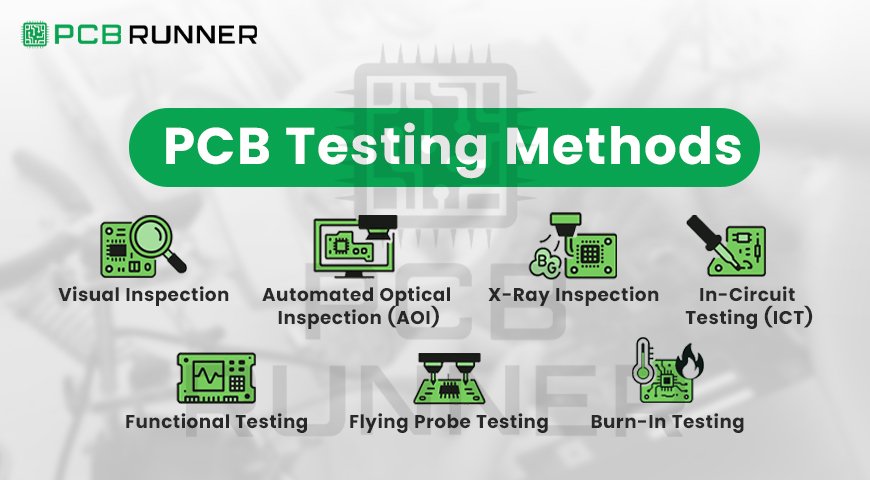
Key PCB Testing Methods

Visual Inspection

The first step in PCB testing is visual inspection. This method helps detect apparent defects such as misaligned components, soldering issues, or missing parts.

  • Identifies physical damage or contamination
  • Detects incorrect part placement
  • Ensures connectors and pads are properly aligned

While visual inspection is proper, it cannot detect hidden faults, making additional testing necessary.

Automated Optical Inspection (AOI)

Automated Optical Inspection (AOI) uses cameras and image processing to detect defects. This method is more efficient than manual inspection and helps identify issues like:

  • Soldering defects such as bridges or cold joints
  • Misaligned or missing components
  • Variations in solder paste application

AOI is widely used in circuit board assembly because it provides quick and accurate results.

X-ray Inspection

X-ray inspection is crucial for high-density interconnect PCBs and multilayer designs. It helps detect defects that are not visible through AOI, such as:

  • Voids in solder joints
  • Hidden cracks in traces
  • Misalignment in multilayer PCB assemblies

X-ray testing is beneficial for boards with Ball Grid Array (BGA) components, where connections are hidden beneath the package.

In-Circuit Testing (ICT)

In-circuit testing (ICT) checks individual components and connections on the PCB. This method verifies:

  • Resistance, capacitance, and inductance values
  • Voltage levels and signal integrity
  • Short circuits or open circuits

ICT is effective for detecting early-stage assembly defects before functional testing.

Functional Testing

Functional testing ensures the PCB operates as intended. It simulates real-world conditions to check:

  • Power regulation and signal flow
  • Communication between components
  • Response to inputs and outputs

Functional testing is essential for validating prototype PCB assembly before full production.

Flying Probe Testing

Flying probe testing is ideal for low-volume production and prototype PCB assembly. Unlike ICT, this method does not require custom test fixtures, making it more cost-effective.

  • Tests continuity and component functionality
  • Detects open and short circuits
  • Suitable for multilayer PCBs with complex layouts

Burn-In Testing

Burn-in testing evaluates how a PCB performs under stress. It involves operating the PCB at high temperatures and voltages to detect potential failures.

  • Identifies early component failures
  • Ensures reliability in extreme environments
  • Used for aerospace, automotive, and medical applications

Best Practices for PCB Testing

To improve PCB quality, manufacturers should follow these best practices:

  • Use multiple testing methods: Combining AOI, ICT, and functional testing ensures a thorough inspection.
  • Test early in the process: Catching defects early reduces rework and costs.
  • Implement real-time monitoring: Automated systems can track defects as they occur, improving efficiency.
  • Follow industry standards: Adhering to IPC and ISO guidelines ensures compliance with global quality benchmarks.
  • Train personnel: Skilled technicians can identify issues that automated tests may miss.

How Testing Enhances PCB Fabrication and Assembly

By incorporating rigorous testing strategies, PCB assemblers can:

  • Improve product reliability and longevity
  • Reduce defects and manufacturing delays
  • Lower production costs by minimizing rework
  • Ensure compliance with industry regulations
  • Deliver high-quality PCBs that meet customer expectations

Testing is not just about identifying issues; it is a crucial step in refining the manufacturing process and ensuring high-quality PCB assembly.

Conclusion

Effective testing is key to ensuring the success of PCB fabrication and assembly. By implementing a combination of visual inspection, AOI, X-ray testing, ICT, functional testing, and burn-in testing, manufacturers can detect and correct defects before they become serious problems. Partnering with a reliable PCB assembler that follows rigorous testing standards can help you achieve superior product quality. Whether you are working on a prototype or a large production run, investing in proper testing strategies will lead to better performance, reliability, and customer satisfaction.

Looking for High-Quality PCB Assembly?

At PCB Runners, we specialize in PCB fabrication, circuit board assembly, and testing solutions to ensure reliable and high-performance PCBs. Contact us today to learn how our testing strategies can enhance your production process.

Frequently Asked Questions (FAQs)

1. What is the most effective testing method for PCB assembly?
A combination of AOI, ICT, and functional testing provides the most comprehensive quality control.

2. Why is functional testing necessary?
It verifies that the PCB operates correctly under real-world conditions.

3. How does AOI improve PCB quality?
AOI quickly detects soldering defects, misaligned components, and other issues, reducing manual errors.

4. What testing methods are best for prototype PCB assembly?
Flying probe testing, AOI, and functional testing are commonly used for prototypes.

5. How can I ensure my PCB meets quality standards?
Work with an experienced PCB assembler that follows industry best practices and rigorous testing protocols.

Essential Inspection Techniques

Essential Inspection Techniques for High-Quality PCB Assembly

Ensuring high-quality PCB assembly is crucial for the reliability and performance of electronic devices. Any defect in the assembly process can lead to malfunctions, failures, or costly rework. This is why PCB assemblers rely on a range of inspection techniques to detect issues early and maintain high manufacturing standards.

From automated optical inspection (AOI) to manual visual checks, these methods help PCB fabrication facilities identify soldering defects, misaligned components, and electrical faults before final deployment. In this guide, we will explore the most effective circuit board assembly inspection techniques and how they improve overall PCB quality and reliability.

Why PCB Inspection is Important?

Modern electronic devices are becoming smaller, more complex, and densely packed with components. This makes it essential for PCB assemblers to use advanced inspection methods to ensure manufacturing accuracy and defect-free production.

Inspection plays a key role in:

  • Detecting soldering defects like cold joints, bridging, and insufficient solder
  • Identifying misaligned or missing components
  • Ensuring trace integrity to prevent electrical failures
  • Reducing rework and product recalls
  • Improving overall production efficiency

With multiple inspection techniques, manufacturers can maintain consistent quality while meeting industry standards for high-performance PCBs.

Key PCB Inspection Techniques

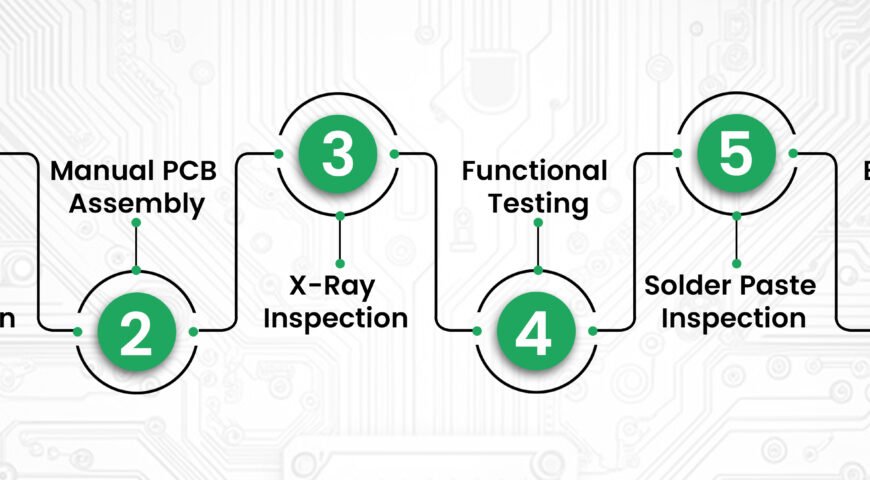
1. Automated Optical Inspection (AOI PCB Inspection)

Automated Optical Inspection (AOI) is one of the most widely used techniques in PCB fabrication. It uses high-resolution cameras and AI-driven image processing to scan boards for defects, soldering issues, and misaligned components.

Benefits of AOI in PCB Inspection:

  • Fast and efficient – Scans large batches of PCBs in seconds
  • High accuracy – Detects defects with precision down to micrometers
  • Non-contact method – Does not risk damaging the board
  • AI integration – Improves defect recognition and reduces false positives

AOI is ideal for inspecting Surface Mount Technology (SMT) boards with fine-pitch components. It ensures that every component is placed correctly and securely before moving forward in the assembly process.

AOI Inspection

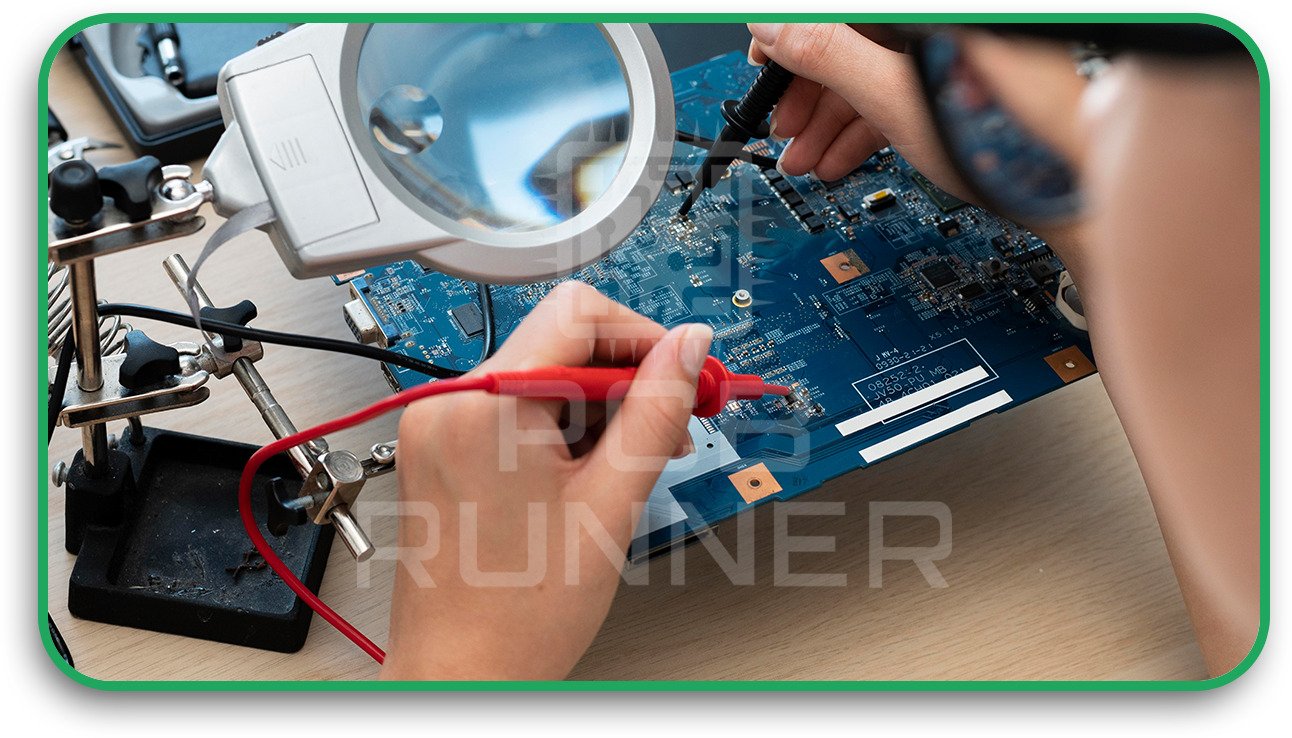
2. Manual PCB Assembly Visual Inspection

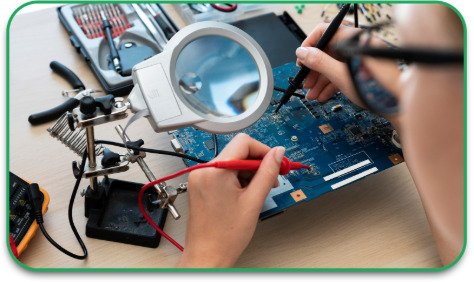
Despite advancements in automation, manual inspection remains an essential step in PCB fabrication. Skilled technicians examine boards using magnification tools, microscopes, and bright lighting to identify defects that machines might miss.

Why Manual Inspection is Important:

  • Detects subtle defects such as hairline cracks or irregular solder joints
  • Allows human judgment for complex PCB layouts
  • Useful for low-volume production or prototype testing

While manual inspection is effective, it is time-consuming and less reliable for mass production. That’s why it is often combined with automated testing methods to ensure thorough quality checks.

Visual Inspection

3. X-ray Inspection for Hidden Defects

For multi-layer PCBs or boards with Ball Grid Array (BGA) components, X-ray inspection is essential. This technique allows manufacturers to see through layers and inspect connections that are not visible to the naked eye.

Advantages of X-ray PCB Inspection:

  • Reveals hidden solder joints and internal traces
  • Detects voids, cracks, and short circuits
  • Non-destructive method for detailed analysis

X-ray inspection is widely used in high-reliability applications such as aerospace, medical, and automotive electronics.

X Ray Inspection

4. Functional Testing for Performance Validation

Once a PCB is assembled, it must be tested to ensure it works as intended. Functional testing involves applying power to the board and checking its response to various inputs.

Key Functional Testing Methods:

  • Boundary scan testing – Used for testing digital circuits with limited physical access
  • In-circuit testing (ICT) – Checks individual components and connections
  • Flying probe testing – A flexible alternative to ICT for small batch testing

Functional testing is essential in verifying PCB functionality, signal integrity, and power distribution. It helps manufacturers identify faulty components or design flaws before mass production.

Functional Testing

5. Solder Paste Inspection (SPI) for SMT Assembly

For Surface Mount Technology (SMT) PCBs, solder paste application is a critical step. Any issues with paste alignment, thickness, or consistency can lead to poor solder joints and defective boards.

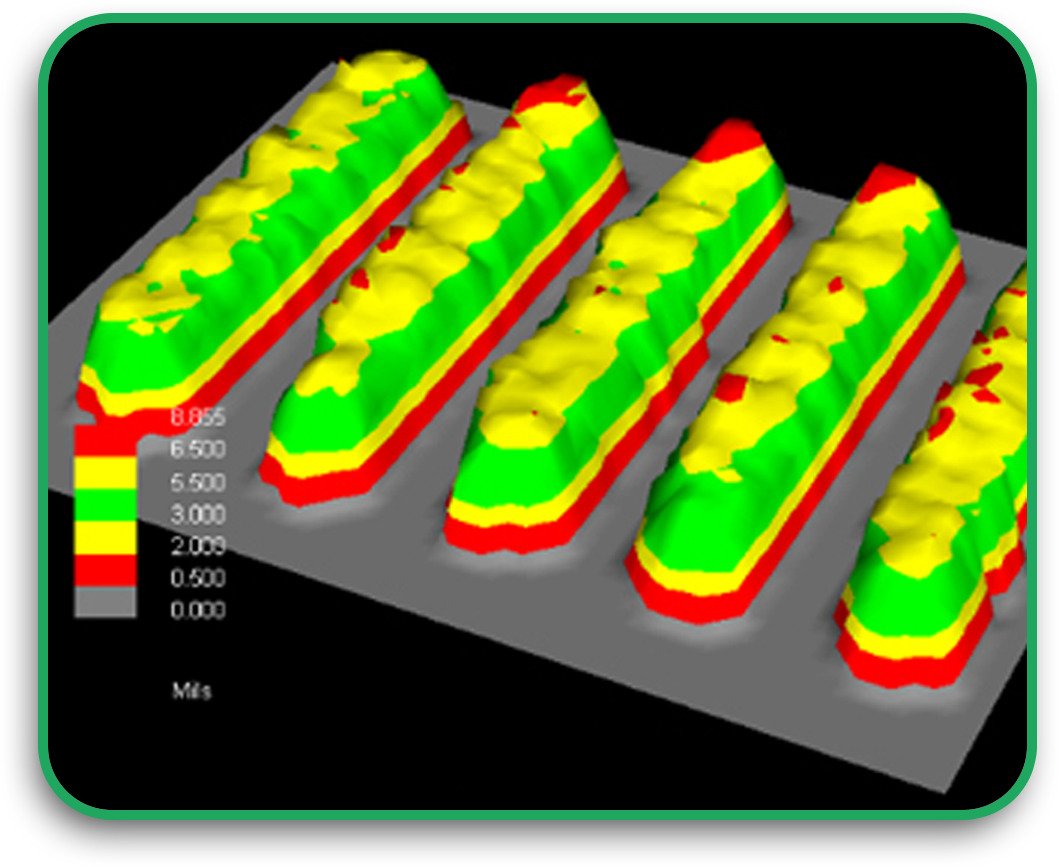
Solder Paste Inspection (SPI) uses 3D imaging and laser scanning to analyze solder paste deposits before components are placed.

Why SPI is Important:

  • Reduces soldering defects such as bridging or missing paste
  • Ensures even distribution of solder paste
  • Improves yield rates and reduces rework

Solder Paste Inspection

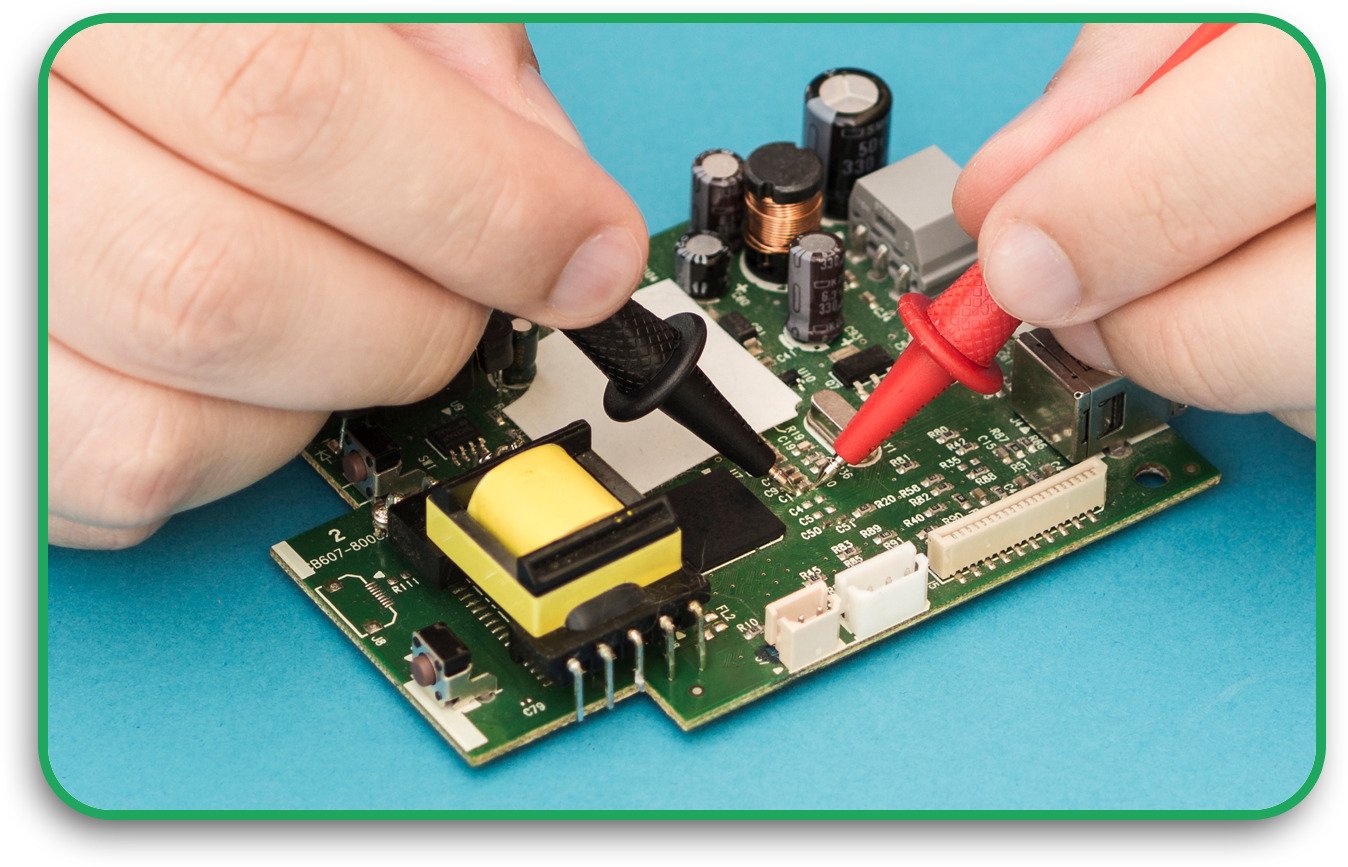
6. Electrical Testing for Short Circuits and Opens

To verify the electrical continuity of a PCB, electrical testing methods such as bed-of-nails testing or flying probe testing are used.

Key Electrical Testing Benefits:

  • Identifies open circuits, short circuits, and incorrect component values
  • Ensures power integrity across multiple layers
  • Prevents latent failures caused by weak connections

Electrical Testing

Best Practices for High-Quality PCB Inspection

To maximize the effectiveness of inspection techniques, PCB assemblers should follow these best practices:

1. Integrate Multiple Inspection Methods

Using a combination of AOI, X-ray, functional testing, and manual inspection ensures comprehensive defect detection.

2. Implement Real-Time Quality Control

Tracking defects in real-time allows manufacturers to identify process issues early and reduce waste.

3. Use Industry Standards for PCB Inspection

Following IPC-A-610 and ISO 9001 standards ensures that PCBs meet global quality requirements.

4. Train Technicians for Manual Inspection

Even with automated tools, skilled technicians play a vital role in verifying and troubleshooting defects.

5. Optimize Design for Manufacturability (DFM)

By designing PCBs for easier assembly and inspection, manufacturers can reduce errors and improve efficiency.

Why PCB Inspection is Essential for Your Project

Investing in high-quality PCB inspection leads to:

  • Better product reliability
  • Fewer defects and reduced rework
  • Lower production costs
  • Faster time-to-market

If you need reliable PCB fabrication and assembly, partnering with an experienced PCB assembler is key.

Conclusion

PCB inspection is a critical step in ensuring high-quality circuit board assembly. From AOI PCB inspection to X-ray analysis and functional testing, manufacturers use a variety of techniques to detect defects and improve reliability.By integrating advanced inspection technologies and following best practices, PCB assemblers can deliver superior-quality products that meet industry standards.

Need High-Quality PCB Manufacturing?

At PCB Runners, we specialize in precision PCB fabrication and assembly with rigorous inspection processes to ensure flawless performance. Contact us today for a free quote and experience top-tier PCB manufacturing services.

Frequently Asked Questions (FAQs)

1. What is AOI in PCB inspection?
AOI (Automated Optical Inspection) is a non-contact inspection method that uses cameras and image processing software to detect soldering defects, missing components, and alignment issues on PCBs.

2. Why is X-ray inspection important for PCB assembly?
X-ray inspection is used to detect hidden defects such as voids, cracks, and poor solder joints, especially in multi-layer PCBs and BGAs.

3. How does functional testing improve PCB quality?
Functional testing simulates real-world operating conditions to ensure the PCB performs as expected, identifying faulty components and circuit errors.

4. What are the most common PCB defects?
Common defects include solder bridges, cold joints, missing components, short circuits, and open traces.

5. How can I ensure my PCBs are high quality?
Partnering with a trusted PCB assembler, using advanced inspection methods, and following DFM principles will ensure high-quality PCBs.

Ultra-Multilayer PCBs

Ultra-Multilayer PCBs: Advancements in Circuit Design

As modern electronics evolve, the demand for ultra-multilayer PCBs continues to grow. These complex circuit boards allow for higher functionality, improved performance, and greater miniaturization in devices ranging from consumer electronics to aerospace systems. Multilayer printed circuit boards are now essential in applications where high-speed data transmission, power management, and space efficiency are critical.

For engineers, designers, and manufacturers, understanding the latest multilayer PCB design innovations is key to staying ahead in the competitive electronics industry. In this guide, we’ll explore how ultra-multilayer PCBs are advancing circuit design, their manufacturing process, and why they are vital for the future of electronic devices.

What Are Ultra-Multilayer PCBs?

A multilayer PCB board consists of multiple copper layers stacked together with insulating materials in between. While traditional PCBs have two to eight layers, ultra-multilayer designs can go beyond 50 layers, allowing for more intricate circuitry and increased electrical performance.

These advanced PCBs are widely used in high-speed computing, medical equipment, telecommunications, military applications, and aerospace systems, where complex electronic functions need to fit into compact spaces without compromising signal integrity.

Multilayer PCBs

Benefits of Ultra-Multilayer PCBs

1. High Component Density

With multiple layers, custom-printed circuit boards can integrate more circuits and components within a smaller area, making them ideal for miniaturized electronic devices.

2. Enhanced Signal Integrity

Ultra-multilayer PCBs use dedicated signal and power planes, reducing electromagnetic interference (EMI) and crosstalk, which is crucial for high-speed and high-frequency applications.

3. Improved Thermal Management

Advanced multilayer PCB fabrication techniques incorporate heat dissipation methods, such as thermal vias and copper planes, ensuring devices remain cooler and more reliable during operation.

4. Greater Design Flexibility

Engineers can customize multilayer PCB designs to meet the specific needs of automotive, industrial, and aerospace applications, offering versatile routing solutions for complex circuits.

5. Increased Reliability

Due to advanced material selection and manufacturing processes, multilayer PCB manufacturers ensure these boards offer higher durability and longer lifespans, making them ideal for mission-critical applications.

How Ultra-Multilayer PCBs Are Manufactured

1. Designing the PCB Layout

Using advanced PCB design software, engineers map out the circuit layers, component placements, and signal routing while ensuring compliance with industry standards.

2. Layer Stack-Up Planning

The PCB circuit board manufacturer carefully selects dielectric materials, copper thickness, and layer arrangements to optimize electrical performance and thermal management.

3. Inner Layer Imaging and Etching

Each copper layer is coated with photoresist material, exposed to UV light, and then etched to create the required circuit patterns.

4. Lamination and Layer Bonding

The layers are aligned and laminated together under high pressure and temperature, ensuring a strong bond between conductive and insulating materials.

5. Drilling and Via Formation

Precision laser or mechanical drilling creates micro vias, blind vias, and buried vias, allowing for interconnection between multiple layers.

6. Copper Plating and Surface Finish Application

The plated-through holes (PTHs) are coated with copper, enhancing conductivity and mechanical strength. A protective surface finish is applied to prevent oxidation and ensure solderability.

7. Testing and Quality Control

Each board undergoes electrical testing, automated optical inspection (AOI), and X-ray inspection to detect defects or inconsistencies before final assembly.

Key Design Considerations for Ultra-Multilayer PCBs

1. Signal Layer Arrangement

Placing high-speed signal layers between ground planes helps minimize EMI and signal loss, improving performance and reliability.

2. Thermal Via Placement

Using thermal vias helps in conducting heat away from power-intensive components, reducing the risk of overheating and component failure.

3. Via Structure Optimization

Different via types, including blind, buried, and stacked microvias, are used to optimize routing density and electrical performance.

4. Material Selection

Choosing low-loss materials, such as PTFE, FR-4, and high-Tg laminates, ensures greater durability and signal integrity in demanding applications.

5. Power Distribution and Grounding

Carefully designed power and ground planes improve voltage stability and reduce power noise, which is crucial for high-frequency circuits.

Applications of Ultra-Multilayer PCBs

1. Telecommunications and Networking

Ultra-multilayer PCBs are used in 5G infrastructure, fibre optic networks, and data centres, where high-speed signal transmission is essential.

2. Aerospace and Defense

Military-grade PCBs must endure extreme conditions, making custom-printed circuit boards with high-density interconnect (HDI) technology a critical choice.

3. Medical Devices

From MRI scanners to implantable medical devices, multilayer PCBs ensure high reliability and precision in healthcare applications.

4. Automotive and Electric Vehicles (EVs)

Modern vehicles require complex electronic control systems, including ADAS (Advanced Driver Assistance Systems), which rely on robust multilayer PCB designs.

5. Consumer Electronics

Smartphones, tablets, and wearables demand ultra-thin multilayer PCBs to maximize performance while minimizing size and weight.

Challenges in Multilayer PCB Fabrication

1. Increased Manufacturing Complexity

Producing ultra-multilayer PCBs requires advanced fabrication equipment and skilled engineers, adding to manufacturing time and costs.

2. Material Cost and Availability

Specialized dielectric materials and high-performance laminates can be expensive, affecting overall production budgets.

3. Quality Control and Reliability Testing

Ensuring consistent quality across multiple layers requires rigorous inspection and testing to prevent electrical failures or design flaws.

4. Heat Dissipation and Power Management

High-density circuits generate excess heat, necessitating efficient thermal management strategies, including heat sinks, thermal vias, and copper pours.

Future Trends in Ultra-Multilayer PCBs

1. Increased Layer Count for AI and High-Performance Computing

As AI and machine learning applications expand, PCBs with 50+ layers will become standard in high-performance computing.

2. Integration of Flexible and Rigid-Flex Technologies

Combining multilayer PCBs with flex and rigid-flex designs will enable more versatile and durable circuit solutions.

3. Advanced Manufacturing Techniques

Laser drilling, 3D printing, and automated assembly will further improve multilayer PCB fabrication processes.

4. Eco-Friendly and Lead-Free PCB Production

Sustainability is driving the industry towards greener manufacturing using RoHS-compliant materials and low-impact production methods.

Conclusion

Ultra-multilayer PCBs are shaping the future of electronics design, offering high-density integration, superior performance, and advanced durability. These custom-printed circuit boards are essential in telecommunications, aerospace, medical, and automotive applications, where precision and reliability are non-negotiable.With ongoing advancements in multilayer PCB manufacturing, companies can expect even greater efficiency, miniaturization, and functionality in next-generation electronics.

Looking for Expert Multilayer PCB Solutions?

At PCB Runners, we specialize in high-performance PCB fabrication and assembly, delivering custom solutions tailored to your needs. Contact us today for a free quote and experience cutting-edge PCB manufacturing!

Frequently Asked Questions (FAQs)

1. What is an ultra-multilayer PCB?
An ultra-multilayer PCB is a circuit board with more than 10 layers designed for high-speed, high-density electronic applications.

2. How are multilayer PCBs different from single-layer PCBs?
Multilayer PCBs have multiple copper layers, offering better performance, increased routing capability, and enhanced thermal management compared to single-layer PCBs.

3. What industries use ultra-multilayer PCBs?
Industries such as telecommunications, aerospace, medical devices, automotive, and consumer electronics rely on multilayer PCBs for complex electronic systems.

4. What materials are used in multilayer PCB fabrication?
Common materials include FR-4, PTFE, polyimide, high-Tg laminates, and ceramic-based substrates.

5. How do I choose a reliable multilayer PCB manufacturer?
Look for certifications, manufacturing experience, quality control measures, and customer reviews when selecting a PCB manufacturer.

Turnkey EMS

Turnkey EMS Providers Improve Quality of Products

Achieving quality, accountable, and efficient manufacturing output is imperative for seamless electronics production, especially for manufacturing turnkey EMS providers. These Electronic Manufacturing Services (EMS) providers are responsible for the entire value chain, including PCB fabrication and assembly, testing, packaging, and logistics. By integrating everything in one compartment, these firms are able to help businesses lower costs, improve timelines for production, and uphold impeccable quality.

If you are a start-up launching a novel device or a seasoned firm scaling up production, working with a turnkey EMS provider will improve the overall manufacturing experience. In this article, they will explain the factors concerning how turnkey EMS providers enhance product quality, what services they offer, and how to choose the correct partner for your business.

What is a Turnkey EMS Provider?

Turnkey EMS providers develop a company’s product design into a finished product utilizing in-house capabilities or through contracted suppliers. For example, they could implement procurement services, Assembly, and Test services, among others. Firms no longer have to cope with a myriad of vendors regarding PCB fabrication, components sourcing, assembly, and quality assurance.

There is increased efficiency due to time savings, lack of risk, and improvement in product quality. With the integration of engineering skills, efficient manufacturing, and depth in supply chain management, turnkey solution providers bestow businesses with effortless production.

EMS Turnkey Providers’ Tasks

1. PCB Fabrication

A Turnkey EMS service provider customizes its services and works with reputable PCB manufacturers to meet its customers’ specific fabrication services, such as:

  • Multi-layered PCB fabricating
  • Flex and rigid-flex PCB fabricating
  • HDI PCB fabrication
  • PCB material selection
  • PCB layer stack-up optimization

PCB Fabrication

2. Component Sourcing and Supply Chain Management

Electronics manufacturing faces numerous challenges, among which, sourcing high-grade components at favorable prices is challenge number one. The ever-increasing competition in the market makes it difficult to obtain genuine, good-quality parts at decent prices. An EMS provider can resolve these struggles with the help of its:

  • Network of global suppliers
  • Ability to negotiate better rates
  • Stability of the supply chain

Component Sourcing

3. PCB Assembly (PCBA)

PCBA is one of the final steps before the introduction of the product into the market. Unlike other companies, EMS providers demonstrate significant proficiency in the precise assembly of PCBs and offer various services such as:

  • Surface Mount Technology assembly (SMT)
  • Through Hole Technology (THT) assembly
  • Hybrid Assembly
  • Durable automated soldering techniques

PCB Assembly (PCBA)

4. Testing and Quality Assurance

Turnkey EMS service providers have implemented numerous measures to ensure reliability, one of them being advanced testing procedures. These include:

  • Functional Testing (FCT)
  • X-ray inspection of concealed solder joints
  • Automated Optical Inspection
  • In-Circuit Testing (ICT)

Testing and Quality Assurance

5. Box Build Assembly and Final Integration

EMS providers, in addition to support with PCB assembly, also provide full box build capabilities, where they design and implement:

  • Integration of the product
  • Casing and enclosure construction
  • Assembly of wires and cables
  • System configuration and software loading

Box Build Assembly (1)

6. Logistics, packaging, and after-sales support.

Most EMS providers offer assistance with the following:

  • Packaging tailored to your needs 
  • Products are shipped individually to the customer.
  • Together with warranty services, we also provide product maintenance.

Logistics, packaging

The Impact of Turnkey EMS Providers on Quality Improvement  

1. Achieving Quality through Conformance  

All processes of a turnkey EMS provider are executed through verifiable standard operating procedures which guarantee the same level of quality for every single lot produced.  

2. Lowered Error and Defect Rates  

 Using automated assembly with computer-aided inspection and precision testing eliminates the possibility of human error while decreasing the rate of defects.    

3. Shorter Time Required to Introduce the Product to the Market  

Improved workflow in production allows for faster rollout of products, enabling companies to outperform competitors.  

4. Lower Operating Costs  

With numerous vendors, cost escalation is inevitable. A turnkey EMS provider reduces costs without lowering the service level by streamlining supply chains.  

5. Meeting Industry Requirements  

Most reputable EMS providers ensure that their products meet internationally accepted quality requirements, such as:   

  • ISO 9001:2015 (Quality Management Systems) 
  • IPC-A-610 (Electronic Assemblies Acceptability)
  • RoHS (Restriction of Hazardous Substances)
  • ISO 13485 (Medical Device Manufacturing)

Good Practices for Selecting a Turnkey EMS Partner  

While choosing an EMS partner, specifically, monitor their:  

 1. Capability Claims  

Confirm they have experience in supplying your application’s PCB fabrication, assembly, and testing.  

2. System for Quality Assurance  

Do they provide in-house product testing, certifications, and reliability tests for consistent outcomes?

3. Supply Chain Robustness

A reliable supplier network guarantees the availability of authentic parts and reduces the possibility of delays or scarcity.

4. Flexibility in Production

Your EMS contractor ought to manage both low to mid-range and high production volumes without sacrificing the quality or speed of delivery.

5. Communication and Customer Service

It is essential to select a partner that guarantees reliable communication and prompt response to customer and technical support requests.

Recent Developments in Turnkey EMS Manufacturing

1. Smart Manufacturing and Industry 4.0

Most EMS contractors have incorporated the use of AI-powered robotics automation, IoT integration, and industrial data analytics to enhance the efficiency of their production processes.

2. High-Density Interconnect (HDI) PCBs

As the world becomes more technology-inclined, EMS contractors are increasingly becoming proficient in the fabrication of miniaturized electronics, and therefore, specializing in HDI PCB fabrication becomes mandatory.

3. Environmentally Sustainable and Lead-Free Manufacturing

With the adoption of RoHS guidelines, many EMS contractors are beginning to utilize lead-free soldering and eco-friendly materials.

4. Rigid-Flex and Flexible PCBs

EMS contractors can now fabricate flexible PCBs intended for use in wearable devices, medical implants, and aerospace applications.

5. Quality Control Using Artificial Intelligence

Quality control is improved by automated error detection employing AI, thus increasing yield rates and product reliability.

Final Thoughts

Working with a turnkey EMS provider ensures better product quality, lower production costs, and faster delivery times. These providers simplify the manufacturing process by assuming full responsibility for PCB fabrication through to final assembly and guarantee the delivery of high-reliability electronics. Partnering with a reliable EMS provider can help you maintain quality standards while bringing your PCB-manufactured products to market faster than anticipated.

Are You in the Search for Dependable EMS Services?

PCB Runners is here to monetize your ideas and projects by providing you with effortless turnkey PCB design and assembly services. Reach out for a free estimation today!

FAQs

1.What comes to mind when discussing a turnkey EMS provider?
A turnkey EMS provider assumes full responsibility for the production of electronics including board design, board assembly, and product assembly and shipping.

2. What are some advantages of using a turnkey EMS provider?
A cut in costs, fewer mistakes, an increase in production speed, and an overall better product are all advantages gained by using an EMS provider.

3. How does the product quality assurance system work with an EMS provider?
High reliability of products is achieved through numerous stages of testing, automated assembly processes, and following certain industry standards by an EMS provider.

4. What sectors does remote EMS service provide help?
Consumer electronics, medical, aerospace, automotive, and industrial automation are some industries that purchase equipment through EMS providers.

5. What steps do I take to find suitable and reliable EMS for my project?
When looking to partner with an EMS, their technical capabilities, levels of quality control, supply chain, ability to scale, and customer service responsiveness should be considered.