Types of PCB Sensors and Their Impact on Performance

With regard to PCBs, stakeholders at all levels will know that sensor PCB boards are one of the most impactful parts of modern electronics. Sensors work seamlessly today; they detect motion, manage the temperature in industrial regions, or sense gas for safety.

PCBs that serve functional sensors are expected to be accurate, dependable, and incredibly efficient. With the advancement in technology, sensors are PCBs have become one of the most integral components enabling devices to interface with their surroundings cognitively.
With such complexity, engineers expect the utmost precision from the device’s components. Therefore, each type of PCB sensor should be differentiated appropriately to enhance its performance and functionality.

Relying on the right sensor type selection, PCB design optimization, and high-quality manufacturing increases an electronic device’s ability and accuracy while ensuring durability.
For expert PCB design and manufacturing services, look no further than Runners PCB. They provide high quality sensor PCB boards customized to meet your unique requirements.
Types of PCB Sensors and Their Impact on Performance

What Are PCB Sensors?

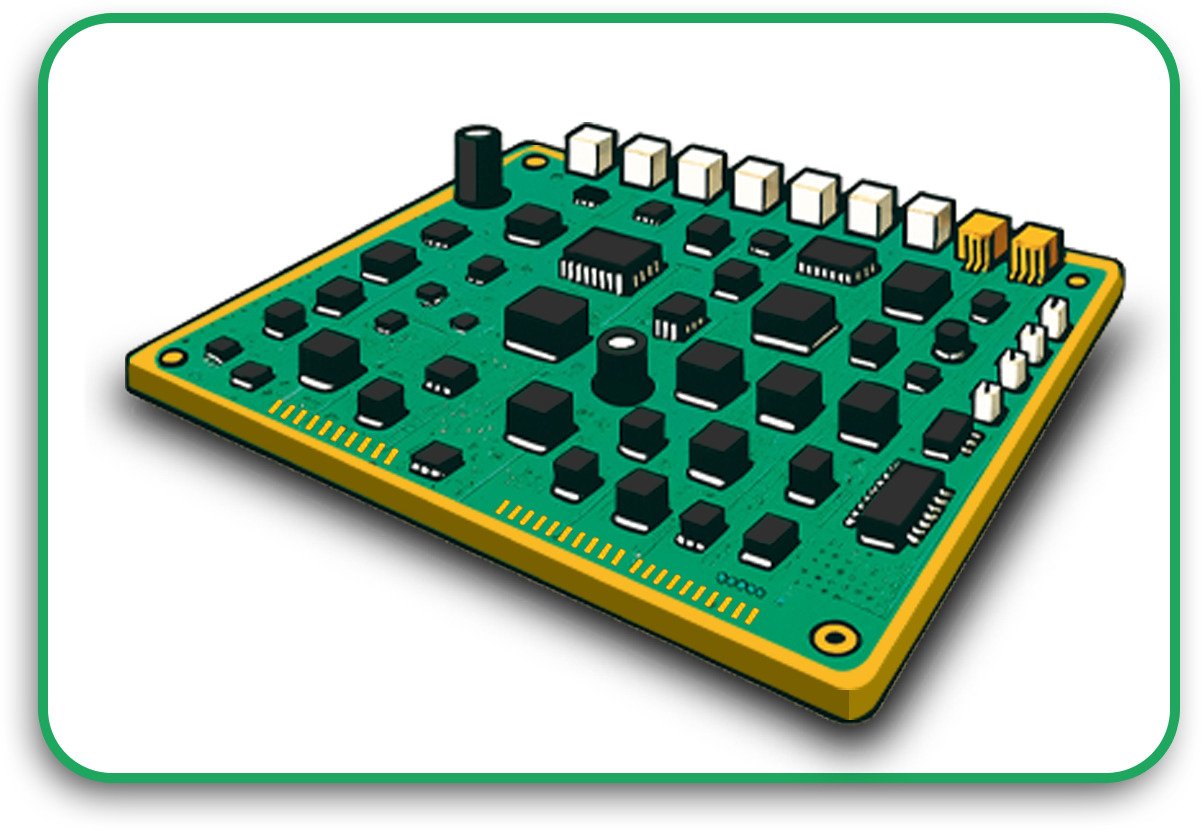
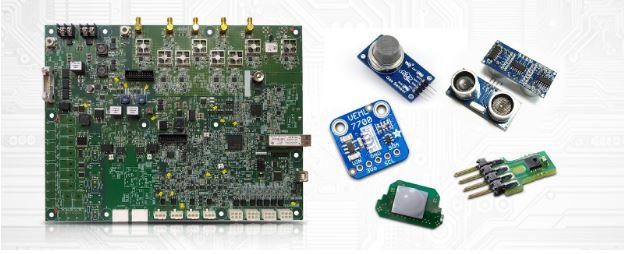
PCB sensors are an assembly of electronic parts integrated into a sensor PCB board for effective measuring and detecting environmental changes such as pressure, motion, humidity, or temperature. These functional sensors can transform physical or chemical changes into electricity signals, which can then be processed.

The functional capacitor, for instance, detects motion through a change in capacitance excited by variations in electric fields or temperature. The energy from a motion is transformed into electricity and changes into varying frequencies for easy processing.

How PCB Sensors Work

  • Detection: The sensor recognizes the change from the set environmental factors.
  • Conversion: Variances recognized are converted into electrical signals.
  • Processing: A microcontroller or processing unit understands the signal.
  • Action: The system notes a signal and, consequently, provides the appropriate reply.

Importance of PCB Sensors

  • Enhancements System Performance: Allows for more accurate control and effective management.
  • Design Based On Economy: Minimizes the need for additional external sensors and extra cabling.  
  • Trustworthiness: Makes sure that the devices function properly in practical conditions.

Types of PCB Sensors

1. Temperature Sensors

Temperature recording devices are important for proper functioning under various temperature conditions in industrial automation, medical devices, and home appliances.

Common Types of Temperature Sensors

  • Thermal sensors Measure extreme temperatures and are usually employed in industries and space crafts.
  • RTD, resistance temperature detectors – Commonly used in scientific instruments because of their high accuracy.
  • Thermistors: Found in air conditioning and refrigeration units and other electrical appliances.

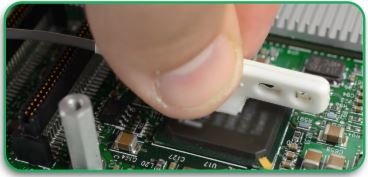
Effect On PCB Performance

  • Overall thermal management of the electronics improves the reliability in high power applications.
  • Increased product life by lowering the operating temperature.
PCB Performance


2. Pressure Sensors

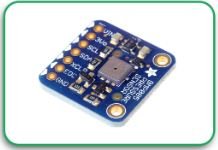
These sensors can measure changes in the pressure of gases and liquids. They have found extensive applications in automotive, medical and the industry.

Key Applications

  • Automotive – Checks the provided tyre pressure and fuel tanks.
  • Medical Devices – Monitors blood pressure and equipment for artificial respiration.
  • Industrial System – Pneumatic and hydraulic system controls.

Effect On PCB Performance

Makes certain that pressure readings are correct for both safety and efficiency.  

Minimizes equipment malfunction by controlling pressure changes. 
Pressure Sensors  

3. Motion Sensors  

These sensors sense movement and position, which are important features in smartphones, robotics, security devices, and wearable technology.  

Different Types of Motion Sensors  

Accelerometers: Detect linear movements and tilt position changes.  

Gyroscopes – Measures rotational angle. Mostly used in drones and navigating devices.  

Infrared Sensors – Movement detection from the heat emitted by the body.  

Effects on PCB Performance   
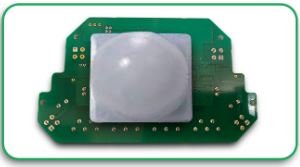
Motion Sensors

Allows the automation of smart home and industrial applications.        

Improves user interaction with the technologies in gaming and wearable electronics. 

4. Light Sensors  

Light sensors measure illumination and are widely used to control the brightness of lights, displays, and other optical instruments.  

Uses  

  • Smartphones: Make it possible to change the brightness of a display according to ambient light conditions.  
  • Industrial Automation: Used for identifying faults in assemblies.  
  • Energy Saving Lighting: Smart systems for LED lights, including dimming control.        

Effects on PCB Performance 

  • Decreases the energy consumption.  
  • Improves visibility as well as user experience in electronic devices. 
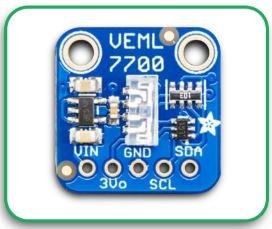
Light Sensors

5. Gas Sensors

Gas Sensors are an effective means of detecting dangerous gases in industrial, automotive, and household safety applications.  

Main Uses 

  • Industrial Plants: Detection of leaks from toxic gases. 
  • Automobiles: Used for controlling the Emission system.  
  • Smart Homes: Smoke and carbon monoxide sensors.  

Effects on PCB Performance

  • Mitigates health risks through monitoring air quality.  
  • Assists industries in meeting environmental health and safety requirements. 
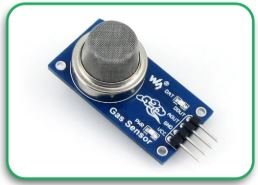
Gas Sensors

6. Humidity Sensors

Sensors that measure humidity are important in Agriculture, Pharmaceuticals, and HVAC systems.

Applications

  • Ventilation: HVAC and Air conditioning systems.
  • Farming: Cattle ranching and soil watering systems.
  • Medical: Medicines are safe from moisture issues.

Effect on PCB Performance

  • It enhances the effectiveness of sensitive climate control work.
  • Guarantees stability and shelf life for products in the pharmaceutical domain.
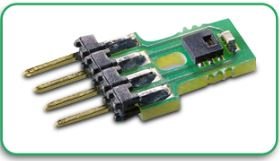
Humidity Sensors

7. Distance Measuring Sensors

Distance-measuring sensors classify the proximity of objects without direct contact. They are used in automation, robots, and other technology.

Categories of the Distance Measuring Sensors

  • Feature Sensors– Recognizing non-metallic items.
  • Metal Sensor – Recognizes micromagnets by induction electromagnetic field.
  • Sound Sensor – Measures distance with sound.

Effect on PCB Performance

  • Contactless control functions for PC-like devices and smart cards.
  • Enhances accuracy and productivity of devices in industrial robotics.
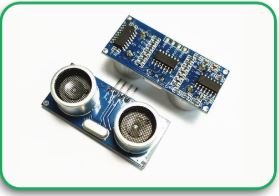
Distance Measuring Sensors

Expert Insights

Integration of PCB technology with biosensors substantially transforms the health sector by permitting fast and ultra-reliable detection of biological and chemical substances in seconds. The same concept applies to building PCBs. Making electrodes and sensing elements for biosensors utilizes the same logic. With mass-produced electronics, some construction methods can be used for biosensors. These methods provide high stellar rates, save money, and are easier to manufacture. Standard PCB technology lowers cost and makes it easier to manufacture.

With the ability to directly pattern electrodes and other electrical components onto a sensor’s PCB board, the accuracy and efficiency of signal detection have greatly improved. Thus, it has been easier for industries like medical diagnostics, environmental monitoring, or even food safety to incorporate the technologies of printed circuit board manufacturing for the development and integration of biosensors.

One of the major innovations in this area is the integration of microfluidics structures with thin film PCB sensors that provide highly compact and portable real-time monitoring and analysis. The incorporation of low-profile detection systems on a sensor PCB board allows for point-of-care medical diagnostics, health monitoring, and even industrial biosensing systems. But there are still many issues to tackle like improving biocompatibility, increasing sensitivity, and more cost-effective construction techniques. 

Newer methods with cutting-edge materials, multilayer PCB configurations, and hybrid manufacturing may help overcome the obstacles which remain the focus of ongoing research. It is clear from this research that as the demand for cheap, highly efficient biosensors increases, the PCB manufactures responsibility in the innovation of this market will intensify.

Important Guidelines for Sensor PCB Project Management and Execution

Choosing PCB Material:

  • FR4 for regular sensors.
  • High-frequency PCBs for RF sensors.

Strategic Sensor Location:

  • Minimization of interaction with other components.
  • Stability of thermal changes for sensitive elements like temperature sensors.

Proficient Methods of Production: 

  • Through-hole and Surface Mount Technology (SMT) are done with great precision.
  • Automated systems were used for testing and accuracy calibration.
  • Trends on the PCB sensor technology of tomorrow
  • Ultra-small sensors to be used in compact devices.
  • Wearable sensors are meant for medical and fitness purposes.
  • Machine learning sensors work in real-time to make important decisions on the spot.
  • Integration of the Internet of Things to enable smart homes and industrial automation.

Final Thoughts

With the increased development of smart sensors, reliance on electronic engineers, PCB designers, and manufacturers will expand as they implement high-performance sensor PCBs within their designs. The selection of appropriate sensors, PCB layouts, and quality manufacturing will characterize the new epoch of highly efficient, reliable, and intelligent devices.

We at PCB Runners know the importance of proper PCB sensor design and manufacturing. Give us a call to see how we can transform your ideas into realities.
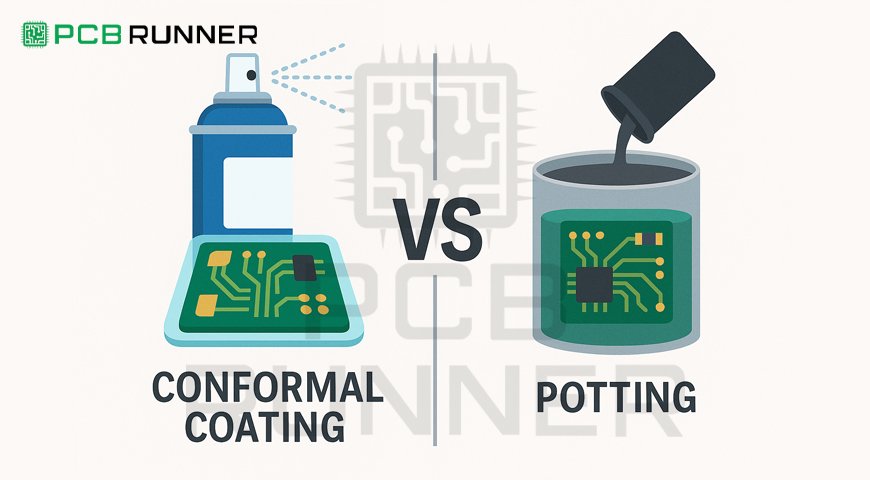
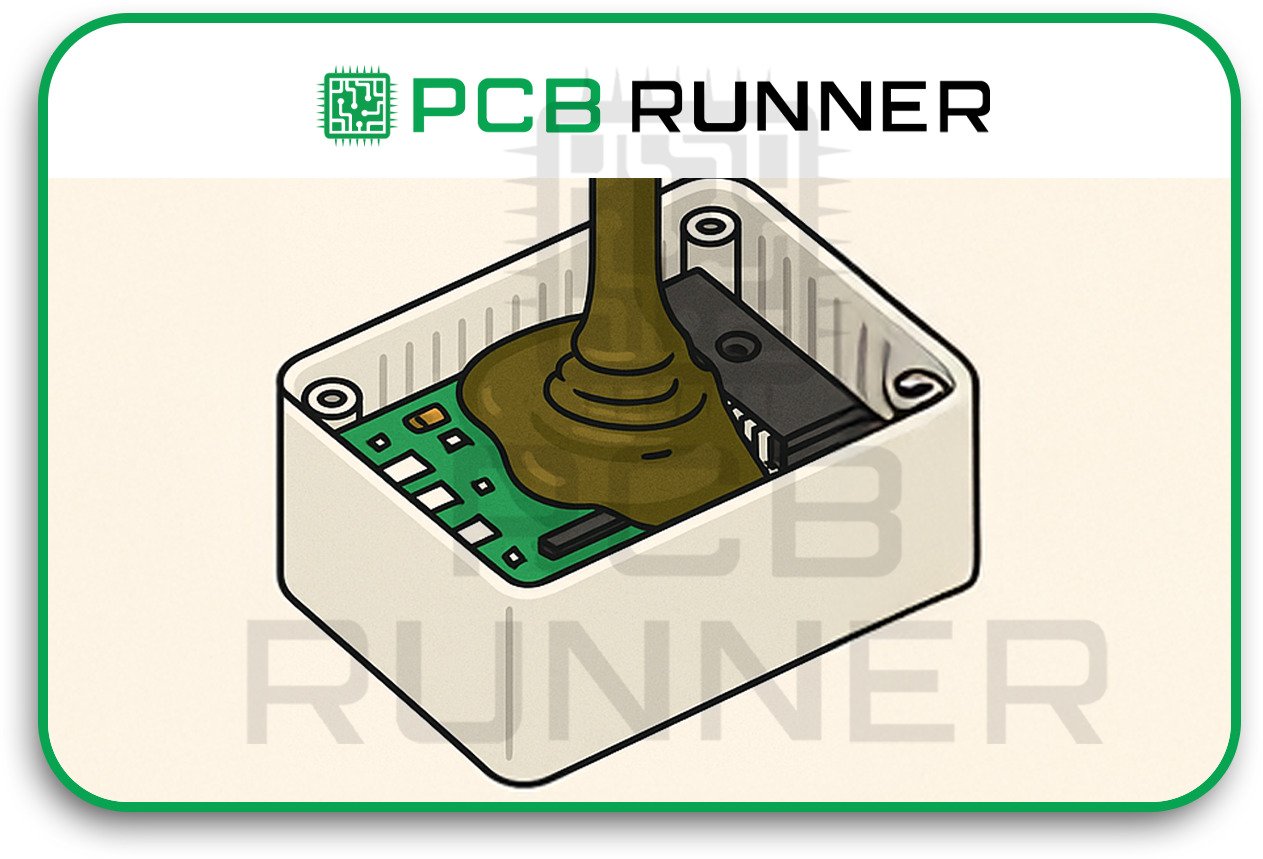
Conformal Coating vs. Potting

Practices for PCB Protection: Conformal Coating vs. Potting

The introduction of Printed Circuit Boards (PCBs) has allowed all modern electronic devices to function seamlessly. They remain one of the most important components of every electronic device. PCBs do have a downside, as they are highly susceptible to external factors like humidity, dust, chemicals, and temperature.

These factors have the potential to cause serious damage to delicate electronic parts. To salvage the effectiveness of Printed Circuit Boards, a myriad of methods, such as potting material or conformal coating, are used.

Such techniques aid in averting corrosion, physical damage, and short circuits, which in turn enhances the lifespan of electronic devices. But how do these two methods compare with each other? Which one would suit your needs best?

In this article, we will explore the differences between circuit board conformal coating and PCB potting materials, including their value and weaknesses.

What Is Conformal Coating

Conformal coating PCB refers to a flexible coat that protects the PCB board from physical factors such as moisture, heat, and solvents. These coatings are perfect for Printed Circuit Boards (PCBs) because they are applied in liquid form and solidify once they have dried up. This helps them ‘conform’ to the various components on the PCB. 

Conformal Coating

Types of Conformal Coating Materials

Every type of circuit board conformal coating entails its own set of advantages and disadvantages. With that said, below are a few examples:

  • Acrylics (AR): They are simple to apply and remove. Furthermore, they provide moisture resistance.
  • Silicones (SR): Perfect for environments with high temperatures. Silicones offer superior resistance to high temperatures.
  • Polyurethanes (UR): Great flexibility with strong chemical resistance.
  • Epoxies (ER): Hard and rigid coating, difficult to remove.

Benefits of Conformal Coating

  • Shielding against moisture, dust or any other contaminant
  • Giving electrical insulation
  • Increases reliability of the device in severe conditions
  • Very light and does not add weight to the PCB
  • Less complex for inspections and repairs compared to potting.

Limitations of Conformal Coating

  • No ability to encapsulate completely
  • Some protection from extreme mechanical stress, but not enough
  • Certain coatings need environmental or UV curing conditions for application for the coating to work.

What is Potting?

It is a process by which a coating is applied to the entire PCB or other specific components, providing a protective shell around the electronics for higher durability and resistance to severe conditions.


Potting

Types of Potting Materials

Different types of PCB potting materials available, like conformal coatings, have different characteristics with distinct results:

  • Epoxies: Excellent mechanical strength and chemical resistance.
  • Silicones: Able to endure considerably greater flexing and extreme temperature changes.
  • Polyurethanes: Good combination of flexibility and hardness, in addition to being resistant to moisture and chemicals.

Advantages of Potting

  • Provides deep guarding against moisture, vibration and mechanical forces.
  • Supports durability in extreme environments.
  • Provides excellent electrical insulation.
  • Resists damage from harsh chemicals and solvents.

Disadvantages of Potting

  • Adds substantial weight and size to the PCB.
  • Repair and inspection are very challenging post-application.
  • Costly and can be tedious in nature when applying.

Potting Vs Conformal Coating – Key Differences

Feature Conformal Coating Potting
Protection Level Moderate High
Flexibility High Low
Repairability Easy Difficult
Weight Addition Minimal Heavy
Application Process Simple Complex
Cost Lower Higher

Expert Insights

Studies have focused on the effects of conformal coatings and potting materials on the effectiveness of a PCB during thermal cycling. They concluded that mechanical characteristics like elastic modulus and thermal expansion of these protective constituents can affect electronic components’ reliability. Encapsulates endure temperature shifts, they dilate and shrink and mechanically enforce stress on solder interconnects, which can jeopardize the bond reliability in the long run. Conformal protective coatings cast while providing light protection might induce some solder fatigue over time. In contrast, potting materials give full-featured protection but might create restrictions because of the tough nature of the material. Making the appropriate choice of the material used will greatly impact the protection versus overall reliability of the different components.

Selecting the Best Method for Protection

Both conformal coating PCB and potting material for PCB need to be weighed carefully with the following in mind:

  • Potting is the better option when dealing with liquids, vibrations, or chemicals. Conformal coating works best for moderate protection.
  • Prior inspection is much easier with conformal coating.
  • If weight and size are a major factor, conformal coating is more effective.
  • While conforming coating is inexpensive and simple to apply, potting is much more time-intensive.

Conclusion

Even though both conformal coating PCB and PCB potting material are able to provide adequate protection for PCBs, they are not interchangeable. For lightweight moisture and contaminants, they rely on conforming coating and potting provides the ability to withstand extreme conditions. It’s easy to see how knowing the benefits and disadvantages of each method would greatly help in deciding what is most appropriate for each specific situation.

Want to ensure your PCB protection is done correctly? Don’t hesitate to contact PCB Runners so we can explain how we can protect your electronics with the best solutions.

The Role of PTH Technology in High-Reliability PCB Designs

These days, almost every electronic device uses a printed circuit board (PCB). New technologies are constantly emerging, and with them, the demand for advanced PCBs rises, particularly in the aerospace, telecom, and medical device sectors.

One of the most commonly used technologies for achieving strong and durable connections is the Plated Through-Hole technology (PTH).

This article compares PTH technology with other advanced methods of making custom-printed circuit boards, such as HDI circuit boards and their PTH counterparts. It also details the key features of custom-printed circuit boards and their durability with PTH technology.

PTH Technology in High-Reliability PCB Designs

What is PTH Technology?

With PTH Technology, an entire PCB assembly is utilized, where holes are drilled through the board and plated with a specific metal to create sturdy electrical connections between the board layers. This type of assembly allows for proper soldering of leads through the board using components equipped with leads.   

How PTH Works

Drilling: The PCB is drilled with mechanical drills that create precise holes.

Plating: The inside walls of the holes are coated with conductive materials like copper.

Insertion of Components: Components with leads are placed through sufficient holes.

Soldering: A soldering iron is used to solder the leads for a secure connection both electrically and mechanically.

Types of PTH PCBs

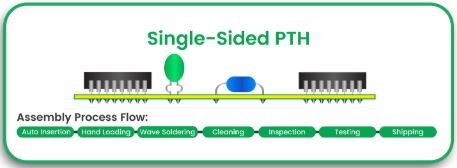
Single-Sided PTH PCB: This is used in basic circuit designs only.

Single-Sided PTH PCB
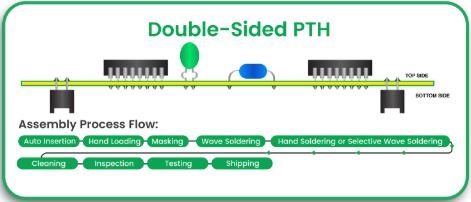
Double-Sided PTH PCB: The components are placed on both sides of the board, increasing the circuit’s complexity.

Double-Sided PTH PCB

Multi-Layer PTH PCB: Enhanced features with multiple interconnected layers for a complex, highly efficient multifunctional task.

The Merits of PTH Technologies

Durable Connections: Ideal in applications with high stress, these connections are mechanically rigid and have reliable electrical contact.

Multi-layer Interconnects: Allows for the effortless interconnection of different layers of a custom printed circuit board and its components.

Superior Heat Endurance: Endure highly high temperatures which are prevalent in the industrial and automotive sectors.

Dependable In-Higher Current Applications: Superior current bearing capability in comparison to surface-mounted devices.

Easy Assembly: Suitable for wave soldering and other forms of automation soldering processes.

PTH Technology vs. HDI Circuit Boards

While PTH technology has been a standard for years, High-Density Interconnect (HDI) circuit boards offer an alternative for modern miniaturized electronics.

Key Differences

Feature PTH Technology HDI Circuit Boards
Connection Type Plated through-hole Microvias & blind/buried vias
Board Density Lower Higher (supports compact designs)
Electrical Performance Standard Enhanced signal integrity
Manufacturing Cost Moderate Higher due to advanced processes
Reliability Excellent for high-stress applications Ideal for lightweight, high-speed devices

Choosing between PTH and HDI

For military, aerospace and industrial electronics, choose PTH PCB boards as they are built to sustain extreme conditions.

For consumer electronics, smartphones, and other devices with space constraints, consider using HDI circuit boards.

Expert Insight

With the increase in the complexity of PCB designs, more factors need to be considered apart from conventional PTH processes. An obstacle that has emerged is the mechanical drilled hole size and plating aspect ratio, which could reduce routing density. To achieve high feature density, PCB fabricators focus on enabling all-in-ravaged capabilities with laser micro vias, blind and buried vias, and stacked micro vias. These techniques improve design flexibility and signal integrity.

Thermal cycling and reliability are other key factors. Exposed PTH solder joints have to bear the stress of heat expansion and contraction cycles, which significantly affects their reliability. To reduce the impact of these issues, improved plating processes and innovative materials ensure long-term durability in harsh conditions.

Uses of PTH PCB Boards

  1. Aerospace and Defense
  • Provides exceptional reliability in harsh environments.
  • Endures physical vibration shocks.
  • Covers vital avionics and radar systems.
  1. Medical Devices
  • All needed electrical connections are sustained over extended periods in lifesaving devices.
  • Resistant to harsh surroundings and sterilization procedures.
  • Applied to MRI machines, pacemakers, and some diagnostic equipment.
  1. Automotive Electronics  
  • Sustains high temperature and vibration experienced in vehicles.
  • Controls power management and engine control units.
  • Supports ADAS.
  1. Industrial Equipment
  • Allowed the development of harsh designs for factory automation.
  • Applied in the distribution of power and the operation of heavy equipment.
  • Guarantees dependability within severe industrial conditions.
  1. Consumer Electronics
  • Guarantee reliability for the home electronic devices and video gaming systems.
  • Applied in audio systems, televisions, and other smart appliances.

Engineering Considerations for PTH Technology

Hole Size and Aspect Ratio: Ensuring that the ratio enhances the conductivity and the mechanical strength.

Plating Thickness: Sufficient thickness of copper in the drillable region to withstand electrical gaps and make sure that there is no failure.

Signal Integrity: By making a good layer stack up and placing the vias in the correct positions, we do not allow for any electrical contaminations between the different levels.

Future of PTH Technology

As crucial as PTH technology is for high-reliability uses, developments in HDI circuit boards and the via-in pad technique certainly herald a new era in PCB manufacturing. Engineers are increasingly inventing hybrid designs that use a combination of PTH and HDI technologies to achieve an optimal balance of reliability, performance, and cost.

New Innovations in PCB Design and Manufacturing

Use of Novel Materials: New substrates that provide better strength.

More Effective Plating: Increasing the strength and conductivity of the board.

Manufacturing Automation: Improving accuracy and decreasing the cost of the processes.

Hybrid PCBs: The use of the two methods to achieve the best results.

Final Remarks

The importance of PTH technology in the manufacturing of custom-printed circuit boards cannot be overstated; it is the most dependable technology with the greatest effectiveness in high-stress situations.

PTH PCB boards remain the preferred option in industries where long-term durability and performance are critical, even though limited compact designs are beneficial in HDI circuit boards. Appreciating the merits of each technology enables PCB fabricators to design PCBs that meet the requirements of different applications and industries.

Are you looking for a supplier that can produce PCBs with a highly reliable design? Contact us today, and let us help you with your electronic requirements.

PCB Technology

PCB Technology: Transforming Innovation in Electronic Devices

In the global electronics market today, PCB technologies appear to continue revolutionising innovation. Be it consumer technology or industrial automation, printed circuit boards (PCBs) are the centrepieces of almost every modern device. A PCB manufacturer is crucial to the high-technology production processes which enable progress in circuit board assembly technologies and PCB prototyping. As the newest technology in PCB design keeps advancing the performance and miniaturisation boundaries, opportunities for enhancement abound for the engineers and developers as well.

The Evolution of PCB Technologies

The Basics of PCB Design

A printed circuit board (PCB) can be simply considered an electromechanical element consisting of several building blocks integrated into inner interconnections. The initial designs of PCBs were bare, singular-layer boards utilised for essential functions. Over time, tech monoliths produced multilayered PCBs that could integrate higher-complexity systems while optimising the real estate on the sculpted board, thus serving as the industry standard.

Now, advanced HDI boards are a reality, made possible by modernisation in PCB manufacturing and the introduction of new materials and fabrication techniques. The advent of surface mount technology (SMT) and, even more so, through-hole technology (THT) add tremendous value to the assembly techniques and overall performance of the boards.

Prototypes and Fabrication of PCBs at an Advanced Level

The design process requires building a PCB prototype. This enables an engineer to test and iterate on the circuit’s functionality prior to large production runs. Innovations in rapid prototyping via 3D printing and laser direct structuring have streamlined the industry’s processes by greatly reducing completion times and expenses.

Some recently integrated technologies in PCB manufacturing are as follows:

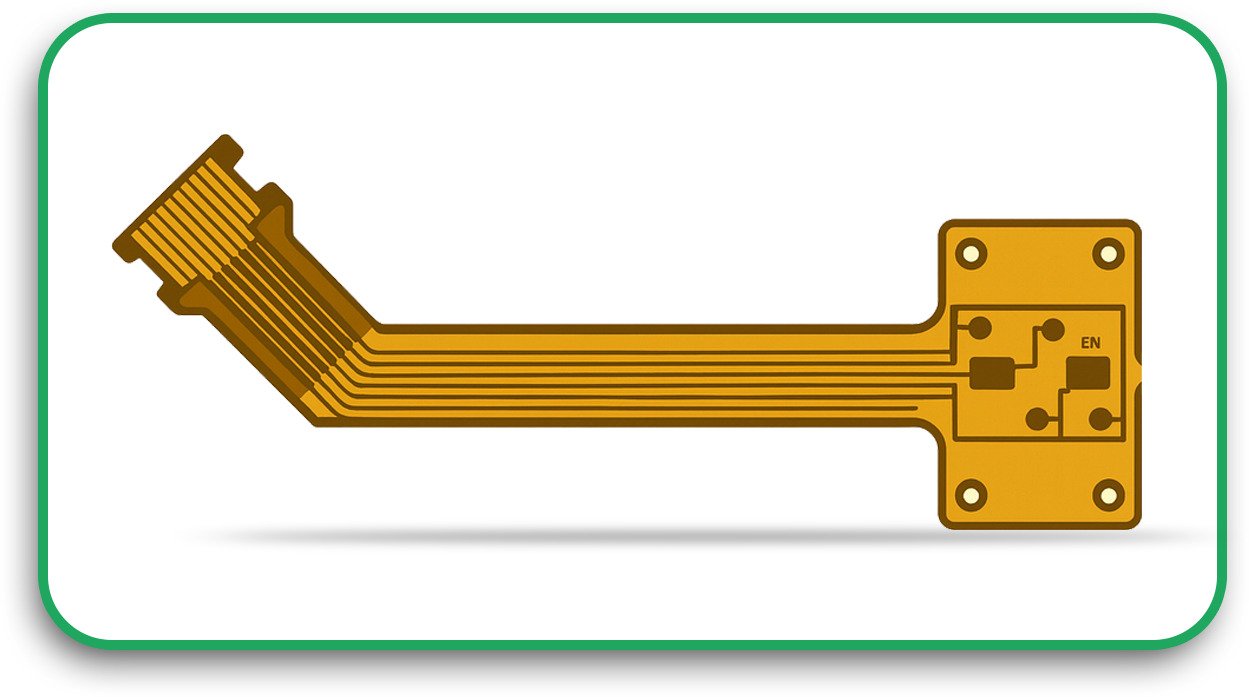
Flexible PCBs: These PCBs are used in Compact Electronics and wearables due to their ability to be bent.

flex pcb

Rigid-Flex PCBs: These are suited for avionics and medical engineering applications, integrating the advantages of rigid and flexible boards.

rigid flex pcb

High-frequency PCBs: They are made for RF and microwave usage, and they specialise in performing with minimal signal loss.

hdi pcb

Metal-Core PCBs: These are used in high-power applications that require high thermal dissipation.

metal core

Modern Electronics and The Importance of Circuit Board Assembly

Precision in Placing Components

The assembly of a printed circuit board consists of positioning and soldering electronic parts on the PCB. The most significant change is the shift from semi-auto to fully automated assembly. As a result, the speed with which items can be manufactured has increased, and their precision has improved dramatically. The newly developed multi-axis automated high-speed pick and place machines, combined with reflow soldering, provide exceptional precision and ensure the reliability of the electric joints.

Quality Control and Diagnostics

To assure the reliability of the PCBs, several rigorous tests are conducted:

  • Automated Optical Inspection: Measurement devices recognize faults in components, soldering, and graphic patterns, and they automatically inspect the soldering and placement of electronic components.
  • X-ray Inspection: This method analyses the internal structures of multilayered PCBs.
  • In-circuit testing (ICT): Guarantees performance and validates electrical integrity.
  • Functional Testing: Checks whether the PCB works adequately in an intended system.

Newest Innovations in PCB Design

Miniaturisation, Along with Increased Interconnect Density

Modern PCB design research is directed towards miniaturisation because devices are getting smaller and more powerful. Micro HDI (high-density interconnect) PCBs allow compact layouts with narrower traces, micro vias, and buried vias, which increases performance while reducing interference.

AI and Machine Learning in PCB Development

PCB technologies are changing due to Artificial Intelligence (AI) and Machine Learning, which improve design layouts, issue predictions, and automated testing processes. AI algorithms assist engineers in creating more complex circuit patterns while lessening manufacturing expenses.

Additive Manufacturing and 3D Printing

Additive manufacturing prints PCBs in no time by allowing endless rotation for computer-aided design models during the 3D printing process to make prototypes different from each other. These techniques enable complex shapes and embedding components, which are essential for next-generation electronics.

Expert View

The breakthrough in Altium Designer has come with the acquisition of 3D-MID. This enables the production of complicated 3D circuit elements that have both mechanical and electronic parts in one integrated component. The use of 3D-MID technology offers a significant advantage by incorporating lighter and more versatile components with highly functional capabilities.

Equipped with efficient software, designers are enabled to create intricate shapes and designs with multiple layers. This is essential in areas where both weight and volume are critical. For instance, the automobile and aerospace industries can greatly benefit from lighter electronic parts since they improve fuel economy and performance. Similarly, compact and light wearable technology components are vital to user comfort and practical use.

The Future of PCB Technologies

With the passage of time and more industries adapting to advanced forms of technology in PCB design, the future holds the following:

  • Eco-Friendly PCBs: To lessen the impact on nature, new advanced materials and environmentally friendly soldering practices will be employed.
  • IoT Integration: Smart PCBs that have built-in sensors and can connect automatically.
  • Wearable and Flexible Electronics: Greater use of flexible PCBs in healthcare and consumer electronics.
  • Quantum Computing PCBs: Custom designs for the upcoming computing systems.

Conclusion

The changes and enhancements made to PCB technologies are transforming the electronic industry and encouraging innovation in various fields. Be it modern circuit board assembly, quick turnaround PCB prototype manufacturing, or using the newest electronics in PCB design, PCB manufacturers are central to the industry’s future. Investing in smart PCB technologies will be essential to remaining competitive as the market shifts toward intelligent, compact, and efficient devices.

Are you interested in advanced and modern PCB technologies? Contact PCB Runners and let us show you how our PCB manufacturing capabilities can help turn your ideas into reality.

Greener Manufacturing

Greener Manufacturing for PCBs: Future of Electronics

Giving careful consideration to sustainability practices has become crucial, especially in the electronics sector. Due to heightened environmental concerns, PCB producers are implementing innovative manufacturing methods that use less hazardous materials. This is great for the planet, but it also increases the effectiveness and creativity within the circuit board assembly process. Thanks to green PCB technology and newer fabricated materials, the future of electronics is sustainable.

The Environmental Impact of PCB Manufacturing

The standard production of PCBs made use of well-known dangerous substances that included lead, chromium, and brominated flame retardants. Each of these materials had its own unique health or environmental risk. There was a very apparent need for change, which is why the RoHS (Restriction of Hazardous Substances) and WEEE (Waste Electrical and Electronic Equipment Directive) regulations were introduced – to force the industry to reconsider its approach.

Hazardous Material Reduction

The most significant change stems from the industry adopting lead-free soldering technology. Leaded solders have always posed a risk, and while requiring higher reflow temperatures, lead-free solders increase environmental safety. Furthermore, halogen-free laminates are now part of the material the PCB board is made from, thus reducing the toxic emissions during the disposal process.

Developments in the Environmentally Friendly PCB Production Process

The leading PCB producers are adopting some new technologies that make assembling greener circuit boards possible.

1. Eco-Friendly PCB Materials

More manufacturers are adopting substrates derived from recyclable or biodegradable resources. Flame retardants based on phosphorus are replacing brominated compounds, which are used as substitutes with no loss in performance.

Advantages:

  • Less hazardous waste
  • Greater recyclability of electronic products
  • Meeting international environmental standards

2. Fuel-Efficient Manufacturing Procedures

Processes such as soldering and etching, which were previously considered energy-intensive, have been optimized. The addition of automation through teacher systems minimizes the energy needed for production.

Primary Improvements:

  • Smart pick-and-place machines that enable streamlined assembly
  • Defect reduction through automated testing and inspection systems

3. Innovative Green PCB Connectors

New green PCB connectors, which enable energy consumption reduction and increased product lifespan, are being incorporated into a myriad of electronic devices. These connectors can support data transfer while complying with environmental regulations.

4. Water Recycling Systems

The PCB manufacturer’s approach entails using closed-loop water recycling systems to mitigate water waste, which aids water conservation and reduces pollutants’ emissions into the environment.

Sustainable Usage of Green PCBs

Different industries, including renewable energy, electronics and many others, are set to benefit from what green PCB technology has to offer.

Renewable Energy Solutions

Solar panels, wind turbines, and energy storage systems all utilize PCB assemblies. Green manufacturing ensures that these components are manufactured efficiently and reasonably for the environment.

Wearable Electronics

New-age wearable devices are made possible by flexible and biodegradable PCBs, which help mitigate electronic waste.

Smart Home Devices

More eco-friendly devices utilize energy-saving designs of PCBs in smart home technology, which enhances sustainability in day-to-day activities.

Challenges and Future Outlook

  • Material Costs: As in many environmental problems, eco-friendly solutions tend to be more expensive and often unaffordable.
  • Technical Limitations: It is not easy to achieve the previously mentioned performance metrics with greener materials.
  • Consumer Awareness: Informing consumers of the importance of green electronics is also an issue.

Positioning oneself as an authority on sustainable manufacturing will pay off greatly as development and research proliferate.

Expert Insight

According to research made available by ResearchGate, sensors and wearable technology stand out as great continuous health care monitoring tools owing to the sophistication of green PCB technology. PCBs embedded with machine learning, along with wireless integration, make it possible for wearables to monitor vital signs round the clock and detect health issues in their earliest stages. There are still concerns over the accuracy of the sensors and their clinical validation. Still, the use of green materials in the PCBs of these gadgets is a stepping stone in lessening their post-consumer wastage.

Additionally, emerging regulations like RoHS and WEEE constantly shift the burden of proof towards manufacturers for adopting environmentally sound practices. The industry is challenged with the need to produce halogen-free laminates and cyanide-free gold-plated PCBs.

Conclusion

While these developments in green technology may seem beneficial, all claim that the transition to greener processes is a lot more difficult than it appears. By integrating post-consumer waste as raw material, making energy-efficient equipment, or inventing new green connectors for PCBs, manufacturers will contribute to making electronics environmentally friendly.

Are you looking for innovative green PCB solutions? If yes, then form a partnership with PCB Runner, one of the leading PCB manufacturing suppliers that prioritizes eco-friendly practices. Reach out today and get the best consultation for your green PCB design and circuit board assembly needs.

FAQs

What is a green PCB?

Green PCB refers to a printed circuit board manufactured using eco-friendly materials and processes that have less detrimental environmental effects.

Why are green PCB connectors critical?

They are crucial as they assist in the effective design of electronic circuits due to energy conservation and waste minimization.

What materials are used in eco-friendly PCBs?

Biodegradable substrates, flame retardants based on phosphorus, and laminates that do not contain halogens.

How do PCB manufacturers reduce energy usage?

Automation, machine learning, and energy-efficient devices are utilized to improve processes and minimize energy consumption.

How can PCB Runner help with green PCB manufacturing?

PCB Runner addresses the changing needs of the electronics industry with new technologies by providing PCB selection, prototyping, and even production.

Optimizing PCB

Optimizing PCB for Efficient Electronics Design

The development of devices that are deeply integrated with modern technology begins with PCBs. Hence, Printed Circuit Boards and their designs are necessary to create a low-cost, high-performance product that is reliable in the long term. Custom PCBs are made to cater to varying industry needs, from consumer-based electronics to industrial-grade machinery. 

The emergence of PCBs with software-based electronic circuits has made it possible for designers to design more efficient, compact, and powerful PCBs. This article examines the critical issues with regard to the optimization of electronic PCBs from layout design, material choice, signal integrity, and even thermal management.

Important Aspects in PCB Optimization

1. Trace Length and Positioning Design

The layout is key to reducing trace length and increasing overall performance. The right placement of components improves signal delay and minimizes interference and overall performance. This includes:

  • Trace Grouping: If the components are grouped, the trace length will be reduced significantly.
  • Trace Composition: Grouping signals can be improved by applying differential pair and shortest distance routing.
  • Power and Ground Planes: When power and ground layers are allocated, currents are more effectively distributed, and electromagnetic emissions are also minimized. 

Trace Length and Positioning Design_

2. Choosing the Best Material

The mechanical aspects of the PCB, such as thermal conductivity, signal durability and strength, and transmission, are very reversible. Here are some common materials used:

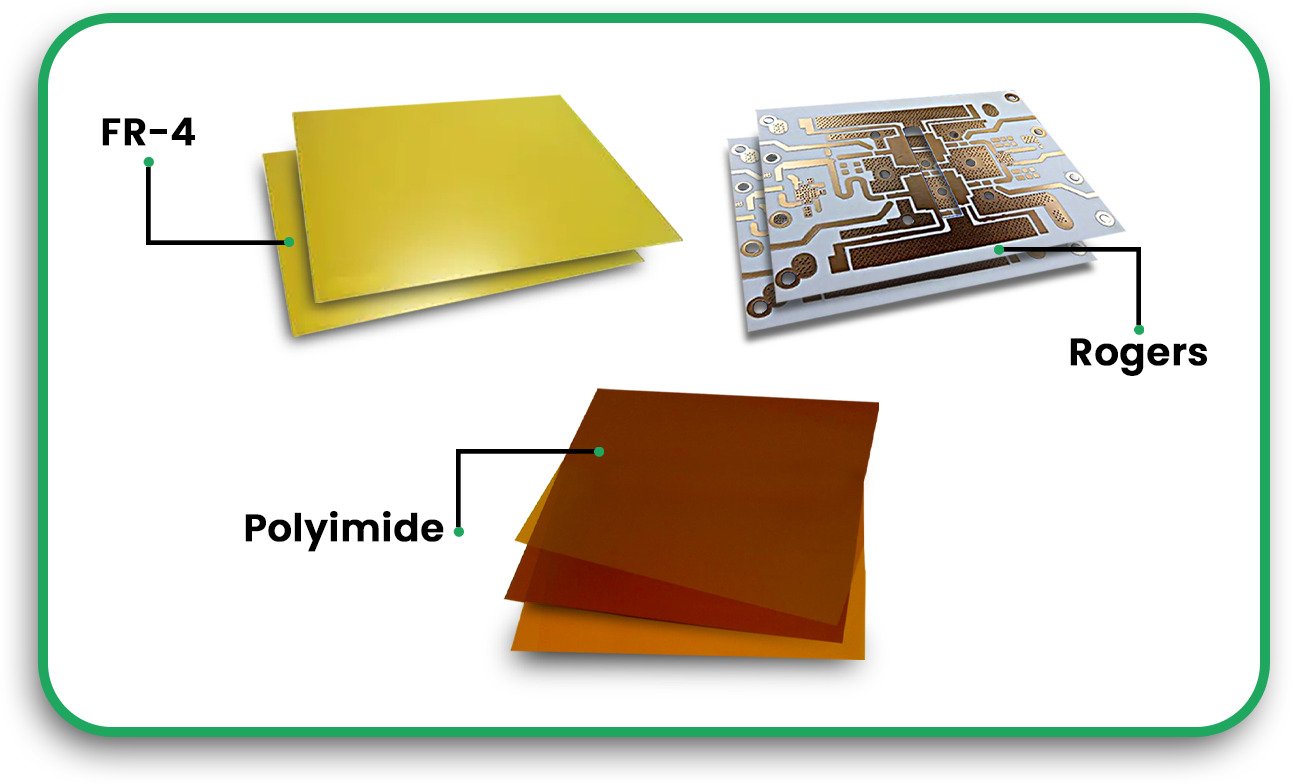
  • FR-4: The industry standard for PCBs. Socioeconomically beneficial. Good electrical performance.
  • Polyimide: Ideal material for flex PCBs because of its flexibility and heat resistance.
  • Rogers Laminates: Employed in non-microwave frequencies because of its low signal attenuation.

Choosing the Best Material_

3. Signal Integrity Issues and High-Speed Design

Signal integrity needs to be maintained in high-speed PCBs to avoid blurring and information loss.

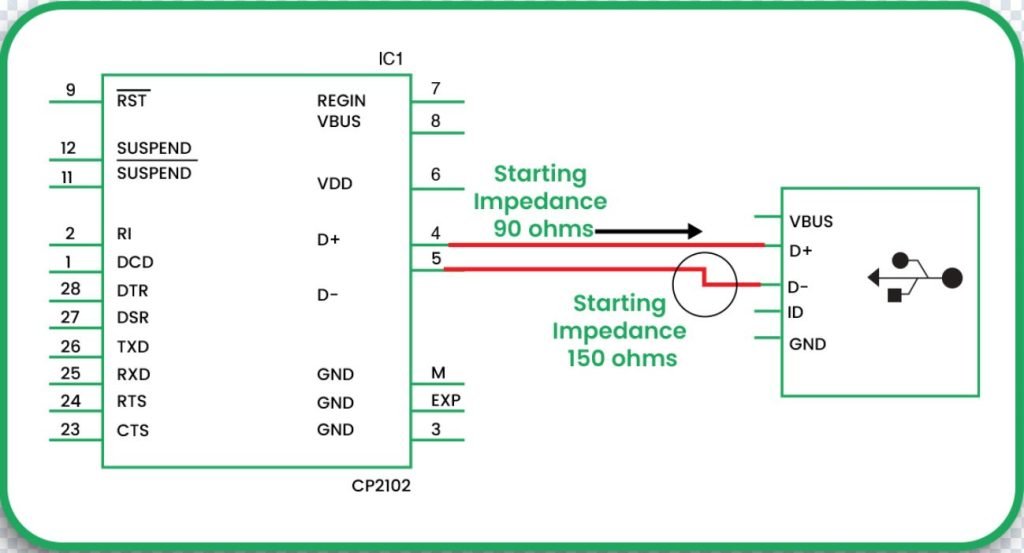
  • Impedance Matching: Guarantees no reflection or loss of signals.
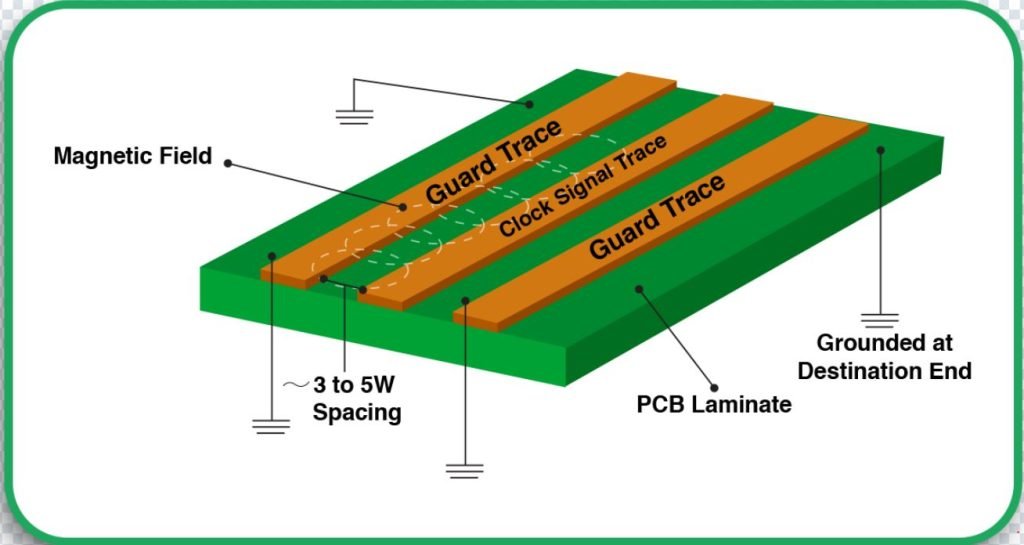
  • Crosstalk Reduction: Adequate space between traces reduces unwanted signal interference.
  • Shield and Ground: Proper grounding of devices reduces EMI problems.

signal integrity

4. Thermal Management

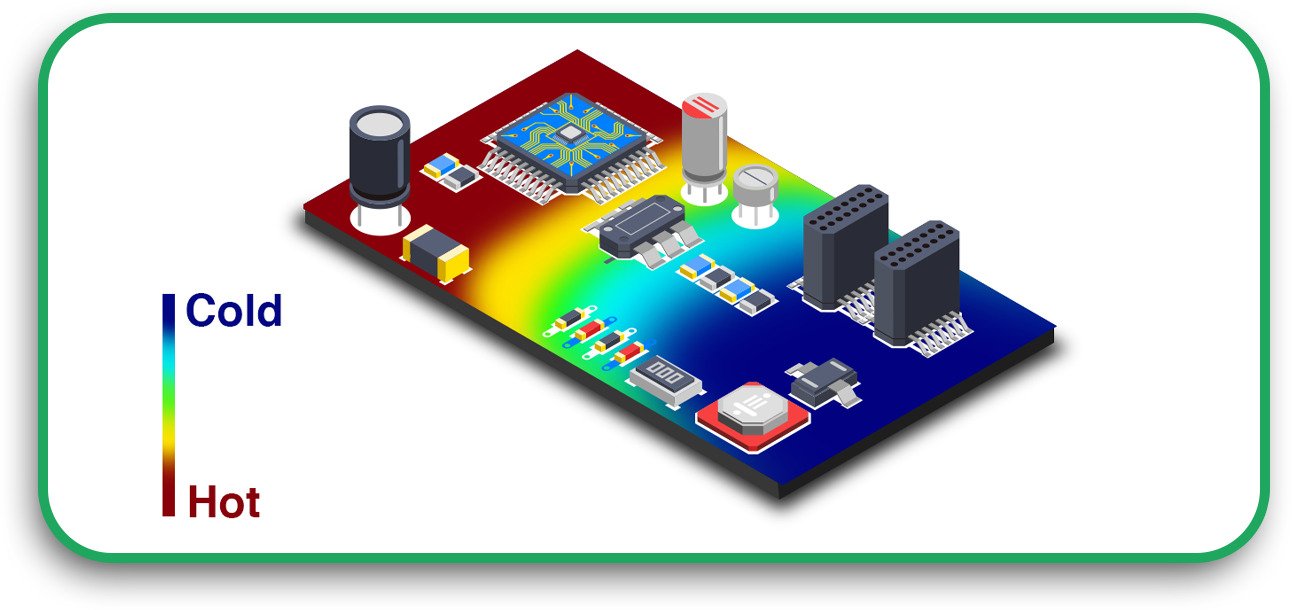
Great care must be taken to control heat, as uncontrolled heat buildup can cause severe component damage.

  • Heat Sinks and Vias: Aid in drawing away heat from critical components.
  • Thermal Pads and Conductive Adhesives: Improve the transfer of heat to the cooler parts.
  • Component Positioning: Positioning of heat-producing components helps to reduce excessive localized heating.

Thermal Management_

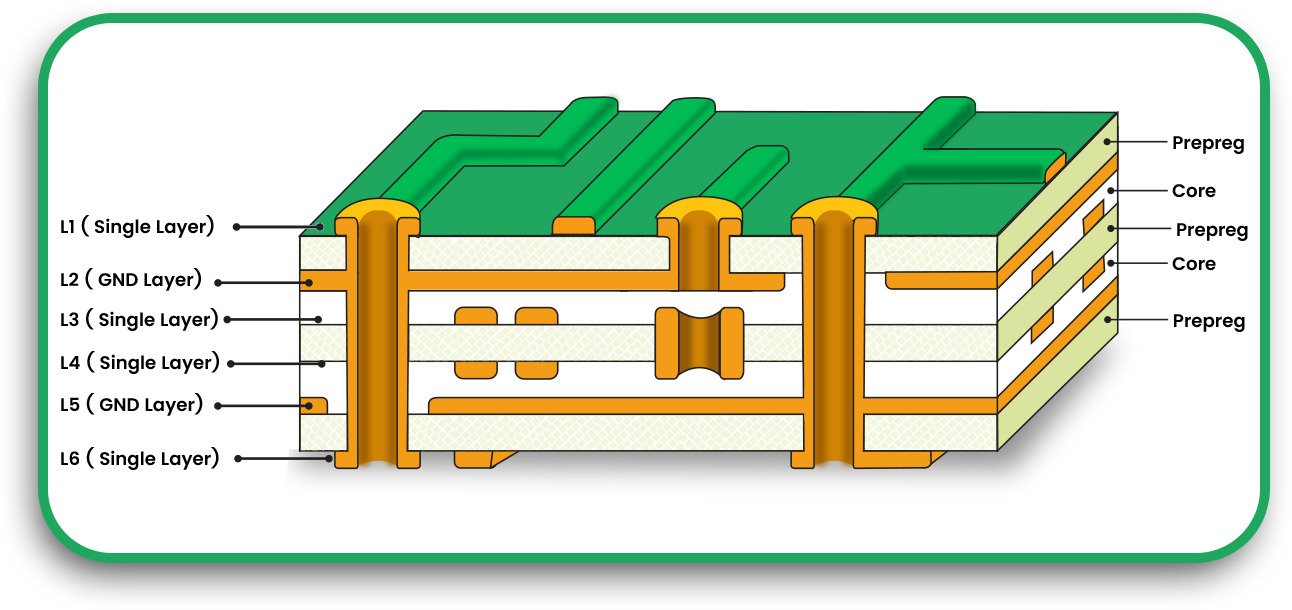
5. Multi-Layer PCB Design

In complex designs, the use of multi-layer PCBs has the following advantages:

  • Decrease in PCB Area: Increases the number of components usable in a limited area.
  • Increased Signal Strength: The use of separate layers for power and signal improves the performance.
  • Improved Reliability: Reduces the number of external connections and, therefore, removes potential points of failure.

Multi-Layer PCB

Expert Insight

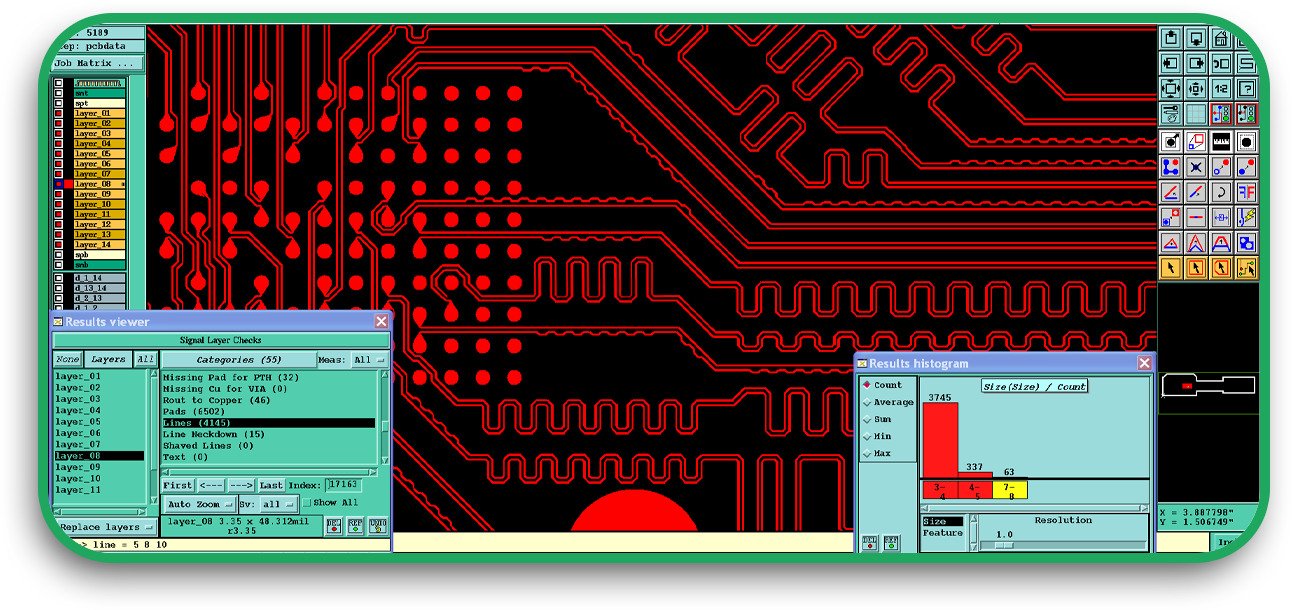
The PCB assembly line’s optimization is now one of the most critical elements in balancing costs and achieving maximum output. The use of automated pick-and-place systems in PCB production makes it possible to automate many processes, thus minimizing manual mistakes and enhancing production rates. With the escalating sophistication of custom boards and the ever growing assortment of parts, these automated systems optimization has become a challenge, though.

Now, circuit designer software’s PCB assembly algorithms for electronic circuit design incorporate optimization of the placement of components for assembly. This algorithm relieves robotic arms of extra travel by cutting the time and number of movements needed for the pick-and-place operation processes. Research suggests that the efficiency of component placement is maximized if the number of components placed in a single movement is restricted to four. On the other hand, new designs of electro-pneumatic arms are anticipated to enhance the accuracy and speed of breakthrough PCB assembly instrumentation, which could be patentable.

The Importance of Software in PCB Optimization

Software Selection Guide

Using the correct software for electronic circuit PCB design makes the design process more straightforward and improves precision. Some of the leading ones include:

  • Altium Designer: Highly regarded for excellent simulation tools and collaborative editing in real-time.
  • Eagle PCB Design: Easy to use with a well-developed user base.
  • KiCad: Best for designers not working commercially since the software is open-sourced.
  • OrCAD: Best suited for more advanced circuit simulations and PCB layouts

What to Look For

When optimizing the design of a PCB, software should provide the following:

  • Auto-routing features: Aids to quickly place traces.
  • Thermal analysis: Ensures that overheating problems do not occur.
  • 3D visualization: Helps designers to see the final look of the board prior to fabrication.

Best Practices for PCB Manufacturing

DFM (Design For Manufacturing)

The principles of DFM guarantee that PCBs are manufactured and assembled easily. It includes the following:

Standard Component Sizes: The use of readily available parts facilitates easier procurement and assembly.

Vias: Cut unwanted costs and minimize potential weak points.

Silkscreen Marking: This makes the silkscreen more visible and legible to the assembly technicians.

Testing and Prototyping

Thorough testing must be done before the product goes into mass production:

Prototyping: Make it possible to catch mistakes in the design before they are too costly to address.

Automated Optical Inspection (AOI): Find solder defects, misalignments, and some other issues that are difficult to see with the naked eye

Electrical Testing: Check continuity and the quality of signals.

Trends For The Future in PCB Optimization

1. Automated PCB Design

To assist manual PCB designers, AI is set to be implemented into electronic design PCB CAD tools to automate design optimization and identify and rectify poor designs.

2. PCBs Made Using 3D Printing

The development of additive manufacturing is allowing for quicker prototypes and new, complex PCB designs that were unachievable through previously used methods.

3. Flexible and Wearable Electronics

As the need for flexible electronics increases, PCBs incorporating stretchable and bendable materials are serving the healthcare and smart textiles markets.

Conclusion

In the context of custom printed circuit board design, achieving efficiency and high performance in electronic devices requires a keen focus on detail. Engineers should use dedicated electronic circuit PCB design software to focus on layout, signal integrity, and thermal management. At the same time, manufacturers should emphasize design for manufacturability to improve productivity and cut costs.

Are you in need of professional PCB design and manufacturing services? Contact PCB Runners now to get solutions that fit your specifications!

Improving High-Speed PCB Performance Using Channel Operating Margin (COM)

Achieving the utmost performance in high-speed PCB design requires steady signal integrity while minimizing losses. One prominent evaluation measure is the Channel Operating Margin (COM) because it gives an approximate understanding of how robust a system is to high-speed data throughput. 

The progress of high-density interconnect (HDI) technology is constantly pushing the boundaries of printed circuit boards via trace design. So, COM analysis can also be very beneficial in enhancing the reliability and efficiency of the PCBs.

Improving High-Speed PCB Performance Using Channel Operating Margin (COM)

Understanding Channel Operating Margin (COM)

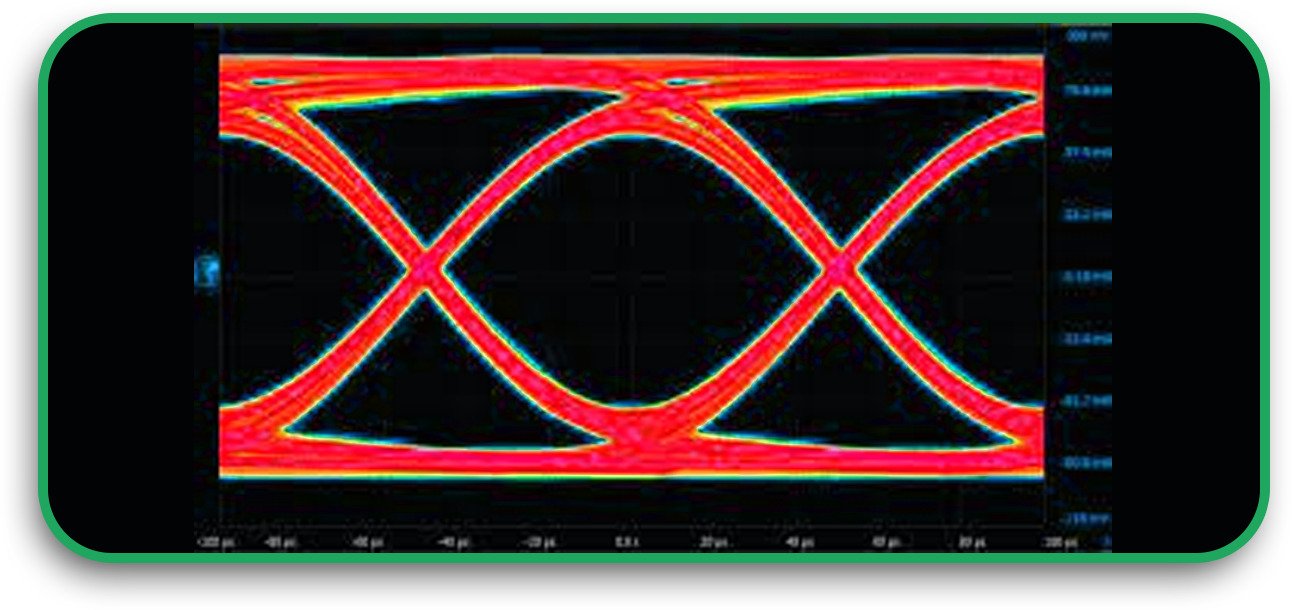
COM is a high-speed communication channel figure-of-merit with respect to signal integrity. It quantifies how much noise, crosstalk, and various other factors might interfere before a signal becomes totally unreadable. Compared to traditional eye-diagram analysis, COM is way better since it takes a more holistic, simulation-based approach to evaluating PCB performance.

Some of the factors that affect COM include:

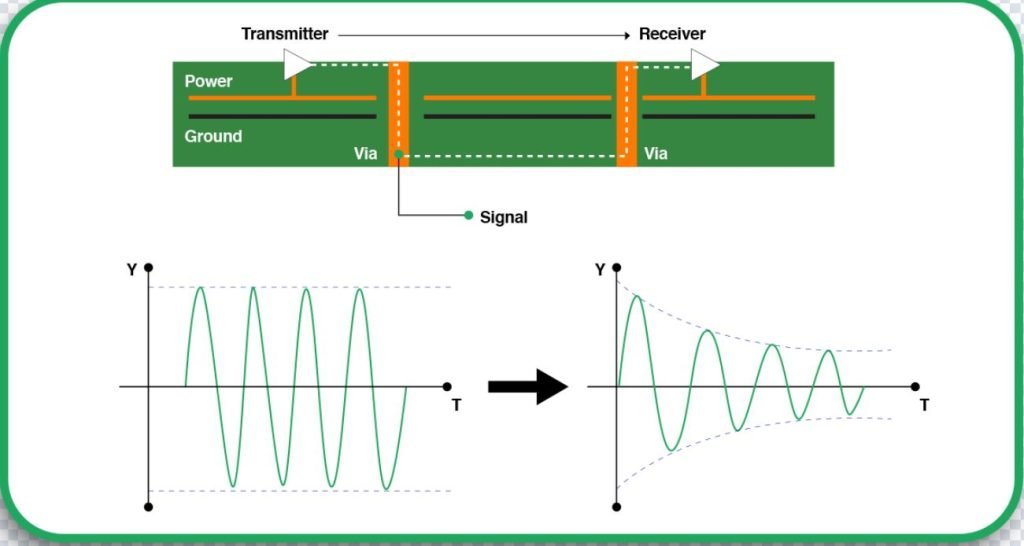
Losses in PCB traces and vias: The trace signal amplitude will be attenuated due to high-speed signal travel through the PCB materials.

PCB traces and vias

Crosstalk from adjacent traces: Denser circuitry can result in inter-component interference.

Crosstalk from adjacent traces
Reflection and impedance mismatches: Vias and trace terminations that have not been well optimized can result in underperformance.

Reflection and impedance mismatches

Improving COM Scores with COM Analysis in High-Speed PCB Design

PCB Position for Optimized Signal Integrity

A laid-out PCB, which is optimized, should enhance the Channel Operating Margin. Appropriate placement of the signal traces, as well as the power and ground plane, should be kept clear of interference and power loss. High-density interconnect (HDI) technology enables finer trace throughput and reduced signal path lengths, therefore increasing COM scores.

Choosing the Correct PCB Components

The component selection process is critical in high-speed PCB design. Using low-loss dielectric materials with controlled impedance characteristics helps mitigate signal degradation. Furthermore, high thermal stability sub-laminates should be focused on to ensure performance is maintained during operational conditions.

Improving Via Construction

The design of printed circuit board vias is challenging to achieve signal integrity for high-speed applications. Conventional through-hole vias cause discontinuities that lead to self-reflections and signal attenuation. To reduce the effects of this, the engineer should:

* Use blind and buried vias in order to reduce stub length on the vias.

* Use back-drilled vias to get rid of signal reflections.

* Change the pad size of the via for better-controlled impedance.

A COM analysis uses simulation to estimate the potential performance of a PCB before the actual fabrication of the board. Engineers can model design parameters like trace routing via placement and materials selection to simulation tools. Time-domain reflectometry (TDR) and vector network analysis (VNA) are employed post-manufacture to verify that the device functions as intended.

Utilization of Channel Operating Margin in PCB Layouts

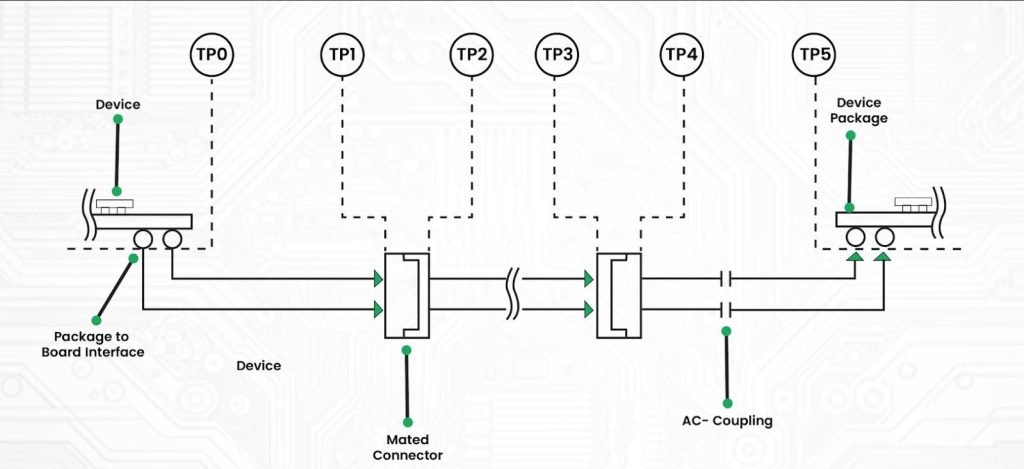
An important factor in the performance assessment relating to the channels configured on the PCB is the evaluation of high-speed electrical channels. The two data pins of the IC and the two pluggable connectors on the edge of the PCB form a critical high-speed data path. Various factors influence the quality of the signals on these high-speed data links:

  • Track width
  • The type of PCB dielectric
  • Discontinuities over the track and component pads that can cause reflections
  • Track length and type: stripline vs microstrip
  • The physical configuration of vias
  • Dependency of signal quality, such as jitter on data pattern
  • Temperature dependency

As frequency increases, track dimensions and PCB dielectric properties tend to dominate. An electromagnetic wave in a dielectric material moves with a velocity proportional to the inverse of the square root of the dielectric constant. An increase in the dielectric constant results in a decrease in wave velocity, which in turn affects signal transmission.

Aside from dielectric absorption, losses associated with transmission also accrue due to the skin effect. The skin effect restricts the flow of electric current to the outer surface of the conductor; hence, widening copper traces may help reduce it. However, at higher frequencies, the losses incurred due to the dielectric material are predominant over the losses incurred due to the skin effect. Because of that, the selection of the dielectric material for PCBs operating at frequencies greater than 5 GHz becomes very important.

In order to meet the requirements of higher speeds, Channel Operating Margin (COM) is used as a metric for assessment. COM is a parameter used for high-speed PCB design and enables design assessment of systems that go beyond 25 Gbps. The metric assesses the interactions of the transmitter, channel, and receiver, emitting a value in dB, which expresses the strength of the design. Any design which exceeds a COM figure of 3 dB is considered valid. The analysis of COM allows designers to ensure the design complies with criteria while preventing overdesign.

Expert Insight

The rapid growth in the data rates, as well as the new modulation techniques being developed in various telecom standards, is the reason why high-speed serial link design is growing in popularity in the electronics sector. It is also possible that traditional certification metrics are problematic and may cause sub-optimal transmit (Tx) and receive (Rx) circuit designs. Consequently, the Ethernet standard IEEE 802.3bj defined a different COM that lets the user examine the design space at an early stage, which is much simpler. Without reports on the application of COM as an adjunct design method on circuits of transceivers, some works explore its potential as a backplane design tool.

This study investigates the use of COM as a complementary metric for transceiver circuits, such as the COM performance for four 100GBASE-KP4 backplanes with different equalization architectures. The metric is evaluated while cognizant of the impact and challenges associated with the incorporation of novel equalization structures into the flow of COM. A conventional architecture discovered by the focus group has been found to dominate the COM metric when applying the Tx-Rx cutoff architecture. The Tx-Rx cutoff architecture results in a significantly better opening of the eye diagram but does not satisfy the cutoff threshold.

Conclusion

The question of high-speed PCB design is now more paramount than ever, particularly due to the rapid increase in data rates. If engineers integrate Channel Operating Margin (COM) analysis into the development stage, they can improve signal integrity, decrease signal losses, and increase overall system reliability. Achieving optimal PCB performance requires the integration of advanced interconnect technologies and the refinement of printed circuit board vias.

Are you looking to improve your PCB design with superior COM analysis? Contact PCB Runners today to find out how our high-speed PCB design services can boost the success of your next project.

Assembling High-Quality Rigid-Flex PCBs

From Design to Production: How Rigid-Flex PCBs Are Made

With the increase in the usage of modern day electronic devices, the need for complex, compact rigid-flex PCBs has gone exponentially higher. These types of PCBs have flexible substrates built into them which enable manufacturers to efficiently meet and adapt to various design requirements.  

Creating flex circuit and rigid PCB assemblies involves advanced manufacturing techniques along with incorporating the right type of raw material. These factors combined make the entire process sophisticated and require a high level of accuracy and skill from the manufacturers. 

Understanding Rigid-Flex PCB Components 

The choice of materials is the most important step when constructing a rigid-flex PCB. The materials used in both the rigid and flexible sections of the PCB have to provide reliable performance throughout the set lifecycle of the product. 

1. Substrates

The rigid parts of the PCB are usually composed of FR-4, which is a strong epoxy resin and fiberglass compound that forms an integral part of the standard used PCB material. The flexible portions, however, depend on multi layer polyimide (PI) films which are thermally stable and flexible.  

Polyimide (PI): PI films are well known for being mechanically robust during soldering processes and are capable of enduring extremely high temperatures.  

Polyester (PET): Although Poly Targeting less warmth resistant than PI, PET proves to be extremely useful in instances where heavy soldering temperatures are avoided due to cost factors. 

substrate

2. Materials of Conductors

The conductive traces in rigid-flex PCBs are made of copper. Depending on the application, manufacturers may choose between:  

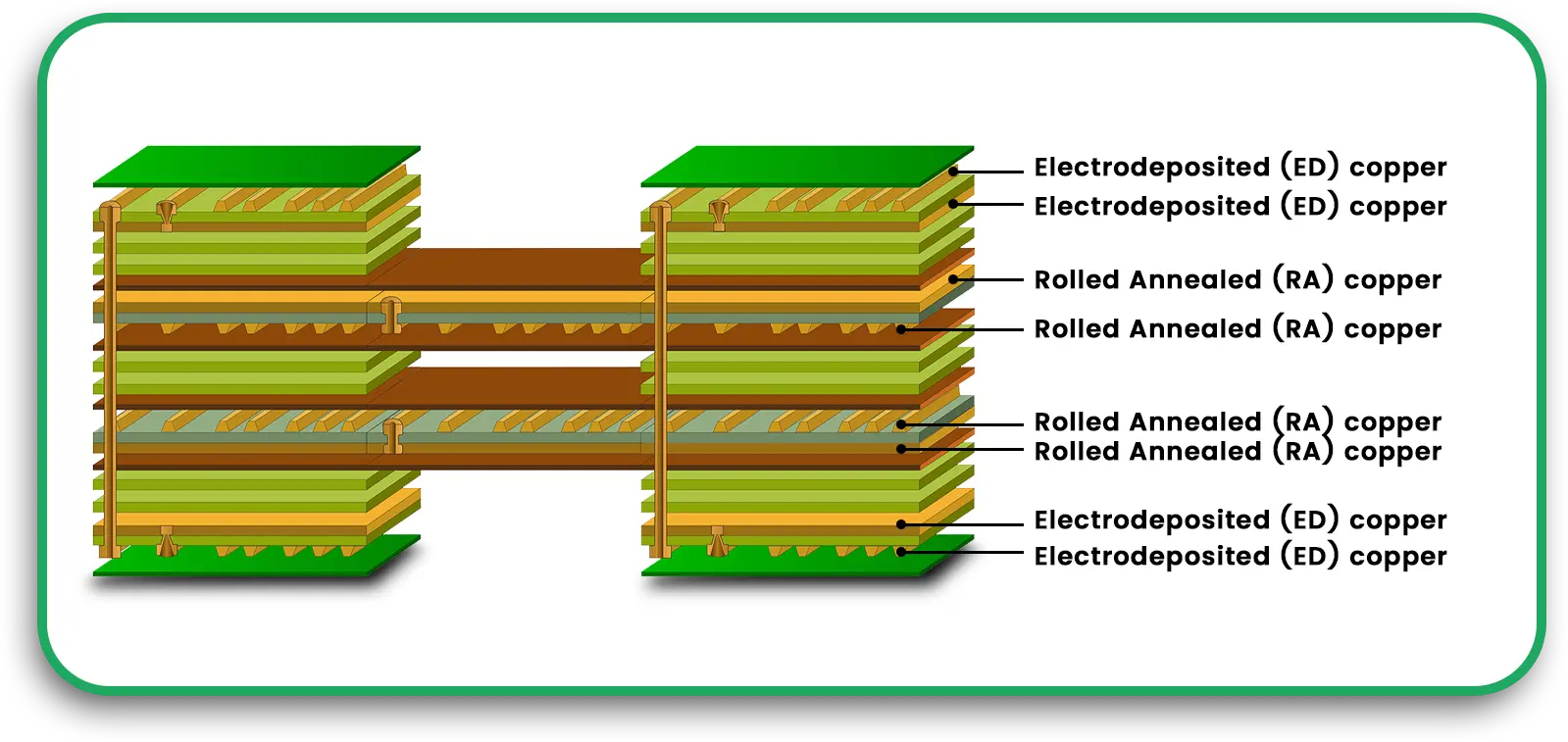
Electrolytic Copper Foil: This is best used for high-current applications. 

Rolled Annealed (RA) Copper: Enables the most intense bending and provides excellent strength and endurance.   

copper

3. Bonding and Hybridization Layers

In order to attach copper layers to the flexible substrates, epoxy and acrylic based bonds are widely used. Some latest techniques incorporate the use of adhesive-free laminates for increased flexibility and reliability.  

Bonding and Hybridization Layers

Manufacturing Steps of Rigid-Flex PCBs 

To create a rigid-flex PCB there are several important steps:  

  • Layer Stack-Up Sequence Construction

The first step in the process of manufacturing is the design of the stack-up of the PCB. The stack-up outlines the configuration of conductive and non-conductive sections for both rigid and flexible parts. 

The materials must meet the application’s electrical, thermal and mechanical requirements, and so engineers must plan ahead. 

Simulation through CAD programs produces a more accurate design before being manufactured. 

  • Adhesive Layer or Seed Deposit Application

A layer of acrylic or epoxy adhesive is placed on the base material. Rather, a seed copper layer can be sputtered over the substrate serving as a key for the plating. 

  • Foil Copper Lamination

In the context of PCB manufacturing, copper foil is laminated onto the substrate through the use of thermal and mechanical techniques. Some processes in modern PCB manufacturing incorporate ductile, high-performing conductors through adhesiveless copper deposition.  

  • Pictorial Cuts

This step consists of facilitating vias and pads that enable multilayer linkages. Depending on the design requirements, the drilling process may involve: 

Mechanical Drilling: Use for boring larger openings. 

Laser Drilling: Use in the creation of highly accurate micro vias. 

Punching: Good for bulk manufacturing, albeit requires specialist equipment. 

  • Completing the Circuit with Plating

After the holes are drilled, they are plated with copper to form electrical connections within the layers. To ensure the mechanical strength of flex and rigid PCB assemblies, the average plating thickness is 1 mil.  

  • Applying Etch-Remove Covers

A layer of photosensitive etch-resist material is placed above the copper layers. The required circuit patterns are revealed and developed using photolithography. 

  • Etching by Chemicals

The remaining traces of etch-resist are stripped off and the copper areas that were not covered previously are chemically etched to leave desired circuit traces. 

  • Application of Coverlay or Covercoat

In order to safeguard the conductive paths, polyimide film coverlay layers are laminated to the flexible parts. In certain instances, a photo-imageable solder mask can be directly printed onto the board. 

  • Mounting of Components

The assembly of surface mount and through hole components onto the rigid flex PCB is done by automatic pick and place machines. 

Lead-free soldering: Helps comply with RoHS environmental regulations. 

Reflow soldering: Allows for secure and reliable connections of components. 

  • Quality Assurance and Testing

The rigid flex PCB is tested against a range of procedures to confirm functionality prior to shipment. 

Electrical Testing: Testing circuits for continuity and isolation. 

Mechanical Testing: Testing of flexibility and durability of the board. 

Insights From Experts 

Altium is well-known for offering innovative solutions in PCB design. They have noted the significance of innovation and accuracy in PCB production. A typical double sided flex circuit construction sequence features several specialized processes like seed coating and coverlay application. Notable methods for improving speed and quality for flex and rigid PCBs is laser drilling and adhesive-less copper deposition. 

The research done by Altium suggests that modern changes in design tools and automation are making manual interventions less important in the production process. These changes allow producers to achieve better accuracy, lesser material wastage, and improve the reliability of the materials used for PCB boards, which in turn ensures better performance in critical applications. 

Conclusion 

Producing rigid-flex PCBs is a long and carefully executed process right from design to production involving the best materials, high-quality manufacturing processes, and rigorous testing.  With improvements in the material used for PCBs and enhancement of the manufacturing process, the electronics industry is bound to become much more powerful and flexible in the times to come.

Through grasping each process step and employing expert knowledge, manufacturers can improve the production process of PCB assemblies, ensuring high-quality rigid flex solutions for various applications. Rigid-flex PCBs offer the world limitless possibilities for advanced electronics through wearables, automotive systems, and industrial millennium automation. 

FAQs 

What are rigid-flex PCBs used for?
Rigid-flex PCBs are popular in industries that need compact, light weight, and high performing electronics, like in wearable devices, aerospace, and industrial automation systems.

Which materials are commonly incorporated in rigid-flex PCBs?
FR-4 for the rigid sections and polyimide films for the flexible portions are the most used compounds, with copper serving as the material of choice for conductive traces.

In what ways do rigid-flex PCBs assist manufacturers?
They minimize the number of connectors and cables to be used, allowing for designs that are smaller in outline and more accurate in functioning.

What problems occur in the manufacturing of rigid-flex PCBs?
The process can be expensive, and maintaining alignment throughout the production process is a difficult and delicate process to achieve.

What advantages do polymer lamination foils provide?
They enhance flexibility, lower the mass, and increase the toughness of the PCB which is why they are best suited for modern day high technology applications.


Flex vs. Rigid PCBs

Flex vs. Rigid PCBs: Making the Right Choice for Your Design

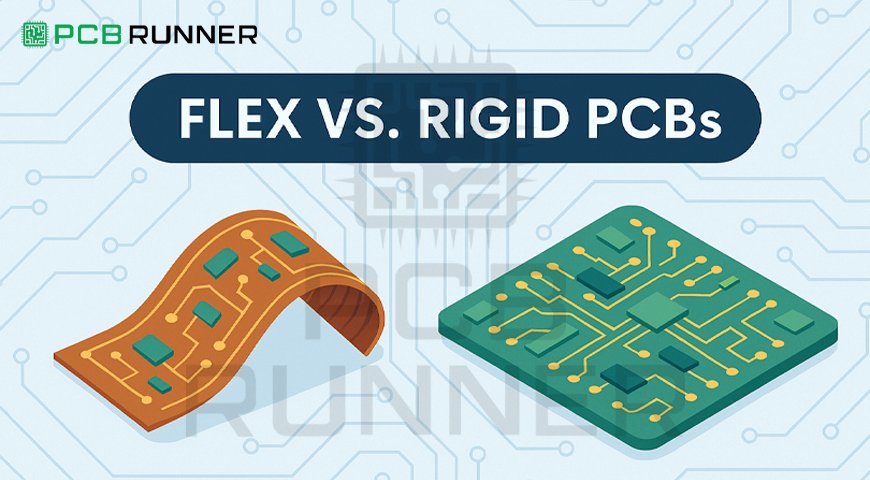
Printed Circuit Boards (PCBs) are critical in every electronic gadget as they ensure the mechanical and electrical interconnections between different parts of the device. PCB technology, like all others, has progressed over time to address the needs of smaller, more efficient and more versatile electronics. Presently, two major categories of PCBs in use are Flex PCBs or flexibles and Rigid PCBs. Electronics designers and engineers need to know the difference between these two variants in order to design and manufacture high-quality and low-cost products.

This blog will discuss the major differences between flex and rigid PCBs, their benefits and disadvantages, and how to select the most appropriate one for a given situation.

Basics of Rigid PCBs

What Is A Rigid PCB?

Rigid PCBs are an older variety of circuit boards fabricated from a single piece of rigid and inflexible material, such as fibreglass (FR4). Such boards retain their shape and are commonly manufactured for use in devices that require strength and proper component alignment.

rigid board

Dependable Connections: The structure of rigid PCBs guarantees reliable soldering and little movement to the components mounted on them.

Shortcomings of Rigid PCBs

Inflexibility: Rigid PCBs cannot be bent or molded to fit into curved or contoured closed spaces.

Additional space needed: Unlike flexible PCBs, rigid PCBs occupy more area in compact devices.

Increased chance of mechanical failure: Rigid PCBs will tend to develop cracks or break over time in an environment with constant vibration or movement.

Interpreting Flexible PCBs

Defining a flexible PCB

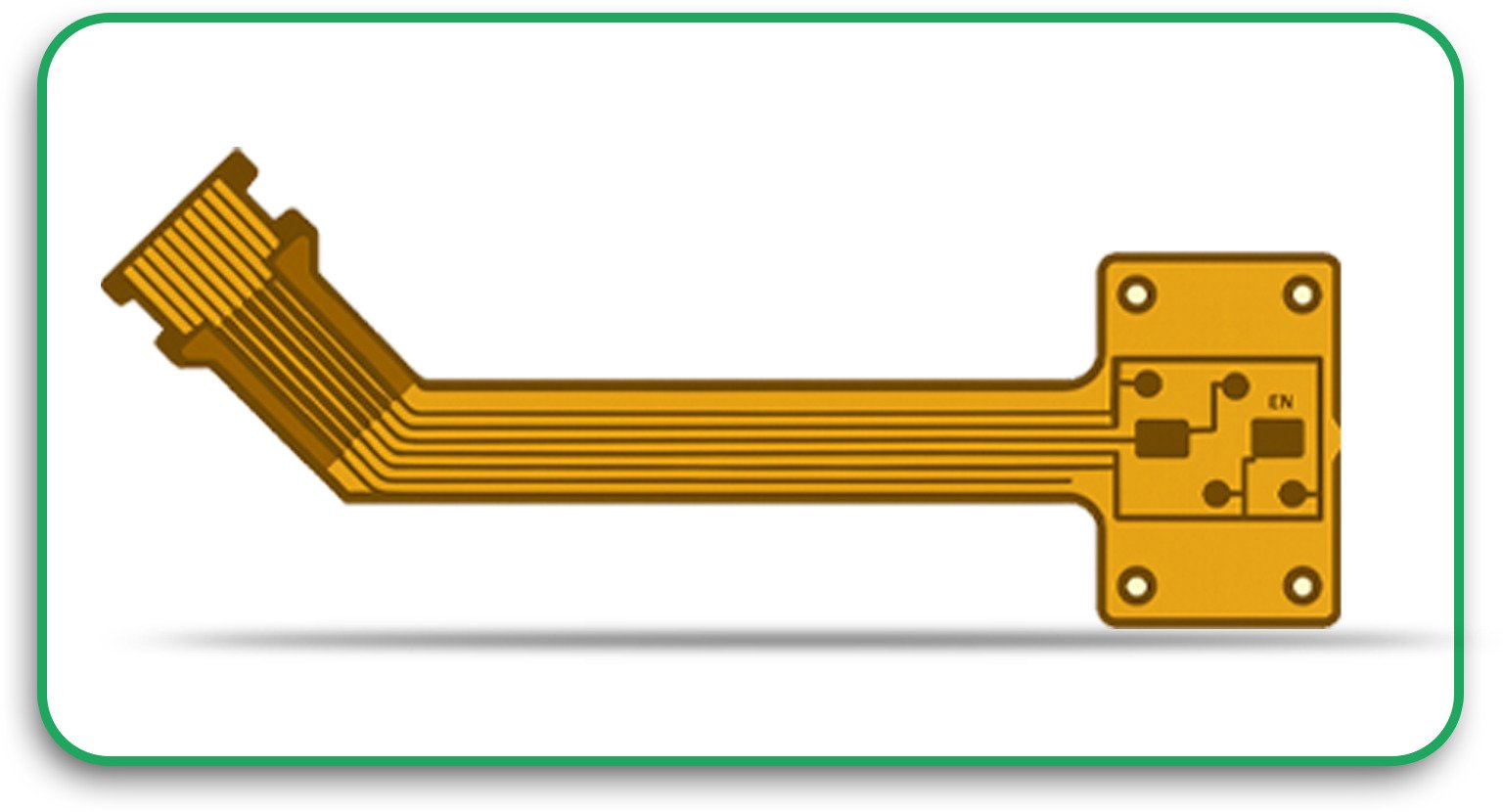
As the name implies, a flexible PCB (flexible printed circuit board) is a printed circuit board made of thin, pliable polyimide materials that allow the board to bend and take on different shapes. These PCBs are applicable in scenarios where the space available is small or when the circuitry needs to be in motion.

flex board

Benefits of Flexible PCBs

Light and Compact: The structure of flexible PCBs makes them perfect for portable and wearable electronic devices.

Toughness in Active Situations: They can also endure bending, vibrations, and motion without being damaged.

Reduced Circuit Complexity: Simplifies circuit design as fewer connectors and cables eliminate points of failure and increase reliability.

Enhanced Heat Dissipation: Flexible PCBs have improved dimensional tolerance and expansion efficiency compared to rigid PCBs.

Hurdles of Flexible PCBs

Increased Cost of Production: The average rigid PCB’s expense is greatly increased due to the costs of specialized materials and the manufacturing processes involved.

Difficult assembly: The assembly of flexible PCBs is challenging and should be done with extreme care.

Limited Load-Bearing Capacity: Unlike PCBs, flexible ones cannot support substantial weights.

Deciding Rigid Over Flexible PCBs:

It is important to understand the scope of the design or the application as it determines the type of PCBs to use. Consider the following points:

  1. Size and shape of the device

A rigid PCB is more suitable if your device has a simple shape and a flat, erect outline.

For designs with circular or folding parts, a flexible PCB is most appropriate.

  1. Durability and surroundings

Flexible PCBs are ideal when it comes to high-motion or vibration environments like the automotive and medical fields.

Rigid PCBs are highly durable and perfect for static environments like desktop systems or industrial machines.

  1. Cost of production

If budget is a restraining factor, then rigid PCBs are the most affordable.

Flexible PCBs are a better spend where cost does not matter, saving space and enhancing performance.

  1. Load of components and interconnects

When heavy components are a necessity in design, structural support is provided best by Rigid PCBs.

Flexible PCBs are an improvement over the design and provide reliability with minimal connectors and wires.

Flex vs. Rigid PCBs: Key Differences

Feature Rigid PCB Flexible PCB
Structure Solid and inflexible Bendable and adaptable
Material Fiberglass (FR4) Polyimide or flexible plastic
Durability High in static environments High in dynamic environments
Space Efficiency Requires more space Saves space with flexible designs
Manufacturing Cost Lower Higher due to advanced processes
Application Computers, industrial equipment Wearables, medical devices, automotive

Expert Insights

In the past, PCBs were rigid and made of materials like fibreglass that supported the mechanical soldering of components but didn’t allow for much flexibility. With the shift in consumer preferences toward devices that are smaller, lighter, and more compact, the introduction of flexible and rigid-flex PCBs has transformed electronic design.

Manufacturers will be familiar with flexible PCBs; as the name implies, these are designed to bend and twist, allowing for the adaptation of electronics to various shapes and sizes. In comparison, rigid-flex PCBs combine rigid and bendable parts, providing the user with the best of both worlds by offering the structural support common with traditional PCBs as well as the pliability of bendable circuits. In several areas, these innovations are fostering new developments and increasingly so in the next few years, even more so.

The combination of rigid and flexible elements in rigid-flex PCBs allows for both the rigidity necessary for the stable placement of components and the flexibility required for active and versatile layouts. This is essential in fields such as electronics for aerospace and medical devices, where electronic components must function in severe conditions and unconventional structures. Economically, rigid-flex PCBs can eliminate the need for connectors and cables, resulting in reduced overall design complexity, increased reliability, and lower production costs.

Conclusion

Both rigid and flexible PCBs have unique advantages and cater to specific needs. While rigid PCBs are cost-effective and allow stable, dense component placements, flexible PCBs are adaptive, durable, and save space.

A careful analysis of the advantages and disadvantages of these two technologies allows PCB manufacturers and electronics engineers to make optimal design choices during PCB production. Progress in technology will allow multilayer PCBs and rigid-flex designs to remain at the forefront of developing next-generation, high-performance, innovative electronic products.

If you are wondering how to find the best PCB solution for your project, seeking direction from a professional circuit board assembly provider is the surest way to guarantee optimal performance while ensuring reliability and cost efficiency.

Telecommunication PCB Manufacturing

Telecommunication PCB Manufacturing: Materials and Techniques

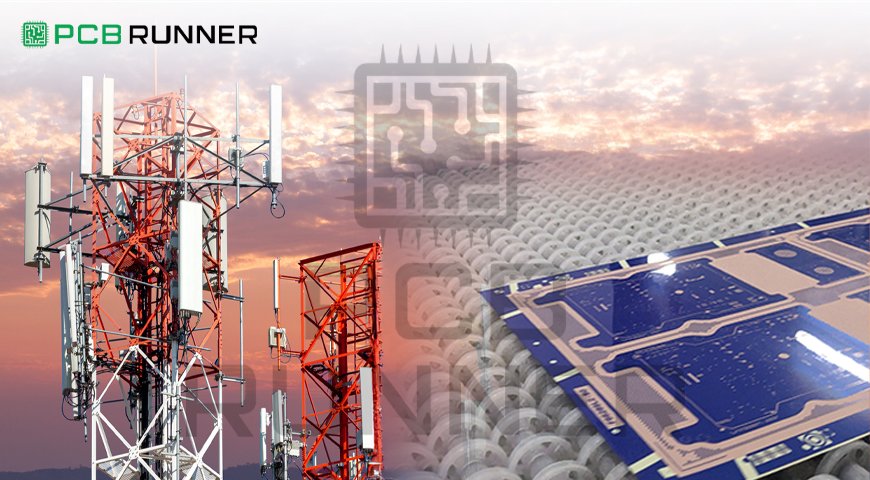
The constant evolution of telecommunication systems has extended to mobile networks, the Internet, and even advanced security systems. At its core, a custom printed circuit board (PCB) is developed to underpin the technology, thus forming the backbone of robust, seamless communication.

This blog will discuss the crucial materials and practices involved in telecommunication PCB manufacturing and how technological innovations have made it possible to have smaller, more powerful, and incredibly durable circuit boards.

Telecommunications Custom Printed Circuit Boards Importance

Telecommunication devices are subjected to so many conditions that their environment is often described as hostile. From wireless networks to satellite communication to broadband equipment, the PCBs must always be dependable and durable.

Some of the main functions of PCBs in telecommunication applications include but are not limited to:

  • Powering the base stations, network antennas, and servers.
  • Transmission and the reception of signals.
  • Processing large amounts of data in a short term.
  • Because PCBs are sensitive, great care must be taken to ensure their resistance to high frequencies, extreme temperatures, and environmental stress.

Expert Insight

To meet the increasing pressure for improved efficiency with electronic devices, the evolution of materials PCB manufacturing is changing rapidly. The industry standard material FR4 is being supplemented, and in some cases even replaced, by advanced materials like polyimide and ceramic. These materials are able to withstand the high-performance needs of modern applications because of their superior thermal management, flexibility, and durability. 

Various industries, such as high-performance computing and telecommunications, have now started to depend on these materials to ensure reliable performance at ever-increasing levels of efficiency and speed requirements.

The materials that define the PCBs used in telecommunication devices require careful selection to achieve performance and durability.

FR4 (Flame Retardant 4)

This material probably takes first place in the world of PCB materials. The advantages of FR4 include:

  • Adequate structural integrity.
  • Ability to sustain high temperatures.
  • Affordability.
  • FR4 comes short when used for high-frequency applications due to its limited electrical properties.

Rogers Material

Telecommunication systems that require high signal transmission need advanced materials that have high-frequency laminates, Rogers material offers exactly that. These laminates provide:

  • Outstanding dielectric characteristics.
  • Appropriate levels of signal attenuation.
  • Enhanced thermal management.

Metal-Core PCBs (MCPCBs)

MCPCBs are perfect for applications needing exceptional heat dissipation as they incorporate a metal core (generally aluminum) which helps with the thermal management of the process.

Flexible and Rigid-Flex Materials

Due to their:

  • Space savings,
  • Ability to bend and fit complex designs,
  • Flexible and rigid-flex PCBs are becoming popular in compact telecommunication equipment.
  • Techniques in Telecommunication PCB Manufacturing

Manufacturers take precise measures to ensure reliability and efficiency while building PCBs for telecommunication; these include:

Surface Mount Technology (SMT)

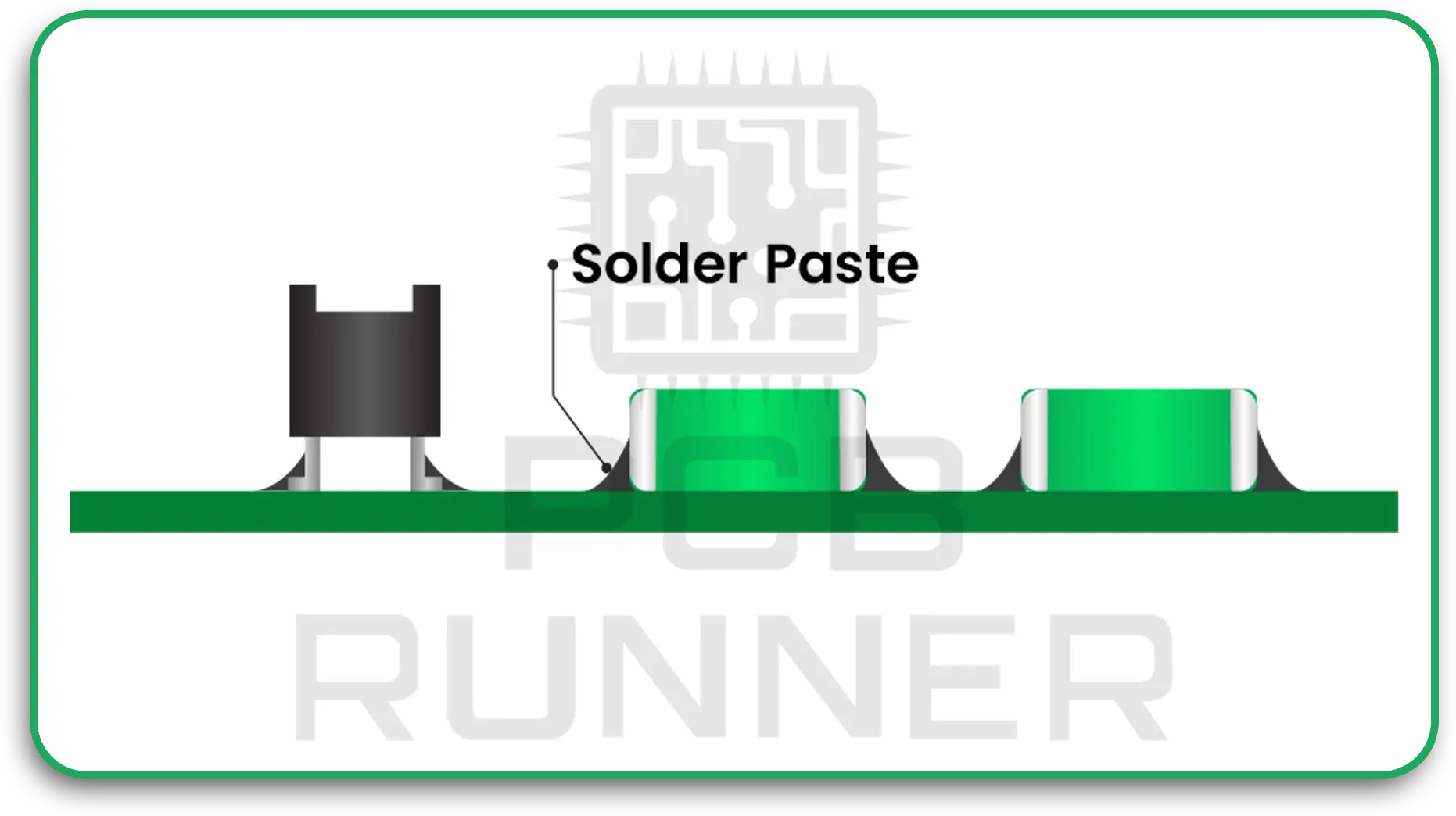
With SMT, components can be mounted directly on the surface of the PCB, allowing for smaller, more compact designs.

SMT

Through-Hole Technology (THT)

This technique includes inserting the component’s leads through drilled holes in the PCB. Although THT is less common among current telecommunications devices, it is still utilized for specific components that need strong mechanical connections.

THT

Multilayer PCB Fabrication

To accommodate routing as well as high-frequency signals, telecommunications PCBs often need multiple layers. Multilayer PCBs are helpful in telecommunication PCB applications due to:

  • The greater operational Capability.
  • The reduction of electromagnetic interference (EMI).

High-Density Interconnect (HDI) Technology

Modern telecommunications devices need HI PCBs because they allow for the following:

  • Miniaturization of electronic components.
  • Improved speed of signal transmission.

Controlled Impedance Techniques

Telecommunication requires efficient signal integrity maintenance. This can be achieved by utilizing controlled impedance techniques, which limit communication interference.

Best Practices for Manufacturing Telecommunication PCBs

For optimal results, suppliers must comply with industry standards: Best Practices for Manufacturing Telecommunication PCBs

  • Design for Manufacturing: The method involves altering a PCB structure for enhanced efficiency during production.
  • Thermal Management: It includes the employment of plastics which have a high-temperature resilience coupled with heat-dissipating metal cores.
  • Signal Integrity Testing: Evaluation of all forms of signals for effectiveness.
  • Environmental Testing: The board’s functionality is determined by its behaviour in extreme conditions.

Why Choose PCB Runners for Telecommunication PCBs?

For over a decade, PCB Runners have also been known for manufacturing custom-printed circuit boards and PCB Runners for Telecommunication PCBs. The following specifics set us apart:

  • Advanced Technology: Our equipment for production is highly sophisticated which allows us to make products with high precision.
  • Material Expertise: We have experts who help the client select the right materials appropriate for their needs.
  • End-to-End Solutions: We offer services throughout the product’s lifecycle, such as design, programming, and assembly.
  • Quality Assurance: All the PCBs are subjected to multiple tests to confirm acceptance of the defined industrial requirements.

Supporting the ever-changing demands of the telecommunication industry ranges from innovation to dependability, which is something we at PCB Runners focus on.

Conclusion

To incorporate high-performing PCBs within devices and networks, one must pay attention to details such as materials and advanced manufacturing techniques.

With the help of experts such as PCB Runners, companies can obtain custom PCBs that can withstand the challenges of telecommunication applications. Call us to learn more details about your upcoming project and see how we can assist you regarding quality and service.

FAQs

Q1: What is a telecommunication PCB?

A telecommunication PCB is a PCB used for communication devices such as routers, antennas, and base stations.

Q2: What materials are commonly used in telecommunication PCBs?

Composites with electrical and thermal properties, such as FR4 metal laminate and RogeRs laminates with a metal core, are popular.

Q3: Why is thermal management important in telecommunication PCBs?

Telecommunication devices produce excessive heat. Thermal management is very important to prevent overheating and ensure proper function.

Q4: What is controlled impedance in telecommunication PCBs?

Controlled Impedance is the strand of controlling the resistance and reactance within PCB traces to ensure signal integrity.

Q5: How do PCB Runners support telecommunication PCB manufacturing?

PCB Runners provide telecommunications PCBs with the latest technology and qualified personnel to make the necessary custom PCBs for telecommunication usage.